
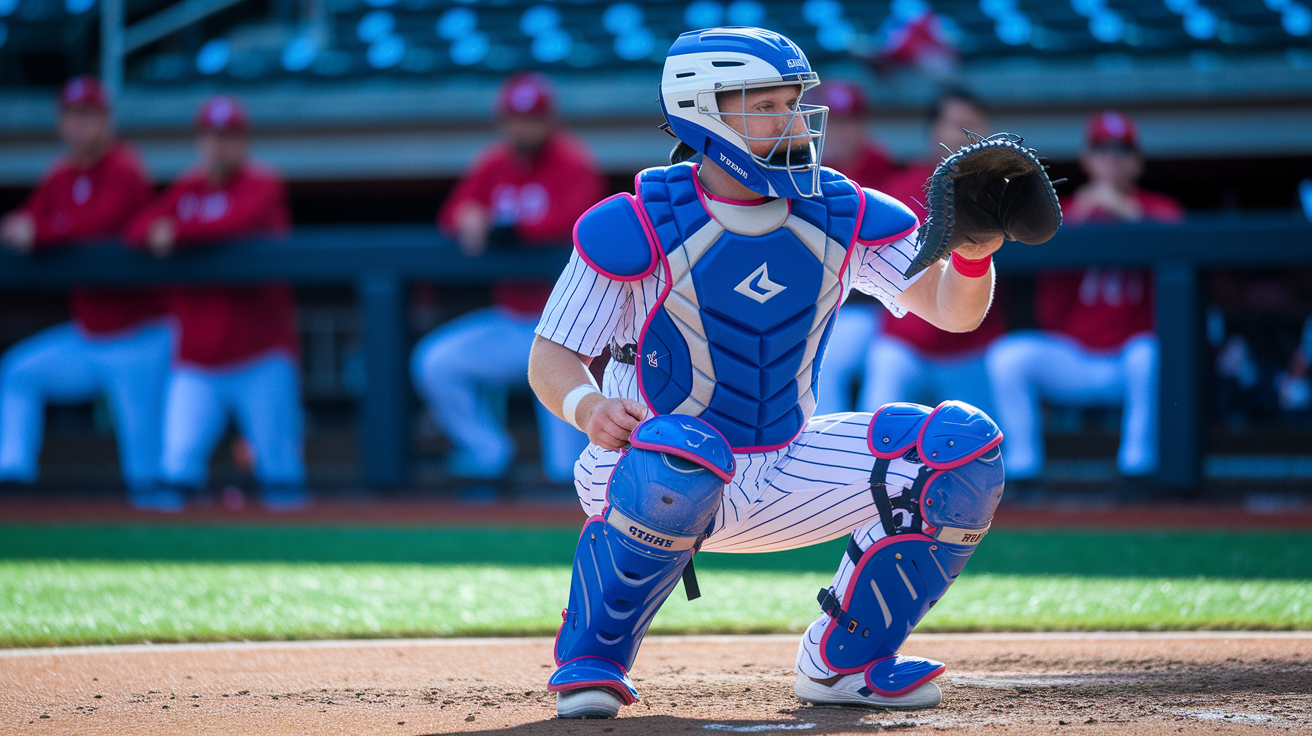

Do teams now value a glove more than a bat at catcher?
Veteran catchers free agency whispers say yes, the 2025–26 market is full of defense-first vets who can stop runs, manage staffs, and steady clubhouses.
Offense is often secondary for contenders and rebuilding teams looking for mentorship and trust behind the plate.
This post sorts the likely defensive specialists available, lays out the six defensive pillars teams care about, and names the veterans most often linked in rumor threads so you can see who fits and why.
Defensive-First Veteran Catchers Who Fit the 2025–26 Free Agency Rumor Landscape
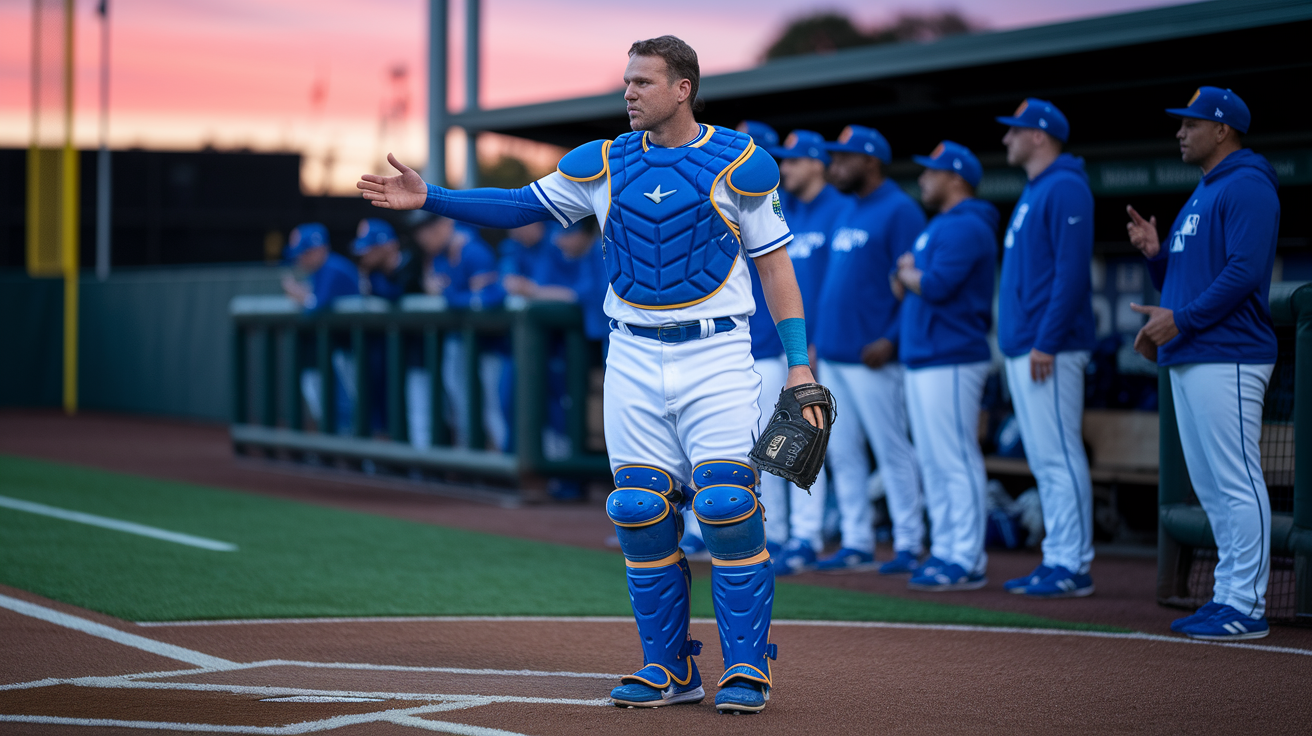
Teams looking for defense-first catchers in free agency care about run prevention, staff management, and clubhouse stability. Offense? That’s secondary. The 2025–26 class has several veterans with proven defensive reputations who can fill backup or mentorship roles without breaking the bank. Most of these guys bring clear track records in pitch-calling, throwing out runners, and handling pitching staffs, skills that matter when you’re a contender building an October roster or a rebuilder protecting young arms.
The names popping up most often right now include Martín Maldonado, Austin Hedges, Victor Caratini, James McCann, Gary Sánchez, Luke Maile, and Christian Vázquez. Each brings a different mix of defensive tools, durability, and recent performance, but they all share the profile teams want when offense takes a backseat to game management and keeping runs off the board. Maldonado’s pitch-calling pedigree and championship experience make him attractive to contenders, while Hedges remains the go-to option for teams prioritizing elite framing despite minimal bat contribution. “Austin Hedges may be the worst hitter in MLB, but his framing and blocking keep him employed at $4 million per year.”
Teams evaluating these veterans focus on six defensive pillars:
Pop time: Elite catchers clock around 1.86 seconds. Anything under 1.95 seconds is considered above average.
Caught-stealing percentage: League average hovers near 25–27%. Targets who consistently hit 30% or better provide measurable baserunning control.
Framing runs: Strong framers generate +5 to +20 runs saved per season, translating to roughly 0.5 to 1.5 WAR.
Blocking and passed balls: Reliable starters allow 0–3 passed balls per year. Anything above 8 signals concern.
Game-calling rapport: Veterans like McCann and Maldonado excel at sequencing and managing bullpens in high-leverage moments.
Leadership and mentorship: Clubhouse presence matters, especially for teams with rookie-heavy rotations.
Contract expectations for these veterans typically range from $1–4 million annually for pure backups to $3–8 million for defense-first starters on one or two year terms. Teams willing to move early can lock in value before spring training depth battles push prices higher, but plenty of clubs wait until late February or March to fill gaps with minor-league invites that convert to MLB deals after injuries or prospect setbacks.
Evaluating Veteran Catchers in Free Agency Through Key Defensive Metrics
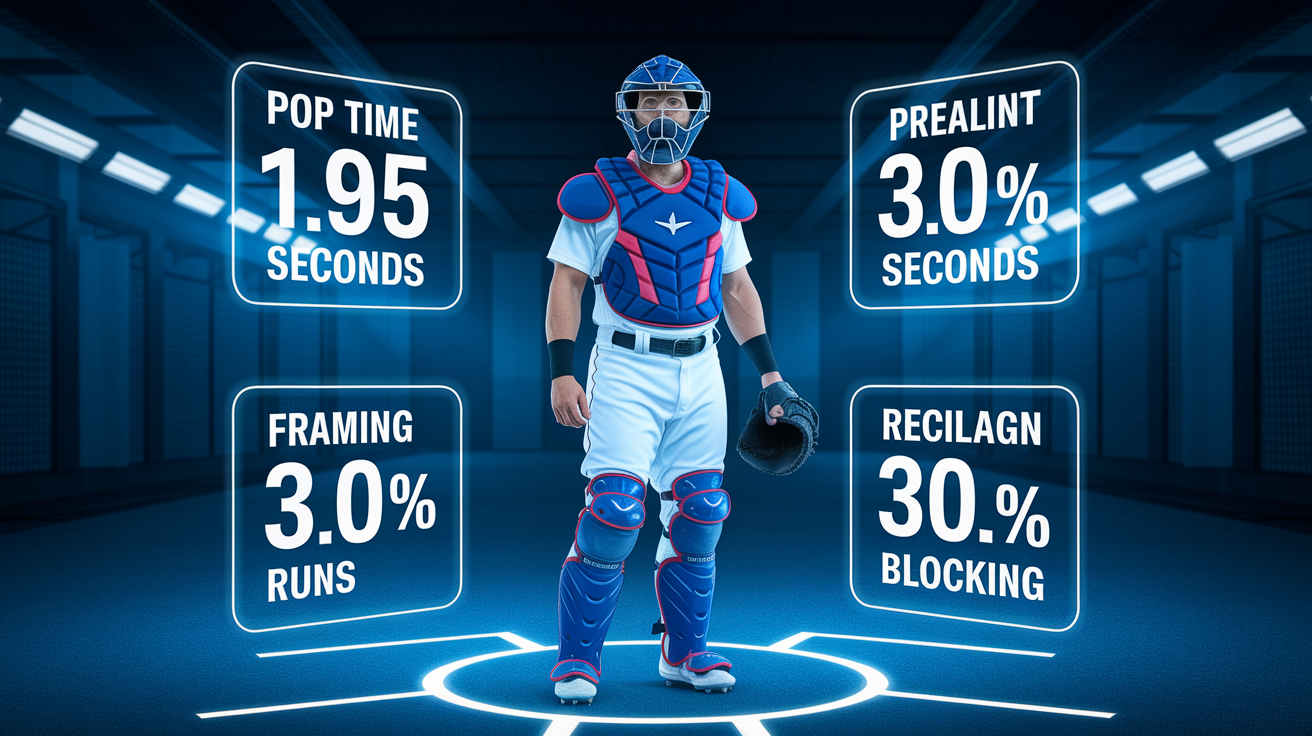
Defensive metrics provide the foundation for how teams assess catcher value beyond the bat. Framing, blocking, and throwing accuracy each contribute measurable run prevention. Clubs increasingly use Statcast data (pop time, exchange speed, arm strength) to separate reliable options from aging backups whose tools have eroded. A veteran who still delivers elite pop times and strong caught-stealing rates can justify a roster spot even with a sub-.200 batting average, because controlling the opponent’s running game and consistently earning strike calls translates directly to fewer runs allowed.
Age and durability trends affect each skill differently. Pop time often slows by 0.05 to 0.10 seconds per season as catchers age past 33. That can turn a former elite thrower into a league-average arm within two years. Blocking ability tends to hold longer, though knee and back injuries accelerate decline. Framing skills also degrade with age, especially when catchers lose flexibility in their receiving stance or struggle to stay low on pitches at the edges of the zone. Teams weigh recent injury history (missed time due to knee sprains, shoulder issues, or back problems) against defensive output to determine whether a veteran can still handle 60–80 starts or is better suited to a third-catcher mentorship role.
| Metric | What It Measures | Good Benchmark | Example From Market |
|---|---|---|---|
| Pop Time | Speed from catch to throw on steal attempts | Under 1.95 seconds | J.T. Realmuto at 1.86 seconds |
| Caught-Stealing % | Rate at which catcher throws out runners | 30% or higher | Elias Díaz with strong arm reputation |
| Framing Runs | Run value from earning extra strikes via framing | +5 to +20 runs saved per season | Austin Hedges historically elite |
| Passed Balls | Number of pitches that get past catcher per season | 0–3 per year for starters | Luke Maile with strong blocking reputation |
Free Agency Rumors Surrounding Top Defensive-Focused Veteran Options

Current whispers around veteran catchers center on teams seeking reliable game-managers at minimal cost or short-term commitments. Several names recur across multiple rumor threads because they fit the profile clubs value when constructing catching depth: proven pitch-callers, trusted defenders, and veterans who can mentor younger catchers or handle a pitching staff during a playoff push. The rumor mill reflects a market where teams understand that elite offense from the position is rare and expensive, so they lean into defense, rapport, and leadership as the primary drivers of value.
Maldonado, Hedges, Caratini, Maile, Vázquez, McCann, and Díaz appear frequently in speculation because each brings a clear defensive identity. Maldonado’s pitch-calling and championship pedigree make him attractive to contenders looking for October reliability. Hedges remains the go-to for teams willing to sacrifice offense entirely for top-tier framing and blocking. Caratini offers solid receiving and blocking but comes with a major weakness. Opponents succeeded on 57 of 64 stolen-base attempts (89% success rate) due to his below-average arm. Maile and Vázquez carry strong defensive reputations despite limited recent playing time, while McCann’s history with pitching staffs and his June 22 addition to Arizona (.260/.324/.431 across 42 games) suggest he can still deliver value in a backup role. Díaz’s excellent arm strength keeps him relevant despite offensive decline.
Organizational needs shape which rumors gain traction. Teams with young rotations (especially rebuilders protecting top prospects) prioritize veterans who can handle game-calling duties and manage bullpen sequences. Contenders with struggling defenses or clubhouse leadership gaps often target catchers with winning pedigrees or established rapport-building skills. The fit matters more than raw talent at this stage of these players’ careers.
The Chicago White Sox have been connected to several of these names as they look to avoid repeating last offseason’s mistake (a veteran catcher who hit under .100 for roughly three and a half months). According to this report, the Sox front office expressed interest in October in adding a veteran catcher to protect 21-year-old top-100 prospect Edgar Quero’s development timeline and provide mentorship alongside established MLB catcher Korey Lee. Targets like McCann, who previously played for the Sox and earned an All-Star nod in 2019, or veterans with ties to the new manager’s 2023 World Series-winning Rangers staff, fit the organizational preference for importing winning culture through proven connections.
Team Fits for Veteran Defensive Catchers Across Contenders and Rebuilders
Contenders value defensive-first catchers because run prevention and game-calling become magnified in October. A veteran who can handle a pitching staff under postseason pressure, control the running game, and communicate effectively with relievers in high-leverage situations provides measurable value even if he contributes little offensively. Teams eyeing playoff runs often add a defensive specialist in late winter or spring to ensure they have reliable depth behind the plate when rotations tighten and bullpen management becomes the difference between advancing and elimination.
Rebuilding teams pursue cheap, durable mentors who can absorb innings, teach younger catchers, and stabilize a pitching staff while top prospects develop at Triple-A. These clubs typically prefer one-year deals or minor-league invites with opt-outs, allowing them to evaluate internal options while keeping a veteran safety net. The focus shifts from winning now to protecting young arms and building organizational infrastructure, which makes low-cost defensive specialists attractive even if their offensive contribution is minimal.
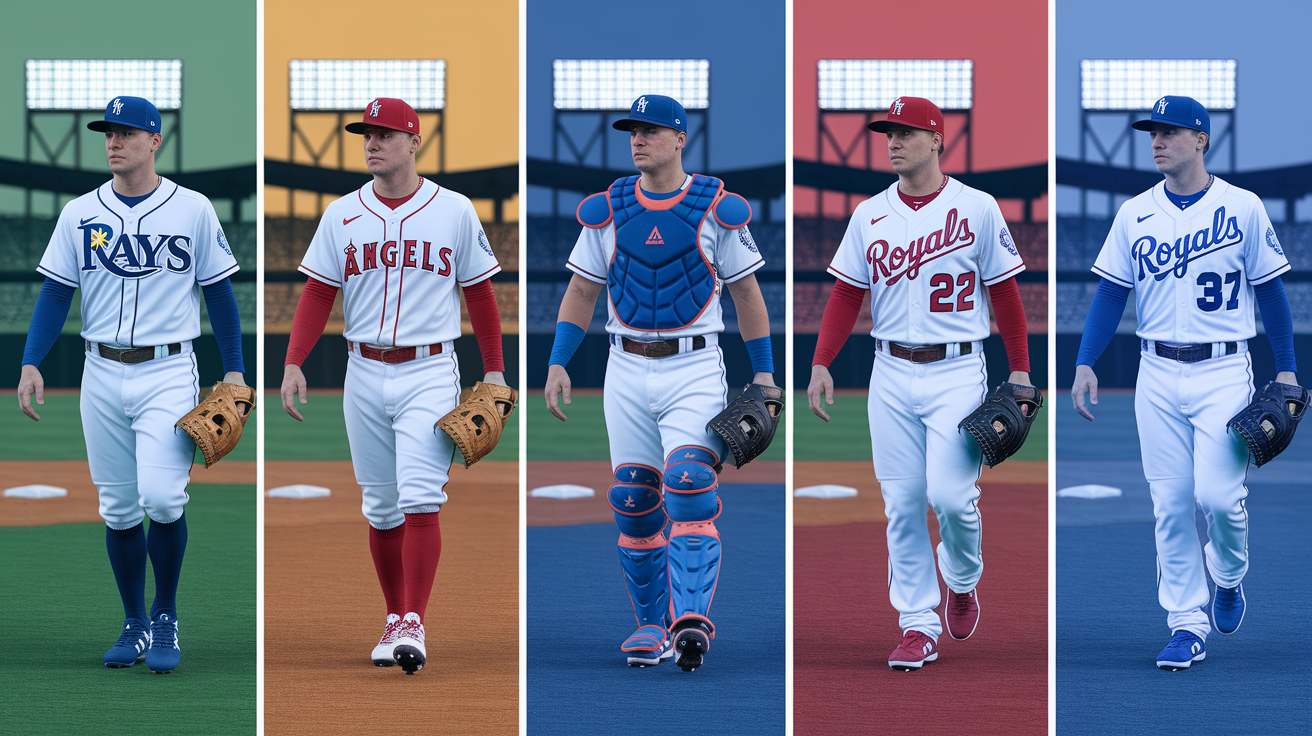
Five teams with clear defensive-catcher needs include:
Tampa Bay Rays: Prioritize run prevention and analytical defense. They’ve got a consistent history of signing undervalued defensive catchers on short-term deals.
San Diego Padres: Need depth behind the plate and value strong arms to control opponent running games in a pitching-heavy division.
Los Angeles Angels: Seeking veteran stability to support a pitching staff in transition. They prefer catchers who can mentor younger arms.
Washington Nationals: Rebuilding with young pitchers. They’re open to low-cost veterans who can handle game-calling duties while prospects develop.
Kansas City Royals: Verbally committed to Salvador Pérez but may seek a defensive-minded backup to preserve his workload and provide insurance.
Depth chart construction affects timing because teams often wait until spring training to finalize catching roles. Clubs with unproven prospects or injury-prone starters tend to move earlier, locking in veterans before competition drives prices up. Teams confident in their internal options delay, waiting for post-February cuts or minor-league invites that convert to MLB deals once depth concerns emerge.
Contract Predictions for Defensive-First Veteran Free Agents
Teams lean toward one-year restraints with aging catchers because defensive skills erode unpredictably and injury risk rises after age 33. A veteran who delivered strong framing and throwing metrics at 32 may lose pop-time speed, blocking consistency, or durability by 34. That makes multi-year commitments risky for clubs unwilling to absorb dead money. Short-term deals also preserve roster flexibility, allowing teams to pivot if a prospect forces his way onto the roster mid-season or if the veteran’s performance declines faster than anticipated.
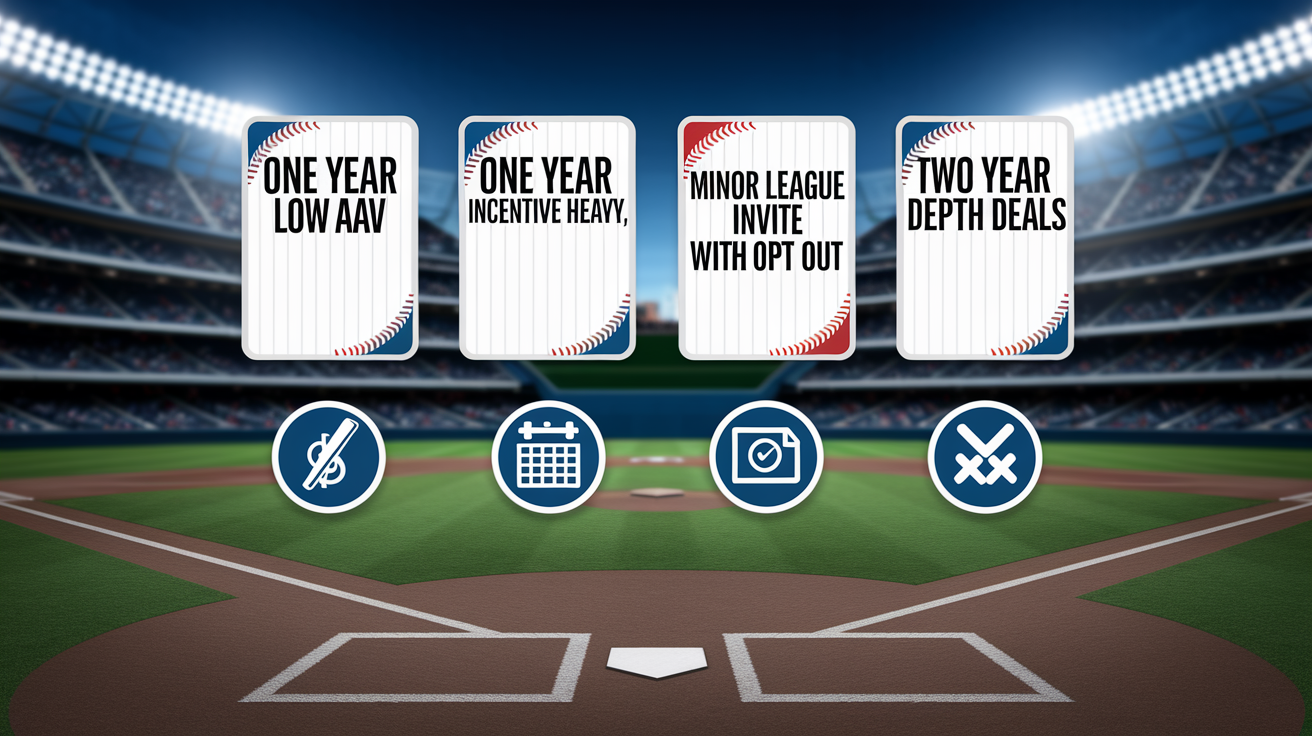
Four contract archetypes dominate the defensive-first catcher market:
One-year low AAV: Typically $1–3 million for pure backups or third catchers. Minimal guarantees with playing-time incentives.
One-year incentive-heavy: $3–6 million base with bonuses tied to games caught, caught-stealing percentage, or roster days. Used for veterans who can still start 60–80 games.
Minor-league invite with opt-out: Non-roster invitation to spring training with an opt-out clause tied to mid-March. Converts to MLB deal if the veteran makes the roster, otherwise he can test the market or accept a Triple-A assignment.
Two-year depth deals: $4–12 million total for veterans who provide continuity and mentorship. Rare for pure defensive catchers unless they carry exceptional clubhouse value or strong recent performance.
Injury trends and defensive erosion guide AAV. Veterans coming off knee sprains, back issues, or shoulder surgeries typically see their market value drop by 30–50% compared to their prior contracts. Pop-time slowdowns or rising passed-ball totals signal declining defensive value, pushing clubs toward the low end of one-year ranges or minor-league invites. Teams incorporate medical evaluations and recent performance data to determine whether a veteran justifies guaranteed money or represents a high-risk gamble better suited to a non-roster spring audition.
Injury and Durability Red Flags for Veteran Catchers in Free Agency

Durability matters more for defensive-first catchers than for position players with stronger offensive profiles because their primary value derives from consistent availability behind the plate. A backup catcher who misses 40 games due to recurring knee issues or a starter who lands on the injured list multiple times during the season loses the ability to build pitcher rapport, manage bullpen sequences, and provide the stability teams pay for when they prioritize defense over offense. Front offices weigh injury history heavily when evaluating veterans, knowing that defensive tools (especially throwing accuracy and blocking ability) deteriorate faster after significant lower-body injuries.
Recent examples highlight how injuries reshape market value. J.T. Realmuto missed five weeks in 2024 due to a knee sprain, raising questions about his durability entering age 35 despite elite defensive metrics. Tom Murphy lost an entire season to a misdiagnosed herniated disc, leading his team to pay a $250,000 buyout rather than pick up his option. Gary Sánchez missed the second half of his most recent season with a right knee sprain after signing an $8.5 million deal. That makes it unlikely he commands similar money in the next cycle. Each case demonstrates how even one significant injury can crater a veteran’s earning potential and push teams toward shorter commitments or non-roster invites.
Teams incorporate medical evaluations into contract offers by requiring physical exams before finalizing deals, structuring guarantees with injury-protection clauses, or inserting performance-based escalators tied to games caught. A veteran with a history of knee or shoulder problems may receive a one-year offer at the low end of his market range with bonuses for staying healthy. A catcher with clean recent medicals can command higher AAV or an extra year. The evaluation process includes reviewing pop-time trends (slowing by 0.05 to 0.10 seconds year-over-year signals arm or recovery concerns) and assessing whether the player can still handle the physical demands of catching 60-plus games without breaking down mid-season.
How Veteran Defensive Catchers Influence Pitching Staff Performance
The relationship between catcher defense and pitcher performance centers on framing, game-calling, and sequencing. A veteran who consistently earns strike calls on borderline pitches reduces pitcher walk rates, lowers opponent on-base percentages, and helps starters work deeper into games. Elite framers historically generate 0.5 to 1.5 WAR through framing alone. When combined with strong game-calling (knowing when to call for a changeup in a fastball count or how to manage a reliever’s pitch mix), the cumulative impact can produce measurable ERA reductions. Studies suggest defensive-first catchers can create 0.05 to 0.30 ERA improvements over replacement-level options, depending on staff composition and trust between pitcher and catcher.
Elite defenders like J.T. Realmuto and Martín Maldonado provide quantifiable benefits beyond framing. According to MLB Trade Rumors’ free-agent preview, Realmuto led the majors with 132 starts and 1,151 1/3 innings caught, posted a 1.86-second average pop time, and threw out nearly 30% of attempted basestealers compared to a league average around 22%. That kind of throwing consistency forces opponents to reconsider running, which limits free bases and keeps pitchers in favorable counts. Maldonado’s reputation as a pitch-caller and game-manager helped championship-caliber staffs perform in high-leverage moments, demonstrating that defensive value extends beyond individual metrics into team-wide run prevention.
Mentorship value becomes especially important for teams with young arms. Veterans who have caught hundreds of games teach rookie pitchers how to work counts, manage adrenaline in tight situations, and develop secondary pitches. James McCann’s history with Lucas Giolito during the White Sox rebuild exemplifies this. His rapport helped stabilize a young rotation and contributed to Giolito’s breakout. Carson Kelly’s defensive strengths (elite framing, strong arm) combined with solid game-calling make him attractive to clubs developing pitching prospects who need a steady presence behind the plate.
Defensive leadership ties directly to bullpen management and playoff readiness. A veteran catcher who understands how to sequence relievers, when to challenge umpires on borderline calls, and how to calm a pitcher after a blown call or defensive miscue becomes invaluable in October. Teams willing to sacrifice offensive production for these intangibles often add a defensive-first veteran late in the offseason specifically to ensure their pitching staff has a trusted game-manager when every pitch carries elimination weight.
Identifying Undervalued Defensive-First Catchers in the Free-Agent Market

Undervalued options often include veterans whose limited offensive production masks strong defensive instincts, pitch-calling ability, and durability. Luke Maile, who posted .244/.346/.356 over 54 plate appearances with Kansas City in 2025 but carries a career .209/.277/.320 line, exemplifies the profile overlooked by major rumor cycles despite a strong defensive reputation. Austin Barnes, Sandy León, Tomás Nido, and Jacob Stallings fit similar molds. They’re reliable game-managers and solid defenders who can handle backup duties or mentorship roles at minimal cost. These veterans rarely generate headlines but often land jobs in spring training after injuries or prospect setbacks create unexpected roster openings.
| Player | Key Defensive Strength | Typical Contract | Fit Type |
|---|---|---|---|
| Luke Maile | Strong blocking, steady game-calling | Minor-league invite or 1-year, $1–2M | Veteran backup, third catcher |
| Austin Barnes | Reliable receiver, clubhouse presence | Minor-league invite or 1-year, $1M | Depth/mentor role |
| Sandy León | Trusted veteran presence, pitch-calling | Minor-league invite | Third catcher, spring competition |
| Tomás Nido | Solid game manager, consistent blocking | 1-year, $1–2M | Backup, insurance depth |
| Jacob Stallings | Strong pitch-framing history | 1-year, $1–3M | Defensive backup, veteran mentor |
Teams choose these options late in the offseason because they provide low-risk, high-floor insurance at positions where depth is critical. A club that loses a catcher to injury in March or sees a top prospect struggle in spring can add one of these veterans on short notice without sacrificing significant payroll or roster flexibility. The minor-league invite structure allows teams to evaluate multiple candidates in camp, then convert the best fit to an MLB deal while releasing the others with minimal financial consequence. For veterans, accepting these invites represents a path back to the majors when guaranteed offers dry up, and their defensive reputations often earn them spots once teams exhaust internal options.
Spring Training and Late-Offseason Paths for Veteran Defensive Catcher Signings
Many veteran catchers land jobs during spring training because injuries, depth concerns, or poor prospect performance create unexpected roster needs after most major deals are signed. Teams enter camp believing their internal options will suffice, then discover a young catcher isn’t ready for MLB responsibility, a projected starter suffers a setback, or an incumbent veteran loses velocity on his throws or struggles with blocking. These late-developing scenarios open the door for veterans who signed minor-league invites or remained unsigned through February, betting that spring attrition would create opportunity.
Minor-league invites often include opt-out clauses tied to mid-March decision points, allowing veterans to test the market again if they don’t make the Opening Day roster. A catcher who signs a non-roster deal in early February and performs well in Cactus League games can force a team’s hand, earning an MLB contract or triggering his opt-out to pursue guaranteed money elsewhere. Teams benefit by evaluating multiple candidates in live-game settings without committing roster spots or guaranteed salaries until they’re confident in their choice. This structure dominates the defensive-first catcher market because clubs understand that assessing game-calling, pitcher rapport, and blocking ability requires more than workouts. It requires spring reps against live hitters.
Four common late-offseason catalysts drive veteran signings:
Injuries to projected starters or backups: A sprained knee or shoulder issue in mid-February forces teams to add experienced depth immediately.
Prospect setbacks: A top catching prospect struggles with pitch-framing or can’t handle bullpen sessions effectively, prompting the club to delay his promotion and sign a veteran bridge.
Trade fallout: A club trades away a catcher to clear salary or acquire pitching, creating an unexpected hole that requires a quick veteran addition.
Roster crunch decisions: Teams cut veterans in late March to preserve younger players’ options, then re-sign those same veterans to minor-league deals or bring in different options after clearing roster space.
The “late March veteran addition” trend reflects how teams prefer flexibility over early commitments. A club that waits until the final week of spring training can assess its entire depth chart, evaluate medical reports, and make decisions based on the most current information. Veterans who accept this reality (staying ready, accepting minor-league invites, and trusting their defensive reputations will eventually create opportunity) often end up in MLB roles by Opening Day or shortly after, simply because catching depth is too valuable to leave to untested prospects when veteran alternatives are available at minimal cost.
Final Words
In the thick of free-agent buzz, we laid out the defensive-first catcher landscape, names, defensive benchmarks, and why clubs value glove-first backstops.
We ran through the key metrics, injury red flags, team fits, contract types, and the spring/late-offseason paths that often decide jobs.
If you’re tracking veteran catchers free agency whispers, this should help you spot likely targets and timing. Expect most deals to be short, cautious bets, and that’s good news for teams needing steady defense.
FAQ
Q: What free agents are still unsigned? Who are the best unsigned free agents in the MLB? Who are the remaining free agents?
A: The remaining unsigned free agents include veteran defensive catchers like Martin Maldonado, Austin Hedges, Victor Caratini, James McCann, Gary Sánchez, Luke Maile and Christian Vázquez — many are top unsigned targets.
Q: What are some surprising MLB free agent signings?
A: The surprising MLB free agent signings are often late-spring pickups, minor-league invite converts, or one-year “pillow” deals; past shocks included $8–9M short-term veteran pacts and glove-first catchers landing jobs.