

Could Vancouver really trade Elias Pettersson right now?
It sounds crazy, but insiders say the Canucks have put him on the market and the deadline is looming.
His $11.6 million cap hit and a no-move clause make any deal tricky, and salary retention could be the key.
This story breaks down what teams might offer, which clubs are realistic trade partners, and the package types Vancouver could demand, from win-now swaps to full rebuild returns.
If you want a clear look at what Pettersson could bring back, read on.
Immediate Breakdown of Elias Pettersson Trade Rumors and What Vancouver Could Realistically Receive

Vancouver’s ready to blow things up, and Elias Pettersson just went from untouchable to available. Insiders on a recent Daily Faceoff LIVE segment confirmed what’s been whispered for weeks: the Canucks have told the league everything’s in play. Pettersson’s name is out there. They already shipped Kiefer Sherwood and dealt Quinn Hughes earlier this year, so management’s clearly got the appetite for change. With the trade deadline less than two months out, teams are quietly sizing up whether they can handle Pettersson’s $11.6 million cap hit and what it’ll cost to grab a guy who dropped 102 points at his peak.
The cap number is the sticking point. Teams want Vancouver to retain salary, maybe $2 million to $3 million per season. Vancouver doesn’t want to do that. But if the priority becomes tearing everything down instead of squeezing max value, retention starts looking like a real possibility. Then there’s the no-move clause. Pat Brisson’s gotta coordinate any deal, which narrows the list to places Pettersson will actually approve. Even with those hurdles, a realistic return package is starting to come together based on what comparable star forwards have fetched recently.
What Vancouver gets depends on salary retention, the acquiring team’s asset depth, and whether Pettersson’s seen as a legit No. 1 center or just a high-end second-line piece. Insiders say it’ll be a mix, not one centerpiece.
Core components of a realistic Elias Pettersson return package:
- Top six NHL forward or top four defenseman – Somebody who helps Vancouver stay competitive or rebuild around
- Blue chip prospect – High floor, high ceiling player still on an entry level deal, probably a recent first rounder
- First round pick – Ideally unprotected, likely picking between 10 and 20
- Conditional draft pick – A second rounder that bumps to a first if certain benchmarks hit
- Cap offset contract – A player making $3 million to $5 million with one or two years left, letting Vancouver balance the books
Evaluating Pettersson’s Contract, Cap Hit, and How Salary Retention Shifts Return Value
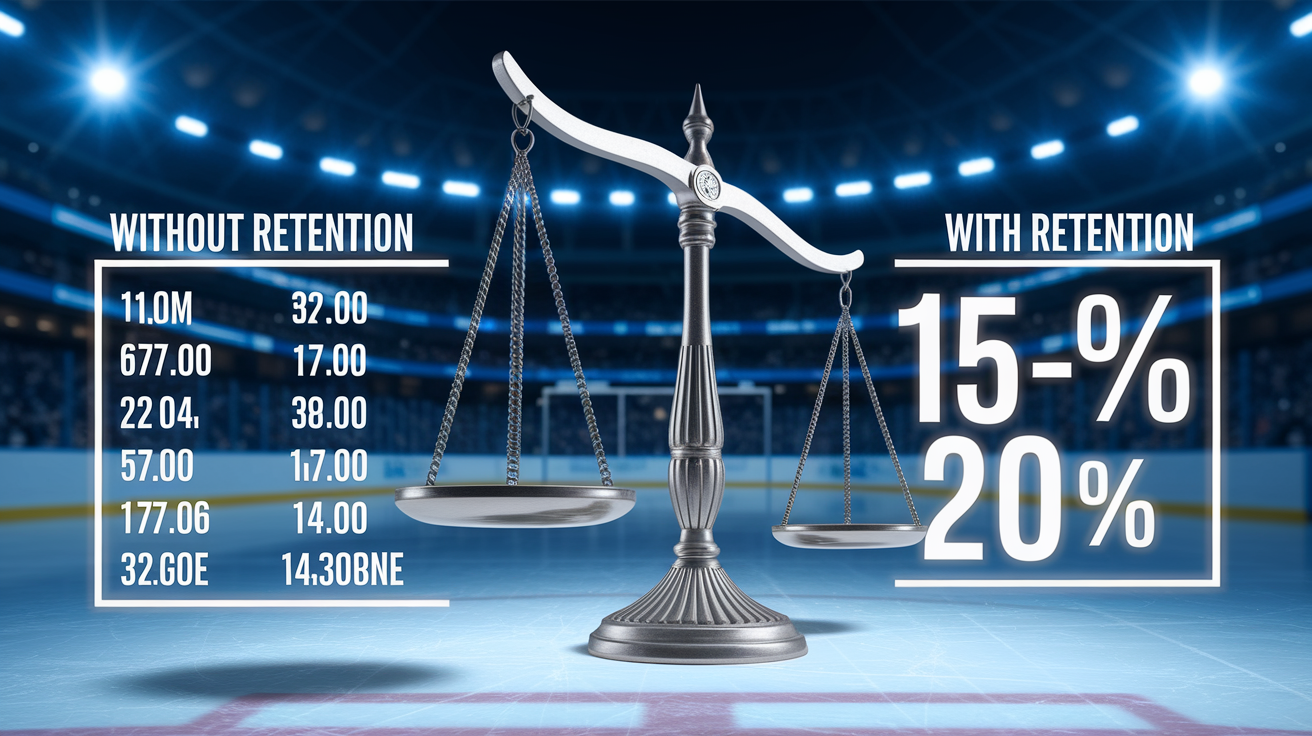
That $11.6 million cap hit is why Pettersson’s trade market isn’t flooded with premium offers. Teams with the cap space usually don’t have the assets. Teams with stacked prospect pools and multiple first rounders are already near the ceiling and can’t fit him without major moves. That creates a narrow overlap of realistic partners, which is why insiders keep asking: will Vancouver retain salary to widen the market.
If Vancouver agrees to retain even 15 to 20 percent, the number of realistic suitors doubles. A $9 million to $10 million charge suddenly fits more competitive rosters without forcing them to gut depth. That flexibility translates directly into better return packages because teams are more willing to part with premium assets when they’re not also sacrificing roster flexibility for years. Vancouver’s reluctant because retention ties up cap space that could go toward future moves. But if the front office is truly committed to tearing it down, short term cap pain matters less than the quality of assets coming back. The no-move clause adds another wrinkle. Pettersson and Brisson control the list of acceptable destinations, which can kill deals even if the compensation works for Vancouver.
| Team Type | Return Value With Retention | Return Value Without Retention |
|---|---|---|
| Cap flexible contender | NHL roster player + blue chip prospect + 1st round pick + conditional 2nd | Mid level prospect + 1st round pick + roster filler |
| Cap strapped playoff team | Top prospect + 1st round pick + cap neutral roster swap | Deal unlikely without significant cap gymnastics |
| Rebuilding team with cap room | Package of multiple prospects + multiple draft picks | Same, but fewer premium pieces due to perception of risk |
Most Likely NHL Trade Partners for an Elias Pettersson Deal

Carolina sits at the top of most insiders’ lists. The Hurricanes have stockpiled draft picks and built one of the deepest prospect pools in the league, giving them flexibility to build a package that checks Vancouver’s boxes without gutting their NHL roster. Carolina’s style, a high tempo system built on puck movement and transition offense, fits Pettersson’s skill set. They’ve been hunting for a true top line center for years. If Carolina parts with a package centered around a first rounder, a blue chip forward prospect, and a young NHL ready player, they’re the front runner.
Detroit makes sense for different reasons. The Red Wings are averaging 3.06 goals per game and rank 18th in the league. That puts them middle of the pack but well behind top offensive teams like Tampa Bay (3.51 goals per game) and Montreal (3.34). Adding Pettersson would immediately upgrade their top six and give them a legitimate second scoring line behind Dylan Larkin. Detroit’s challenge is they also need defensive help, which means they’d likely try to structure a deal that sends a defenseman back to Vancouver. Los Angeles is another frequently mentioned name because they need a long term replacement for Anze Kopitar. Pettersson’s age and skill set align with their competitive window. The Kings have cap flexibility and a strong prospect system, but they’d likely need Vancouver to retain salary to make the money work.
Teams most likely to make a serious offer for Elias Pettersson:
- Carolina Hurricanes – Deep prospect pool, multiple first rounders, stylistic fit, and organizational need for a top line center
- Detroit Red Wings – Scoring need, cap space, and willingness to move defensemen or young forwards in a package deal
- Los Angeles Kings – Long term center need, asset depth, but likely requires salary retention to fit the cap hit
- Nashville Predators – Underperforming offense, cap flexibility, and a front office willing to make aggressive moves to salvage the season
Detailed Breakdown of Possible Return Packages Vancouver Could Demand

Vancouver’s front office made it clear that “everything is on the table,” which signals they’re open to multiple types of return packages depending on direction. If the goal is staying competitive short term, they’ll want NHL ready players who can step into top six or top four roles immediately. A win now package might look like a young top six forward with term left, a defensive prospect close to NHL ready, and a protected first round pick. That keeps Vancouver in playoff contention while still adding future assets. If the priority shifts to a full rebuild, the return skews younger and draft pick heavy. Think a blue chip forward prospect, multiple first rounders spread across two or three years, and a second tier prospect as a throw in.
Balanced packages are the most realistic middle ground. Insiders consistently point to deals that include one NHL roster player earning $3 million to $5 million annually, one high end prospect, and at least one first rounder. The NHL player provides immediate roster value and acts as a cap offset. The prospect represents long term upside. The pick gives Vancouver flexibility to either draft or flip for more assets at a future deadline. Player for player swaps are less likely unless Vancouver identifies a specific roster need, like trading Pettersson for a younger top four defenseman with a similar cap hit and a prospect package attached. Without salary retention, the return becomes muted because acquiring teams will downgrade the quality of prospects and picks they’re willing to include.
The range of realistic return structures depends on whether Vancouver wants immediate help, future upside, or a mix. Here are five hypothetical frameworks based on insider reporting and comparable trades.
- Win now package – Top six forward (age 24 to 27, $4M to $6M cap hit), defensive prospect (first round pedigree, 1 to 2 years from NHL), protected 2025 first rounder, conditional 2026 second rounder
- Rebuild focused package – Blue chip forward prospect (recent top 10 pick), unprotected 2025 first rounder, unprotected 2026 first rounder, mid tier goalie or defensive prospect
- Balanced package – NHL roster forward ($3M to $5M, 2+ years of term), high end defensive prospect, 2025 first rounder (lottery protected), 2026 second rounder
- Player for player centerpiece swap – Young top four defenseman (age 22 to 25, $4M to $6M cap hit), forward prospect (second round upside), 2025 first rounder
- Asset heavy package with retention – Two first rounders (2025 and 2026, both unprotected), blue chip forward prospect, second tier defensive prospect, cap balancing contract ($2M to $3M)
Using Comparable Star Forward Trades to Estimate Pettersson’s Market Value
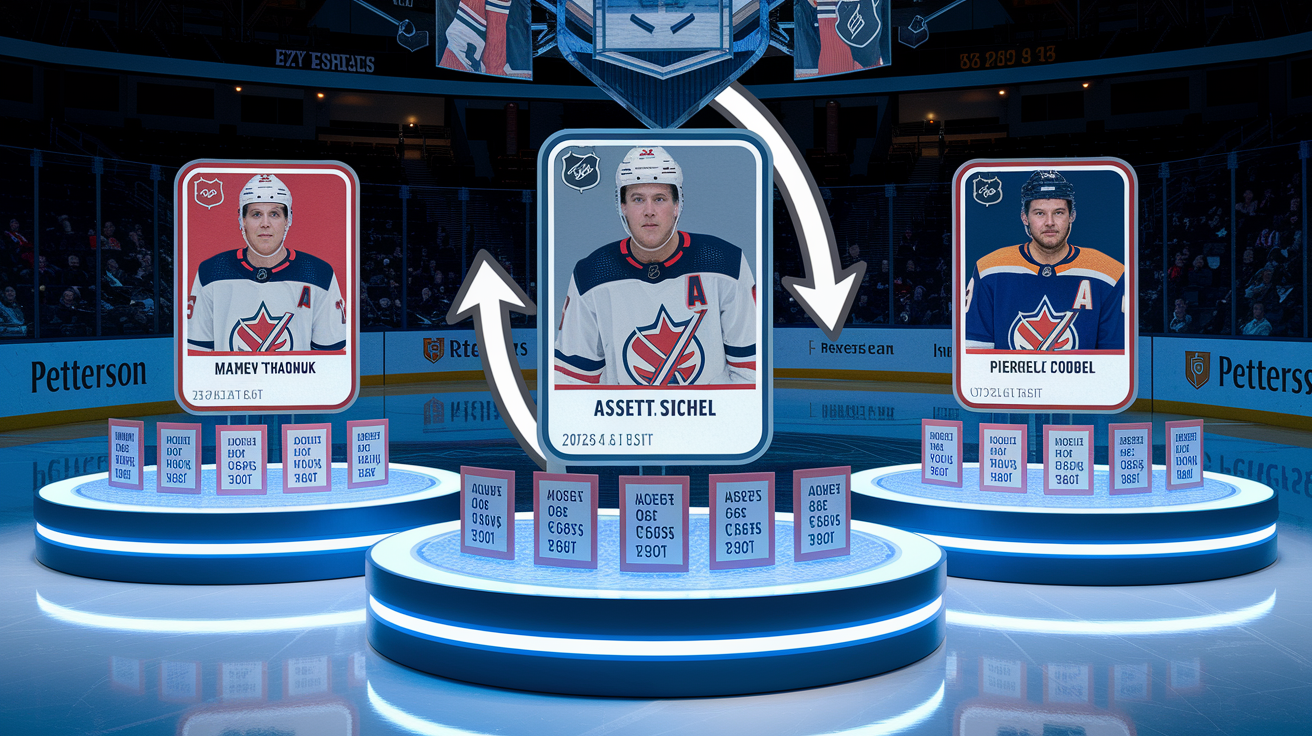
Recent trades involving high cap, high skill forwards provide a useful baseline for what Vancouver can realistically expect. When evaluating Pettersson’s market, the closest comparisons are players who moved during competitive windows rather than pure salary dumps or expiring contract rentals. These are players with term left, significant cap hits, and question marks about whether they justify their salary in a new environment. The challenge is most star forward trades in the last few years have involved either pending free agents (which lowers return value) or players on cheaper bridge deals (which inflates it). Pettersson’s situation is somewhere in the middle. He’s not a rental, but his $11.6 million cap hit creates friction that didn’t exist in deals where the acquiring team could more easily fit the money.
Analysts have compared Pettersson’s situation to earlier discussions around Quinn Hughes, a player once considered untouchable who became movable when Vancouver’s front office shifted priorities. Same dynamic applies here. If Vancouver is truly committed to a teardown, Pettersson’s trade value isn’t determined solely by his on ice performance but by how badly a contending team needs what he offers and how much organizational pain they’re willing to absorb. The market for All Star forwards with long term cap commitments has historically been smaller and less lucrative than trades involving younger players on entry level or bridge contracts.
| Player Traded | Assets Returned | Relevance to Pettersson Market |
|---|---|---|
| Matthew Tkachuk (2022, to Florida) | Jonathan Huberdeau, MacKenzie Weegar, Cole Schwindt, conditional 2025 1st | High end forward with term, but lower cap hit and no retention required |
| Jack Eichel (2021, to Vegas) | Alex Tuch, Peyton Krebs, 2022 1st round pick | Star center with injury/contract concerns, similar cap range, mixed return quality |
| Pierre Luc Dubois (2023, to Los Angeles) | Gabriel Vilardi, Alex Iafallo, Rasmus Kupari, 2024 2nd round pick | Young center with perceived attitude issues, return was NHL roster heavy rather than pick heavy |
How an Elias Pettersson Trade Reshapes Vancouver’s Roster, Cap Structure, and Future Direction

Trading Pettersson immediately creates a hole at the top of Vancouver’s depth chart that can’t be filled internally. He’s been the team’s primary offensive driver for years. Moving him means redistributing his minutes, power play time, and matchup responsibilities across a group of forwards who haven’t consistently proven they can handle that load. If Vancouver doesn’t receive an NHL ready center in return, they’ll need to shift existing players up the lineup or rely on prospects who may not be ready. That creates short term roster instability, but it also forces the organization to answer a question they’ve been avoiding: are they trying to compete now, or are they committing to a multi year rebuild.
The cap relief is significant but comes with timing considerations. Moving Pettersson’s $11.6 million off the books (or even reducing it through retention) gives Vancouver flexibility to take on bad contracts in exchange for additional draft picks, sign free agents, or extend younger players without worrying about the ceiling. If the return package includes a cap offset player earning $3 million to $5 million, the net savings drop but roster balance improves. Long term, the trade signals to the rest of the league that Vancouver’s willing to move anyone, which could accelerate discussions around other high value players and reshape how the front office approaches the next two offseasons.
From a rebuild perspective, moving Pettersson only makes sense if the return package includes multiple first rounders or a true blue chip prospect. Without those pieces, Vancouver risks entering a prolonged middle ground where they’re too weak to compete but not bad enough to secure top lottery picks. The power play structure will also need a complete overhaul. Pettersson’s been the primary playmaker on the top unit. Losing that skill set without a replacement makes the second phase attack much less dangerous. If Vancouver’s serious about tearing things down to the bolts, this trade becomes the clearest signal of intent.
Insider Reporting, Rumor Verification, and Credibility of Pettersson Trade Chatter

The current wave of Elias Pettersson trade rumors traces back to commentary on Daily Faceoff LIVE, specifically a segment featuring Irf Gaffar alongside hosts Tyler Yaremchuk and Steve Peters. That discussion highlighted the $11.6 million cap hit as the primary obstacle to a deal and noted that teams are pushing for salary retention while Vancouver resists. The credibility of that reporting is solid. Daily Faceoff maintains strong league wide sources, and the hosts have a track record of breaking or contextualizing trade conversations before they reach mainstream outlets. What makes this rumor cycle more believable than earlier speculation is the consistency across multiple insiders and the fact that Vancouver’s already made significant moves this season, including dealing Quinn Hughes. When a team starts moving players once considered untouchable, it confirms that internal discussions have shifted from “what if” to “how soon.”
Timing matters. With less than two months until the trade deadline, teams are finalizing their strategies and identifying which moves are realistic versus aspirational. The fact that Pettersson’s name is circulating now (rather than in the summer when cap space resets and trade markets open wider) suggests that Vancouver’s at least entertaining offers and likely testing the market to see what’s available. Not all leaks are accurate. Some are deliberate misdirection designed to pressure other teams or create leverage in parallel negotiations. But when multiple credible insiders independently report similar frameworks (contract details like the $11.6 million cap hit and the no move clause, and team names like Carolina, Detroit, and Los Angeles), the rumor gains legitimacy. The question isn’t whether Vancouver’s listening to offers. It’s whether they’ll find a package strong enough to pull the trigger before the deadline.
Final Words
In the action, we ran through what’s driving the Elias Pettersson buzz: the $11.6M cap hit, his no-move clause, and teams asking for salary retention Vancouver doesn’t want.
We mapped likely suitors (Carolina, Detroit, LA), realistic return types (NHL-ready players, blue-chip prospects, first-rounds, conditional picks, cap-offset contracts) and how comparable trades frame market value. Insider chatter is loud, so read reports with a grain of salt.
Elias Pettersson trade rumors: what Vancouver could get in return still suggests genuine value — and, if handled smartly, a better roster path ahead.
FAQ
Q: Are Quinn Hughes and Elias Pettersson still friends?
A: There’s no public indication Hughes and Pettersson aren’t friends; no confirmed rift has surfaced and they’ve maintained public interactions recently.
Q: Why didn’t the Canucks trade Pettersson?
A: The Canucks didn’t trade Pettersson because his $11.6M cap hit, no-move clause and Vancouver’s reluctance to retain salary kept offers below what the team wanted.
Q: Does Auston Matthews want to be traded?
A: Auston Matthews does not appear to want a trade; no credible reports show he’s requested a move and he remains committed to his team.
Q: How much does Arshdeep Bains get paid?
A: Arshdeep Bains’ pay isn’t widely reported; he’s likely on a minor-league or two-way deal. Check official team releases, CapFriendly, or NHLPA records for exact numbers.