

Small-market teams make the fiercest rivalries, not despite their limits but because of them.
When a low-payroll club knocks off a star-studded favorite, the win feels like proof and the loss feels personal.
Repeated matchups, geographic proximity, and signature moments (no-hitters, brawls, walk-offs) let single games become lasting grudges.
This post shows how resource gaps, tight schedules, and fan identity turn upsets into feuds that survive eras, and why those rivalries matter for cities, players, and the sport’s stories.
How Small-Market Underdog Rivalries Take Root and Endure
Resource gaps breed resentment. When a team running a tenth of the payroll knocks off a roster packed with star contracts, both sides file it away. The winner feels proven right. The loser feels humiliated. String together a few of those games when the stakes are high and you’ve got the seeds of a real feud. Small-market rivalries feed on this imbalance. Take the Tampa Bay Rays. They spent a decade losing 90-plus games every season, written off as an expansion afterthought until analytics and desperation turned them into the Yankees’ most annoying problem.
Repeated matchups and geography speed things up. The Oakland A’s and Los Angeles Angels face each other 19 times per regular season. That’s roughly 12 percent of their summer. Enough exposure for single moments to pile up. Clyde Wright’s no-hitter against Oakland in 1970. A 20-inning, 1–0 marathon in 1971. A 2004 division race decided in the final weekend. All of it happened because the schedule kept shoving them together. Fan polls back up the mutual hatred: 43 percent of A’s supporters and 42 percent of Angels fans call the other their top rival. Close proximity, divisional alignment, and constant games turn competitive tension into real animosity.
Upset wins reshape how people see you. When the underdog steals a playoff series or clinches a division on the favorite’s home turf, the emotional whiplash hits harder than any regular-season result. Mike Brosseau’s 2020 home run off Aroldis Chapman carried extra weight because Chapman had thrown near Brosseau’s head earlier that year. The revenge angle made it stick. These signature incidents (no-hitters, extra-inning battles, brawls, late-season collapses) give small-market feuds staying power that standings alone never could.
Key catalysts of underdog rivalry formation:
- Repeated high-stakes matchups (playoff series, division-race finishes, late-season swings)
- Geographic and divisional overlap (same state, same division, annual schedules guaranteeing frequent games)
- Signature incidents (no-hitters, brawls, walk-off wins, revenge moments, public callouts)
- Fan poll and cultural recognition (when both sides name each other as primary rivals)
- Resource disparity (payroll gaps, star signings versus analytics-driven rosters)
- Media amplification (quotes, viral moments, coverage that turns single plays into lasting storylines)
Rivalry Dynamics in Small-Market Sports Cultures
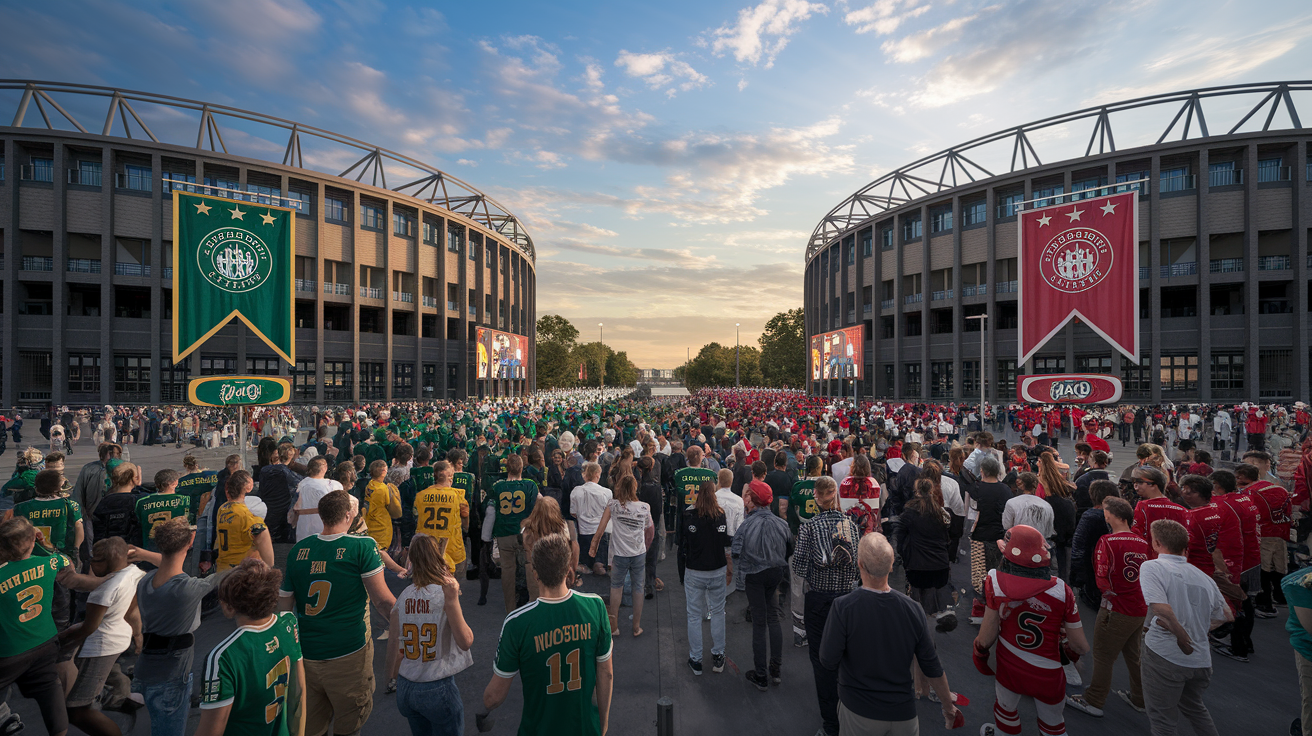
Community identity drives small-market rivalries harder than any budget. A city with one professional team invests differently than a metro area juggling four franchises. The team becomes a stand-in for civic pride, regional identity, local values. When that team faces a wealthier rival from a bigger city, the matchup carries cultural weight beyond the scoreboard. Intrastate divides sharpen the edge. Northern California versus Southern California in the A’s–Angels feud, for example. Branding moves like Anaheim becoming “Los Angeles” irritate fans who see it as posturing. Mascots, fireworks, chants, attendance quirks… all of it feeds non-game resentment that makes the on-field competition feel personal.
Geographic proximity turns casual dislike into ongoing tension. When fans can drive to an away game, road trips become invasions. The 19-game annual schedule between the A’s and Angels means repeated exposure to each other’s traditions, quirks, and annoyances. The Rally Monkey, home-run fireworks, and other rituals become targets for mockery and frustration. These cultural irritants don’t decide games, but they shape how fanbases remember them.
Cultural drivers that intensify rivalries:
- Local traditions and rituals (mascots, chants, fireworks displays, ballpark quirks that annoy visiting fans)
- Regional identity conflicts (north versus south, urban versus rural, old city versus new city resentments)
- Fan travel and proximity (ability to invade away games and create visible presence in rival territory)
- Branding and naming disputes (rebranding moves, geographic claims, perceived marketing overreach)
- Media markets and coverage tone (local broadcasters, beat reporters, fan-run outlets that frame narratives)
Classic Small-Market Feuds That Define the Underdog Blueprint
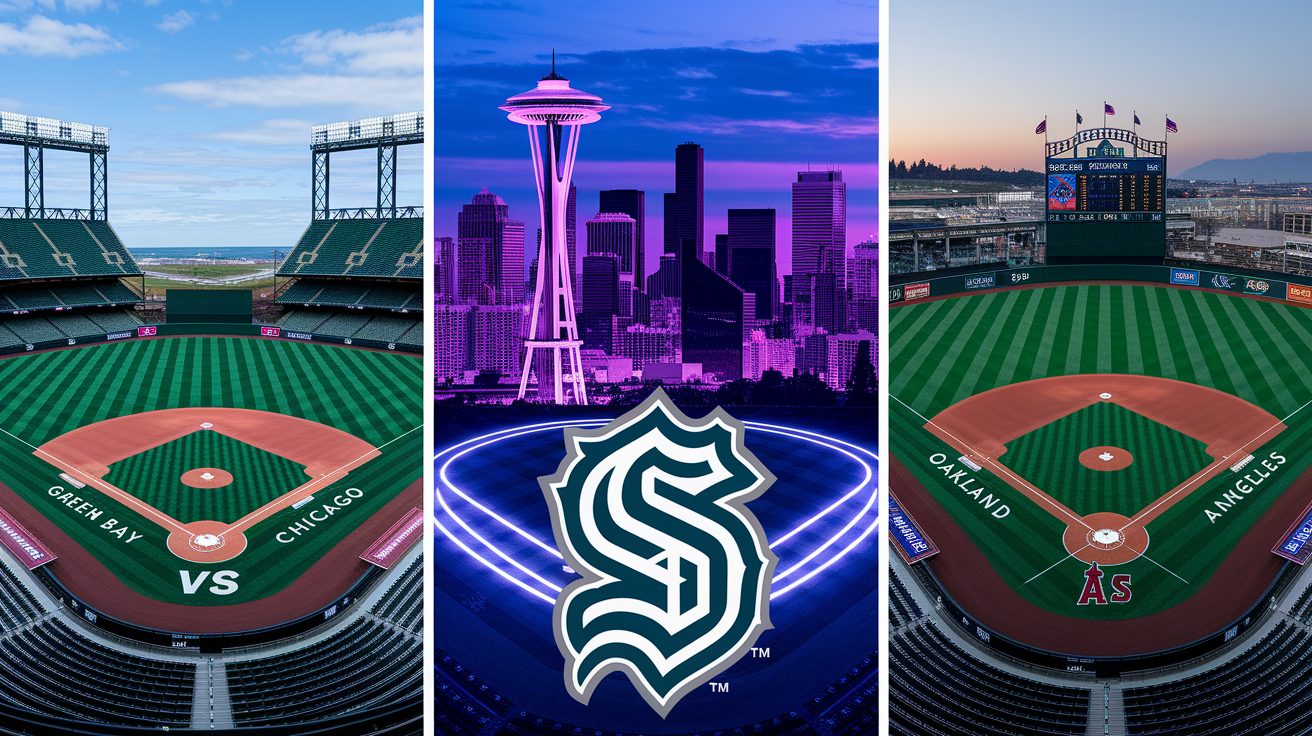
Green Bay versus Chicago stands as the oldest NFL rivalry and the clearest small-market prototype. Green Bay, a city of roughly 100,000, holds its own against a major metropolitan area through history, tradition, and cycles of dominance. The Packers have won championships in different eras, proving that small markets can sustain excellence and competitive fire across generations. The geographic closeness (less than 200 miles) ensures frequent matchups and easy fan travel. The rivalry anniversaries and commemorations reinforce its legacy, keeping it relevant even when one team struggles.
Portland and Seattle offer a regional-derby model across multiple leagues. The proximity fuels consistent animosity whether the sport is soccer, basketball, or baseball. Fan culture in both cities emphasizes local pride and regional differences, turning every matchup into a statement game. The ease of travel means road games feel like home invasions, raising emotional stakes beyond typical division play.
The A’s–Angels rivalry shows how small-market dynamics play out in baseball. Since the Angels’ founding in 1961, the two have met 958 times, with Oakland holding a .521 winning percentage. The A’s-Angels rivalry is mutual, but with room to grow, but key moments have already cemented its place. The 2012 late-season rally extinguished by reliever Jerry Blevins in a crucial ninth inning. The 2006 brawl between Jason Kendall and John Lackey (the A’s’ first full-scale fight in 13 years). The 2004 division race decided in the final weekend. All of it built lasting resentment. The intrastate tension, divisional scheduling, and resource gap give the feud every structural advantage it needs.
| Rivalry Name | Market Size Notes | Key Defining Moments |
|---|---|---|
| Green Bay Packers vs. Chicago Bears | Small-market Green Bay (~100k pop.) vs. major metro Chicago; oldest NFL rivalry | Century-long history; championship cycles; consistent divisional stakes |
| Portland vs. Seattle (multi-sport) | Regional derby between Pacific Northwest cities; close geographic proximity | Frequent matchups across MLS, NBA contexts; fan travel and cultural clashes |
| Oakland A’s vs. Los Angeles Angels | Small-market Oakland vs. larger-market Angels; 958 all-time games since 1961 | 2012 late-season rally; 2006 Kendall-Lackey brawl; 2004 final-weekend division race |
Resource Gaps and the Psychology Behind Underdog Rivalries

Economic inequality fuels psychological motivation. When the Angels sign a player to a quarter-billion-dollar contract or the Yankees assemble a roster worth more than some franchises’ entire payroll history, the small-market opponent treats every game as a referendum on strategy. The A’s respond with analytics and player development. The Rays counter with defensive shifts, “opener” pitching strategies, and scouting depth. Necessity drives innovation. Innovation builds pride. Each win against a wealthier opponent feels like validation of a smarter approach.
High-spending failures amplify resentment. The Angels’ Albert Pujols and Josh Hamilton contracts became cautionary tales. Hamilton’s deal required the team to eat more than 60 million dollars just to trade him. The Yankees’ star-acquisition model occasionally backfires, but the ability to absorb mistakes without rebuilding creates envy and schadenfreude in smaller markets. When a low-budget roster beats a team that can replace underperformers with free agents, the psychological edge shifts. The underdog carries momentum from proving doubters wrong. The favorite carries the weight of expectations and the embarrassment of wasting resources.
On-field incidents deepen the divide. Aroldis Chapman’s near-head fastball at Mike Brosseau in 2020 became more than a brushback pitch. It became a symbol of entitled aggression from a richer team. When Brosseau answered with a game-winning home run in the decisive playoff game, the revenge narrative cemented the feud. Resource disparity turns competitive plays into cultural flashpoints, especially when fans frame them as bullies versus scrappy underdogs.
Underdog Moments That Cement Lasting Feuds
A single play can define decades. The A’s 20-inning win in 1971 became shorthand for resilience and grinding effort against a division opponent. Vida Blue’s combined no-hitter in 1975 showcased Oakland’s pitching depth and tactical flexibility. These moments outlive box scores because they create narratives. Proof that innovation and execution can beat talent and money.
Late-season drama sticks hardest. The 2004 final-weekend division race between the A’s and Angels turned the regular season into a playoff atmosphere. Oakland lost, but the intensity of that series shaped how both fanbases remember the rivalry. The 2012 late-season turnaround, with Jerry Blevins shutting down an Angels rally after just eight pitches to secure a strikeout and double play, gave Oakland a defining image of clutch performance under pressure. The Rays’ 2008 World Series run after dropping “Devil” from their name announced them as legitimate contenders and reframed their rivalry with the Yankees from novelty to threat.
Revenge incidents carry the longest shelf life. The American League East Showdown: Rays Clash with Yankees reached its peak in the 2020 five-game ALDS when Brosseau’s home run off Chapman closed a chapter that began with a dangerous pitch months earlier. Public memory holds these stories because they offer clear heroes, villains, and resolution.
Most impactful rivalry-defining events:
- 20-inning Oakland victory (1971) (marathon endurance game that became a symbol of resilience)
- Vida Blue combined no-hitter (1975) (tactical pitching showcase against division rival)
- 2004 A’s-Angels final-weekend race (playoff-level intensity in regular-season divisional finish)
- 2008 Rays World Series run (franchise rebrand coinciding with breakthrough contention)
- 2012 late-season A’s rally (Jerry Blevins eight-pitch shutdown preserving division hopes)
- 2020 Brosseau revenge home run (postseason walk-off after earlier beanball incident)
How Media Narratives and Storytelling Expand Small-Market Rivalries
Public quotes accelerate feuds. C.J. Wilson’s “lawyer ball” jab at the A’s approach didn’t just criticize strategy. It questioned the legitimacy of Oakland’s success and dismissed their methods as gimmicky. His comments about the Coliseum drawing “like 6,000 people” turned attendance into a talking point and gave A’s fans a villain to rally against. These soundbites spread faster than game recaps, shaping how neutral observers and rival fanbases frame the matchup.
Coverage highlights emotional peaks. The 2006 Jason Kendall versus John Lackey brawl received extended replay and analysis, cementing it as a turning point in the A’s–Angels dynamic. Fan polls showing mutual rivalry identification (43 percent of A’s fans and 42 percent of Angels fans naming each other) became a data point that journalists and broadcasters used to validate the feud’s legitimacy. Traditional media outlets and digital platforms both thrive on conflict, so they amplify incidents that might otherwise fade into the background of a 162-game season.
Digital amplification
Viral clips keep rivalry moments alive long after the game ends. A single play (Brosseau’s home run, Blevins’ clutch strikeout, Kendall charging the mound) gets replayed, meme’d, and shared across social platforms. Hashtags and fan-run accounts curate these moments into ongoing narratives, turning isolated incidents into chapters of a larger story. Rival fan bases engage in real-time arguments during live games, extending the emotional intensity beyond the stadium and into digital spaces where the feud never truly pauses.
Final Words
They spark from a single play, a budget gap or a late‑inning upset — and then they grow. This piece broke down why resource disparities, repeated matchups, hometown culture, defining incidents and media replay keep underdog feuds alive. We used A’s–Angels, Rays–Yankees and other case studies to show the pattern.
Underdog rivalries: how small-market teams create lasting feuds matters because it’s about pride and creative strategy, not just payroll. When fans feel it, the rivalry sticks — and that keeps seasons interesting.
FAQ
Q: What is the underdog effect?
A: The underdog effect is the tendency to root for a less‑favored team or player, which boosts fan energy, media attention, and motivation, sometimes shifting momentum and increasing the chance of an upset.
Q: What makes an underdog?
A: An underdog is a team or player viewed as less likely to win due to smaller budgets, weaker rosters, poor records, or outsider status, which often sparks grit, inventive tactics, and strong fan loyalty.