


Want steady rent checks now or bigger wealth later?
Veteran rental programs trade some upside for predictable, voucher-backed cash flow and lower turnover.
Long-term ownership trades short-term flexibility for equity growth through appreciation and mortgage paydown.
This piece lays out the core numbers, risks, taxes, and liquidity differences.
By the end you’ll know whether you need a cash-flow engine today or a wealth-accumulation plan for the next decade, and which strategy likely fits your timeline and risk tolerance.
Core Financial Comparison: Veteran Rental vs Long‑Term Asset Holding

Veteran rental programs deliver monthly income through channels backed by housing vouchers or direct VA support, which cuts the risk that a tenant bails mid‑lease. Cash flow shows up on schedule because a government agency or assistance program covers part or all of the rent, smoothing out seasonal income swings and pushing vacancy risk below what you’d see in standard markets. Long‑term real estate assets prioritize equity buildup through principal reduction and market appreciation that historically runs 3–5% per year. Buy and hold for a decade and you’ll typically see compounded growth in property value plus loan paydown, even when monthly cash flow feels tight.
The trade‑off is how fast you need the money and what kind of return you’re after. Veteran rental strategies produce predictable rent checks and lower turnover expenses, so you get steady cash in the first few years. Long‑term holding gives up some immediate flexibility because appreciation and equity gains are paper returns until you sell or refinance. But the eventual payoff includes the full market‑value increase and all the principal you’ve paid down over time. A property appreciating at 4% annually over 15 years can more than double your original equity while your tenants cover the mortgage and expenses.
Liquidity is another dividing line. Veteran rental agreements often come with occupancy guarantees or administrative oversight that limit how easily you can convert the property to personal use or sell into a hot market on short notice. Long‑term asset holding lets you time exits around market peaks and capital‑gain thresholds, though selling triggers transaction costs that can erase gains if you bail too soon. Balancing these factors means deciding whether you’re building a cash‑flow engine for today or a wealth‑accumulation machine for the next decade.
| Strategy | Cash Flow Stability | Appreciation Potential | Vacancy Risk | Liquidity Level |
|---|---|---|---|---|
| Veteran Rental | High – voucher‑backed or guaranteed payments | Moderate – rents typically capped, limiting upside | Low – program oversight and tenant screening reduce turnover | Low to Moderate – compliance rules restrict exit timing |
| Long‑Term Asset | Variable – depends on local demand and tenant quality | High – unrestricted by rent caps, compounding over time | Moderate – standard market vacancy and turnover costs | High – owner controls sale timing and conversion options |
Understanding Veteran Tenant Programs and Payment Security

Housing assistance programs tied to veteran benefits often route rent payments straight from a federal or state agency to the landlord. A portion or all of the monthly rent is guaranteed as long as the tenant stays eligible and the property meets program standards. HUD‑VASH vouchers cover fair market rent up to a local cap, and the tenant typically chips in roughly 30% of their household income. That split keeps default risk low because most of the rent isn’t riding on the tenant’s bank account.
Veteran households using these programs show lower turnover than the general rental market. Case managers and support services help tenants stay housed, and the stability of guaranteed income reduces the financial stress that triggers lease breaks. In exchange for that reliability, you accept compliance obligations. Properties must pass periodic inspections, meet habitability standards, and sometimes cap annual rent increases at levels set by the administering agency. The administrative review process can delay move‑ins by a few weeks compared to standard leases. But the trade‑off is a payment stream that rarely stops mid‑month and tenants who stick around longer on average.
Payment reliability factors and program requirements:
- Guaranteed subsidy disbursement – the housing authority or VA‑linked agency pays its portion directly to you, usually by the first of the month, insulating you from tenant cash‑flow problems.
- Inspection and habitability compliance – annual or biennial inspections verify that units meet health and safety codes. Failing an inspection can pause payments until you complete repairs.
- Rent‑cap constraints – many programs set maximum allowable rents at local fair market rates, limiting your ability to raise rent when markets heat up.
- Lower turnover and extended tenancies – veteran tenants assisted by vouchers or case management typically remain in place 18–36 months or longer, reducing vacancy cycles and re‑leasing costs.
Long‑Term Asset Appreciation and Equity Growth Dynamics
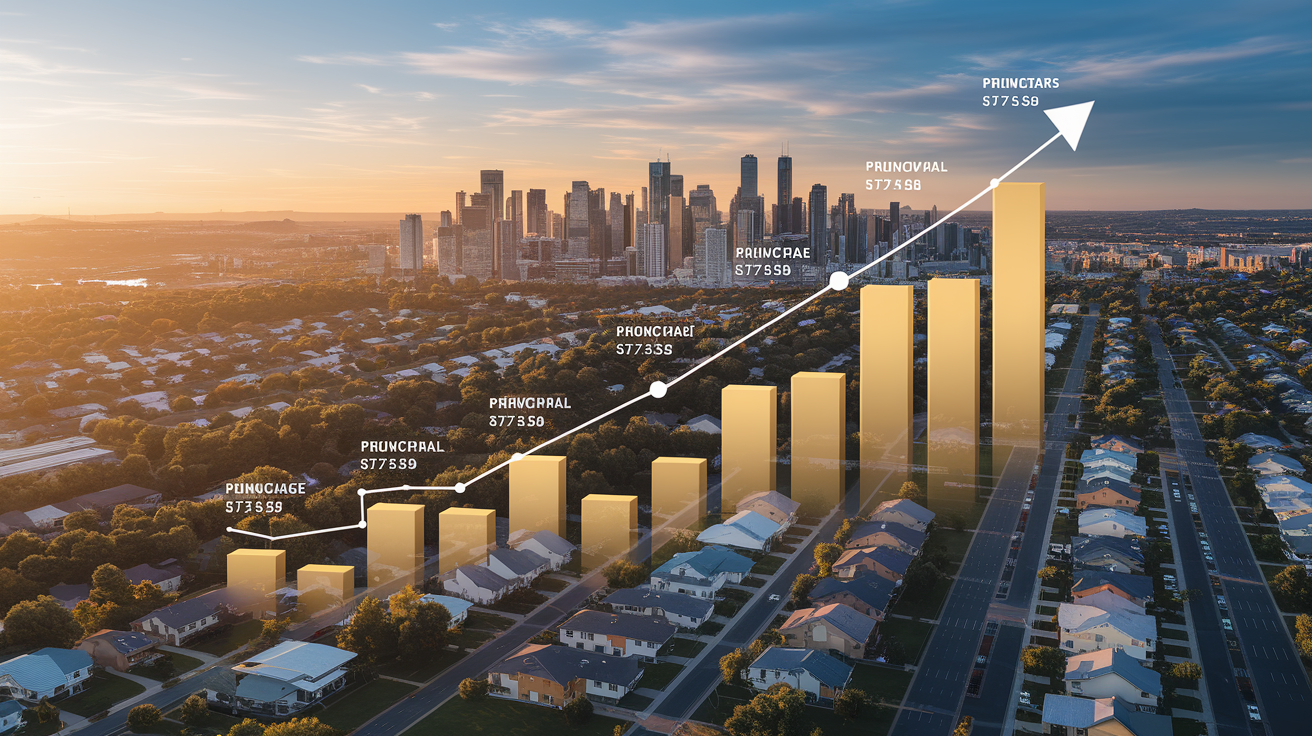
Real estate held for multiple years benefits from two simultaneous wealth‑building engines: steady principal reduction on your mortgage and the compounding effect of market appreciation. Historical U.S. residential property data shows an average annual appreciation rate of 3–5%. A property purchased at $300,000 and held for 20 years could be worth $500,000 to $650,000 before selling costs, depending on local demand and inflation. Every mortgage payment chips away at the loan balance. By year 10 of a 30‑year fixed mortgage, you’ve typically paid off roughly 15–20% of the original principal, converting debt into equity without changing the property’s market value.
That equity accumulation happens whether rents cover the full mortgage or you subsidize payments out of pocket during early years. The key advantage of long‑term holding is time. Short‑term volatility in rent or property values gets smoothed out across decades, and compounding returns accelerate as both the asset base and equity base grow. An investor who buys at $300,000 with 20% down ($60,000) and sees 4% annual appreciation will have roughly $114,000 in appreciation‑driven equity after 10 years, plus another $50,000–$60,000 from principal paydown. Total equity lands around $224,000 on a $60,000 initial investment.
Cash flow during the hold period can be inconsistent, especially in early years when mortgage interest is high and rents are still climbing to match expenses. Long‑term asset strategies accept modest or even negative cash flow in exchange for the certainty that equity will eventually overtake cumulative carrying costs, particularly if you refinance when rates drop or rent growth outpaces expense inflation over time.
Equity Accumulation Over 10–20 Years
Amortization schedules front‑load interest payments, so principal reduction is slow in the first five years and accelerates in years 10–20. A $240,000 loan at 3.5% over 30 years will have paid down roughly $36,000 in principal by year 10, but another $60,000 between years 10 and 20. The curve bends in your favor as time passes. Compounding appreciation works the same way. A property gaining 4% per year doesn’t just add $12,000 annually on a $300,000 base. By year 15 the base is closer to $540,000, so that 4% increment is now worth $21,600 per year. Together, these forces turn patience into measurable wealth, even when monthly statements show minimal positive cash flow.
Risk Profiles: Vacancy, Turnover Costs, and Regulatory Constraints
Veteran tenants supported by housing programs show turnover rates well below the national average because program case managers actively work to keep tenants housed. Voucher recipients face fewer market pressures that trigger sudden moves. Standard rental markets see median lease durations of 12–18 months, with turnover costs ranging from one to two months’ rent when you account for vacancy, cleaning, repairs, and re‑leasing fees. Those expenses can consume 10–15% of annual rent if a tenant leaves every year. Veteran rental agreements backed by vouchers or guaranteed‑payment mechanisms often extend tenancies past 24 months, cutting that turnover drag in half and stabilizing cash flow projections.
Long‑term property holding exposes owners to full market cycles. A recession can knock 10–20% off property values and push vacancy rates above local norms as tenants consolidate households or leave for cheaper markets. Landlords holding multiple properties across a single metro area face concentration risk if that region’s economy stalls. Selling during a downturn locks in losses that time might have healed. Regulatory constraints add another layer. Some cities have rent‑control ordinances, mandatory lease‑renewal provisions, or eviction‑process delays that complicate cash‑flow management. These rules apply equally to veteran and non‑veteran tenancies but can be harder to navigate when program inspections or compliance audits layer on top of local landlord‑tenant law.
Tax Advantages and Financial Incentives
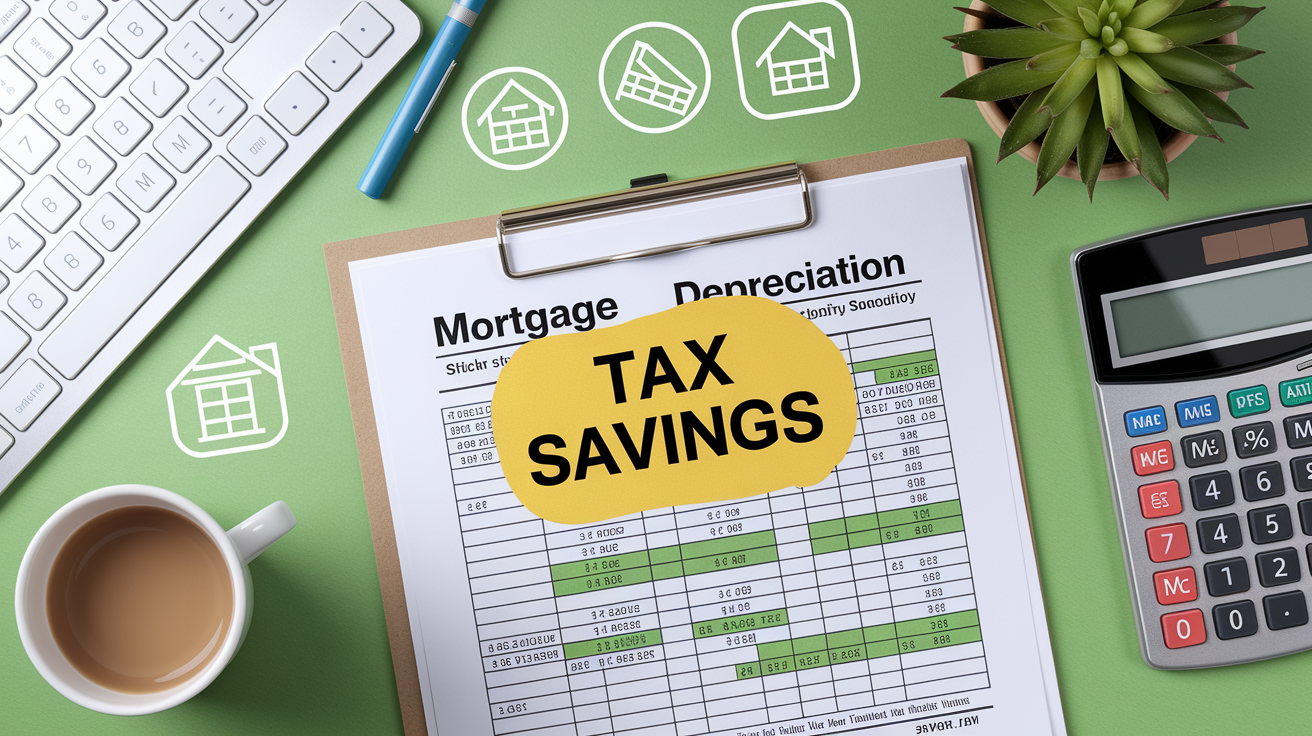
Property ownership unlocks a suite of federal tax benefits that apply regardless of whether you rent to veterans or hold the asset vacant. The IRS lets landlords deduct operating expenses against rental income: mortgage interest, property taxes, insurance, maintenance, and property management fees. This often reduces taxable income to zero or even generates a paper loss that can offset other passive income. Residential rental properties also qualify for depreciation deductions over 27.5 years, letting you write off roughly 3.6% of the building’s value each year without spending any actual cash. For a $300,000 property with $240,000 allocated to structure and $60,000 to land, that’s an $8,700 annual deduction that shelters rent revenue and lowers your effective tax rate.
Veteran rental programs don’t restrict access to these deductions. But rent caps imposed by some housing agencies can limit the total income you report, which in turn reduces the absolute dollar value of your deductions when marginal rates apply. Long‑term asset holding adds another layer. When you eventually sell, gains on properties held longer than one year qualify for long‑term capital‑gains rates, which are typically 15% or 20% at the federal level, far below ordinary income rates. Pairing a sale with a 1031 exchange lets you defer that tax entirely by rolling proceeds into a replacement property, preserving equity for continued growth.
Combining these incentives with the choice between veteran tenancy and standard rental strategy requires modeling your marginal tax bracket and expected hold period. If you’re in a high bracket and plan to hold for a decade or more, depreciation and capital‑gains treatment deliver the largest benefit. If you need immediate tax‑sheltered cash flow, veteran rental programs with guaranteed payments let you claim full deductions against a predictable income stream, smoothing year‑to‑year volatility in your tax position.
Key tax benefits for both strategies:
- Mortgage interest deduction – interest paid on rental‑property loans is fully deductible against rental income, lowering taxable net profit.
- Depreciation write‑off – spreads the cost of the building over 27.5 years, creating non‑cash deductions that shelter cash flow.
- Long‑term capital‑gains treatment – properties sold after more than one year of ownership are taxed at preferential rates, cutting the effective tax hit on appreciation gains.
Strategy Selection Based on Investor Goals and Time Horizon

Short‑term income seekers prioritize monthly cash flow and low vacancy risk, which makes veteran rental programs a natural fit. Guaranteed or voucher‑backed rent payments eliminate the guesswork around whether a tenant will pay on time. Lower turnover cuts the expense spikes that come with re‑leasing every 12 months. If your goal is to replace a paycheck or fund near‑term expenses, the stability of a veteran tenancy can outweigh the opportunity cost of capped rent growth, especially in markets where general‑population rents are volatile or slow to climb.
Long‑term wealth accumulators tolerate lumpy cash flow and occasional negative months because they’re focused on the equity position 10 or 20 years out. These investors care more about unrestricted rent growth, market appreciation, and the ability to time exits around tax or liquidity needs. Holding an asset without program constraints lets you raise rents in line with local demand, refinance when rates drop, or convert the property to personal use if your situation changes. The trade‑off is higher operational complexity and the need for reserves to cover vacancies and surprise repairs.
Mixed strategies offer a middle path. You might use veteran rental programs to stabilize cash flow on a portion of your portfolio while holding other properties as pure appreciation plays. Or start with a veteran tenant to lock in guaranteed payments during the first few years and then convert to market‑rate leasing once local rents have climbed enough to justify the switch. Matching strategy to goal and timeline ensures you’re not chasing appreciation when you need cash today, or sacrificing long‑term upside for short‑term certainty you don’t actually require.
Investor profiles and strategy recommendations:
- Cash‑flow‑focused, short horizon (1–5 years) – choose veteran rental programs with guaranteed payments. Prioritize low turnover and stable monthly deposits over market‑rate rent growth.
- Balanced income and growth, medium horizon (5–10 years) – start with veteran tenancy to stabilize early cash flow, then transition to market leasing or refinance to capture appreciation once equity position is strong.
- Wealth accumulation, long horizon (10+ years) – hold properties as unrestricted long‑term assets. Accept cash‑flow variability in exchange for compounding appreciation and full control over rent increases and exit timing.
- Risk‑averse with moderate liquidity needs – blend both strategies across multiple properties. Use veteran rental for base income and long‑term holds for growth, ensuring you can liquidate growth assets without disrupting cash‑flow properties.
Final Words
We sized up cash flow stability, guaranteed payments, appreciation potential, tax perks and risk — veteran rental offers steadier short-term cash and lower vacancy, while long-term holding builds equity and compound gains.
If you need steady income and less churn, veteran rental fits; if you want wealth over decades, long-term asset wins. Many investors blend both to balance liquidity and growth.
This trade-off analysis: veteran rental vs long-term asset should help you pick based on horizon and risk — either path can work, and smart choices boost your odds.
FAQ
Q: What are the hidden benefits a veteran can use to acquire rental properties?
A: The hidden benefits a veteran can use to acquire rental properties include VA-backed financing (low or no down payment for owner-occupied multi-unit purchases), rental-assistance programs, lower tenant turnover, and local grants or counseling.
Q: Is rent expense a long-term asset or short-term?
A: Rent expense is generally a short-term operating expense, shown on the income statement. Prepaid rent covering periods beyond 12 months is capitalized as a long-term asset on the balance sheet.
Q: Which scenario is an advantage to renting capital assets?
A: Renting capital assets is advantageous when needs are short-term, assets quickly become obsolete, cash must be preserved, or you want to shift maintenance and upgrade risk to the lessor.