


Could the Timberwolves vs Pelicans young cores become the next West rivalry, or is this Game 82 just an audition night?
Both teams will trot out bench-heavy lineups, turning the finale into a live scouting report for the players who could matter in May.
This piece breaks down the talent matchups, who has the immediate edge, and what needs to happen—health, playoff meetings, and steady development—before this turns into a true rivalry.
Read on to see which young stars are trending up and which are still on the bubble.
Game 82: Minnesota’s Final Tune-Up Before the Real Season Begins
81 games down. One to go.
The Timberwolves close out the regular season on April 12, 2026, at 7:30 PM CDT inside Target Center against the New Orleans Pelicans. FanDuel Sports Network North carries the broadcast. KFAN FM, the Wolves App, and iHeart Radio handle radio coverage.
Minnesota sits at the 6-seed with a playoff berth locked. New Orleans is already eliminated. The stakes are split. For the Wolves, this is a controlled tune-up. Health preservation, role experimentation, and a final chance to clean up habits before the postseason. For the Pelicans, it’s a last opportunity to let young scorers play freely and experiment without playoff pressure.
The seeding conversation adds context. Minnesota could’ve been the 3-seed if two or three late-game collapses hadn’t cost them winnable games down the stretch. Instead, they’re locked into the 6-slot, which means one of two first-round paths: a potential matchup with a banged-up Lakers squad if San Antonio sends Denver the other direction and the Lakers beat the Jazz, or a direct date with Denver and Nikola Jokic. Both are viewed as winnable under different assumptions. Had the Wolves climbed to the 3-seed, the likely opponent would’ve been the Houston Rockets. A team that turned head-to-head meetings into coin-flip knife fights all season long.
Game 82 won’t decide seeding. It won’t shift playoff matchups. It exists as a scrimmage with broadcast cameras and a scoreboard that still counts.
Rotations, Rest, and the Preseason Lineup Minnesota Will Roll Out

Expect a lineup closer to preseason than playoff dress rehearsal.
Rudy Gobert is out, avoiding suspension risk and injury exposure. Julius Randle is likely limited or rested entirely after carrying a heavy workload through the final stretch. Anthony Edwards and Jaden McDaniels may see cautious ramp-up minutes to regain rhythm rather than chase a meaningless win.
Kyle Anderson will bring the ball up. Younger bench players and fringe rotation pieces will receive extended looks. Terrence Shannon Jr., Jaylen Clark, and Joan Beringer are highlighted as potential auditioners. Players who could earn playoff trust or at least provide a clearer development baseline heading into the offseason.
The Pelicans will operate under similar constraints. Herbert Jones, Dejounte Murray, Zion Williamson, Trey Murphy III, and Yves Missi are all out. Saddiq Bey is resting. Karlo Matkovic is managing low back soreness. Bryce McGowens has a fractured toe. What remains is a guard-heavy, young-big-driven lineup built around Jeremiah Fears, Jordan Poole, and Derik Queen.
Minnesota’s full injury/availability list for Game 82 is extensive:
- Kyle Anderson: out (right knee injury maintenance)
- Mike Conley: rest
- Ayo Dosunmu: out (right calf injury maintenance)
- Anthony Edwards: out (right knee injury maintenance)
- Rudy Gobert: rest
- Bones Hyland: out (right hip injury maintenance)
- Jaden McDaniels: out (left knee injury maintenance)
- Julius Randle: out (right hand injury maintenance)
- Naz Reid: out (right shoulder injury maintenance)
New Orleans counters with its own list:
- Saddiq Bey: rest
- Herbert Jones: rest
- Karlo Matkovic: out (low back injury management)
- Bryce McGowens: out (right small toe fracture)
- Yves Missi: out (right hand/finger sprain)
- Trey Murphy III: out (right ankle sprain)
- Dejounte Murray: out (left hand contusion)
- Zion Williamson: out (right knee injury management)
The result is a game shaped by absences rather than stars. Minnesota’s main rotation is largely sidelined. New Orleans is missing its top two-way wings, primary guard, and franchise cornerstone. What’s left is a reserve-heavy contest with audition stakes for fringe rotation players and development upside for young scorers.
Five Keys to Game 82: Health, Opportunity, and Momentum
1. Prioritize Health Above All Else
No extended minutes. No risky plays. No unnecessary contact in a meaningless regular-season finale.
The Wolves have four rounds and 16 wins ahead of them. Losing a rotation piece to a rolled ankle or a collision in garbage time would erase any benefit this game might provide. Expect strict minutes caps and early substitutions if anything looks questionable.
2. Give Terrence Shannon Jr. Meaningful Reps
Shannon Jr. has shown recent scoring flashes. 23 points against the Rockets, 33 against the Magic. He attacks downhill, thrives in late-game aggression, and has earned a look as a potential 15 to 20 minute per night contributor heading into the playoffs.
Game 82 is a clean opportunity to let him handle the ball, attack, and make mistakes without playoff consequences. The coaching staff can evaluate his decision-making, his spacing instincts, and whether he can hold up defensively against quick guards in a high-usage role.
3. Preserve Defensive Habits
Rotations, communication, and physicality must remain intact even with patchwork lineups.
Minnesota’s season-long defensive rating sits at 113.4. A top-tier mark built on switching, help rotations, and disciplined closeouts. Letting those habits degrade in a low-stakes finale risks carrying sloppiness into the playoffs.
Jaylen Clark is a key player to watch here. He missed his rookie season with an Achilles tear, returned to provide strong defense and energy off the bench, and could carve out meaningful minutes at both the 2 and 3 spots now that Nickeil Alexander-Walker has departed. His ability to stay connected on screens, contest without fouling, and provide activity on the glass will signal whether he can become a reliable glue guy in playoff rotations.
4. Maintain Offensive Cohesion
Ball movement, spacing, and shared principles should not degrade because of lineup experimentation.
Minnesota’s offense runs at a 116.7 rating. Built on spacing, rhythm passing, and disciplined shot selection. Rob Dillingham, listed as an electric handle with developing floater but inconsistent decision-making, will likely see backup point guard reps. His ability to organize possessions, hit open shooters, and avoid forcing bad looks will shape whether he can spell Mike Conley (now 37 and unable to log 36-plus minutes per game for 82 games) in meaningful playoff stretches.
Donte DiVincenzo, averaging 12.3 points, 4.1 rebounds, 3.8 assists, and shooting 38.0% from three, will likely carry primary perimeter shooting responsibilities. His movement off the ball, willingness to relocate, and ability to play within the system will set the offensive tone.
5. End With Momentum
Even in a low-stakes finale, finishing on a positive note matters for confidence heading into the playoffs.
Recent wins, beating a short-handed Houston squad 136-132 and closing out certain season series, provided psychological lift. The Wolves want to walk into the postseason feeling sharp, connected, and confident rather than sloppy or disengaged.
Momentum is fragile. A blowout loss or a sloppy, turnover-heavy performance can plant doubt. A clean, disciplined win, even with reserves, can reinforce habits and carry into Game 1.
Season Series Context and Recent Form
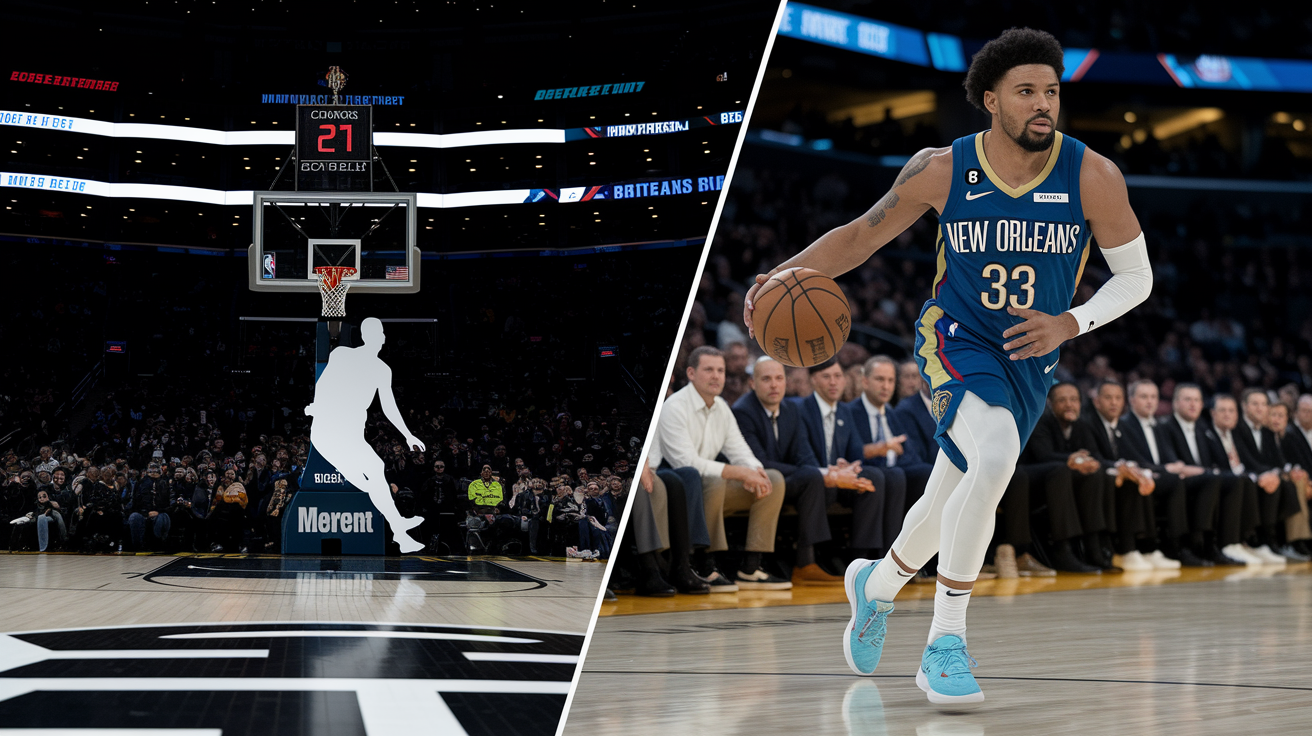
The Timberwolves lead the season series 2-1. The Pelicans won the most recent meeting 119-115 in February. Minnesota beat the Rockets 136-132 in their last outing, with Anthony Edwards contributing 22 and Terrence Shannon Jr. adding 23. New Orleans lost 144-118 to the Celtics, allowing 29 made threes.
The series has not produced rivalry-level intensity. Heavy rest and injury lists on both sides have diluted competitive stakes. Sustained rivalry potential would require both teams healthy and repeatedly meeting in consequential playoff contexts. Something this matchup doesn’t provide in its current form.
Statistical Comparison: Minnesota’s Two-Way Edge vs. New Orleans’ Young Scoring Burst
| Category | Timberwolves | Pelicans |
|---|---|---|
| Record | 48-33 | 26-55 |
| Home/Road Split | 25-15 at home | 9-31 on the road |
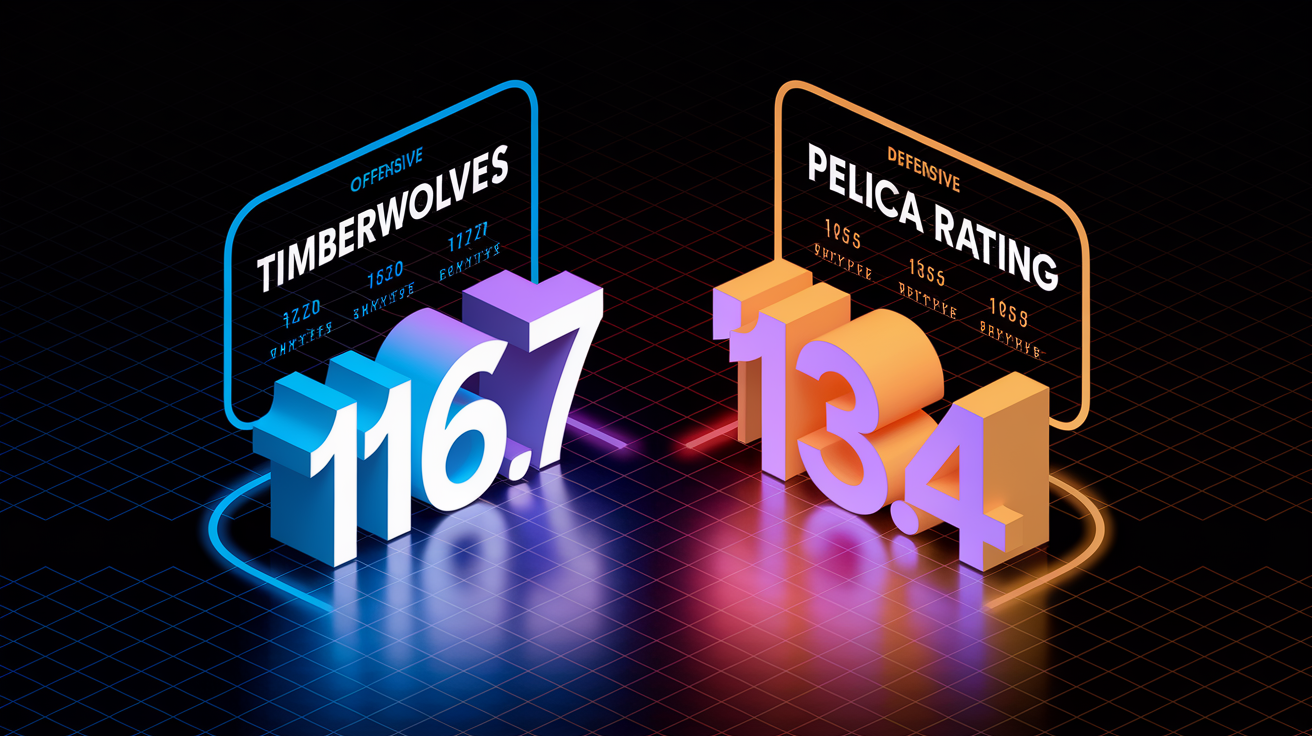
| Offensive Rating | 116.7 | 114.4 |
| Defensive Rating | 113.4 | 118.8 |
| Points Per Game | 117.8 | 115.4 |
| Field Goal % | 48.1% | Not listed |
| Three-Point % | 37.1% | 34.8% |
Minnesota holds clear two-way advantages. The 116.7 offensive rating and 113.4 defensive rating mark a balanced, playoff-caliber profile. The Pelicans’ 118.8 defensive rating reflects a season of absences, youth, and developmental lineups.
But New Orleans has recent high-scoring performances from young players that make this specific matchup more competitive than the season-long numbers suggest. Jeremiah Fears averaged 14.0 points, 3.6 rebounds, and 3.4 assists recently and dropped a 40-point game against the Jazz. Jordan Poole added 34 in the same game. Derik Queen posted a 17-point, 12-rebound line in another recent outing, averaging 11.5 points, 6.9 rebounds, and 3.7 assists over his recent stretch.
If those young scorers stay hot and Minnesota’s reserve defense struggles to rotate and contest, the gap compresses.
Why Minnesota Projects as the Favorite

Stronger season-long two-way profile. Better shooting baseline. Home-court advantage. Deeper two-way reserve balance.
Even with heavy rest of regulars, Minnesota’s reserves have played within a structured system all season. Donte DiVincenzo, Terrence Shannon Jr., and Jaylen Clark offer enough shooting, defense, and activity to maintain discipline and spacing. The coaching staff views this as a final tune-up to clean up details before the playoffs. An intent that favors disciplined performance rather than experimentation.
The home-court context matters. Minnesota is 25-15 at home. The crowd will show up. The building will have energy. The Wolves want to send their fans into the playoffs on a positive note.
Why New Orleans Can Push Back

No playoff pressure means freedom to play aggressively and experiment.
Young scorers are heating up. Fears’ 40-point game, Poole’s 34, and Queen’s 17-and-12 line show enough upside to make the matchup chaotic if shots fall early. The Timberwolves’ star absences compress the talent gap for this specific contest.
New Orleans can play loose, push pace, and hunt early offense without worrying about playoff seeding or rotation tightness. If Minnesota’s reserves lack urgency or struggle to match energy, the Pelicans could steal a late-season upset.
X-Factors to Monitor
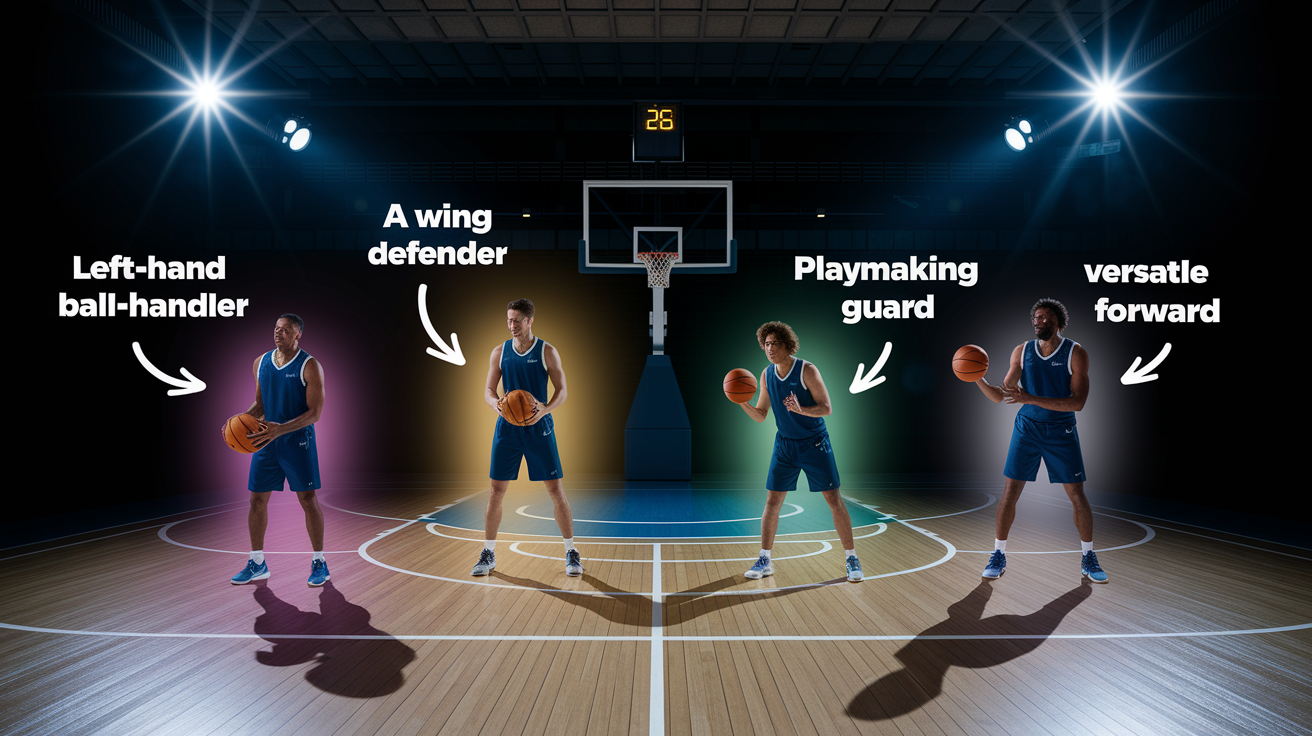
Terrence Shannon Jr.
Recent scoring burst. 33 against the Magic, 23 against the Rockets. If he attacks downhill early and forces help rotations, Minnesota controls tempo. If he settles for perimeter jumpers or struggles to finish through contact, the offense stagnates.
Jaylen Clark
Perimeter defense and activity can win extra possessions without high usage. His ability to stay connected on screens, contest without fouling, and provide effort on the glass will determine whether Minnesota’s defense holds up with a skeleton rotation.
Jeremiah Fears
Consistent creator with rookie scoring upside. The 40-point outburst against the Jazz shows game-breaking scoring potential. If he finds rhythm early and forces Minnesota to send extra help, New Orleans stays competitive.
Derik Queen
Rebounding and interior play. If he wins the frontcourt minutes and controls the glass, New Orleans stays competitive on second-chance points and transition opportunities. If Minnesota’s bigs rotate quickly and limit his touches, his impact shrinks.
Summer League Context and Long-Term Development Stakes
Game 82 isn’t the only data point for evaluating Minnesota’s young core.
The Timberwolves faced the Pelicans in Summer League on July 10, 2025, at 2:30 PM CDT at Thomas & Mack Center in Las Vegas. ESPN2 and FanDuel Sports Network North carried the broadcast. Anthony Edwards and other established vets didn’t play in Vegas.
Terrence Shannon Jr. was the oldest player on the Wolves’ Summer League roster. He showed late-season scoring form, including a 25-point comeback against the Thunder in February, and carried that aggression into the Vegas setting. His playing style, attacking the rim downhill and thriving in late-game aggression, earned him a projected 15 to 20 minutes per night to open the regular season in October.
Rob Dillingham was labeled electric with high upside. Elite handle and developing floater, but inconsistent decision-making. He was framed as a backup point guard candidate who must grow into organizing an offense while Mike Conley (age 37) can no longer be expected to carry heavy minutes for 82 games.
Jaylen Clark missed his rookie season with an Achilles tear, returned to provide strong defense and energy off the bench, and was profiled as a glue guy defensive wing who can carve out minutes at both the 2 and 3 spots with increased opportunity after Nickeil Alexander-Walker’s departure.
Joan Beringer, a first-round pick, was described as a very tall, long French prospect. Raw but with defensive instincts. His EuroCup numbers were cited: 1.1 blocks per game and a 107.5 defensive rating. The expectation was limited minutes in Summer League but flashes. Weak-side blocks, rim contests, putbacks as the primary development indicators.
The Wolves are paying the luxury tax and brushing against the second apron, which contributed to letting Nickeil Alexander-Walker go. That financial pressure emphasizes internal development necessity and the need to find cheap rotation pieces who can hold up in playoff games.
Summer League was framed as meaningful for internal development rather than a trophy chase. The key question was whether Shannon Jr., Clark, and Dillingham could become a reliable bench unit that helps in playoff games.
Pelicans Young Core Scouting: Zion, Ingram, and the Next Wave

The Pelicans’ young core revolves around Zion Williamson, Brandon Ingram, and Trey Murphy III when healthy. All three are out for Game 82.
Zion Williamson remains the franchise cornerstone. Explosive finisher, rim pressure, and rebounding upside. But durability concerns have followed him throughout his career. Right knee injury management keeps him out of this finale. When healthy, he creates mismatches with size, speed, and finishing ability. His ability to collapse defenses and create kick-out opportunities makes the Pelicans dangerous in transition and half-court settings.
Brandon Ingram offers length, shot creation, and mid-range scoring. He can operate as a primary ball handler or secondary creator. His perimeter shooting and pull-up game complement Zion’s rim pressure. When both are healthy and engaged, the pairing forces defenses to choose between rim protection and perimeter closeouts.
Trey Murphy III adds three-point shooting, defensive length, and switchability. His ability to space the floor, contest shots, and switch onto multiple positions makes him a crucial connective piece. Right ankle sprain keeps him out of Game 82. His absence removes a primary floor-spacing threat and forces the Pelicans to rely more heavily on guards and young bigs.
The next wave includes Jeremiah Fears, Derik Queen, and Jordan Poole.
Fears is a consistent creator with rookie scoring upside. His 40-point game against the Jazz showed game-breaking scoring potential. He averaged 14.0 points, 3.6 rebounds, and 3.4 assists recently. Numbers that suggest he can organize possessions, finish in traffic, and make plays for others. His development arc will determine whether the Pelicans have a long-term point guard solution or a high-usage scorer who struggles to run an offense.
Derik Queen posted 11.5 points, 6.9 rebounds, and 3.7 assists over his recent stretch. His interior scoring, rebounding, and passing presence give New Orleans a frontcourt option with playmaking upside. If he develops a consistent mid-range game and improves his rim protection, he could become a starting-caliber center. If he remains a tweener, too slow to defend perimeter players, too small to anchor the paint, his ceiling lowers.
Jordan Poole remains a high-variance scorer. His 34-point outburst showed his ceiling. His inconsistency and defensive limitations show his floor. The Pelicans need him to become a reliable secondary scorer who can space the floor and punish closeouts rather than a high-usage gunner who forces contested shots.
Direct Comparisons: Minnesota’s Structure vs. New Orleans’ Upside
| Category | Timberwolves | Pelicans |
|---|---|---|
| Primary Scorer | Anthony Edwards (established All-Star) | Zion Williamson (injury-dependent franchise player) |
| Secondary Creator | Julius Randle (veteran facilitator) | Brandon Ingram (mid-range scoring wing) |
| Floor Spacer | Donte DiVincenzo (38.0% 3PT) | Trey Murphy III (when healthy) |
| Defensive Anchor | Rudy Gobert (rim protection, switching) | Yves Missi (injured), Derik Queen (developing) |
| Young Upside Scorer | Terrence Shannon Jr. (15-20 MPG projection) | Jeremiah Fears (40-point upside, consistency TBD) |
| Developmental Guard | Rob Dillingham (elite handle, inconsistent decisions) | Jordan Poole (high variance, defensive limitations) |
| Glue Guy Wing | Jaylen Clark (defense, activity, Achilles recovery) | Herbert Jones (out), Saddiq Bey (resting) |
Minnesota’s young core is built around structure, two-way balance, and role clarity. The Wolves have a clear hierarchy. Edwards as the primary scorer, Gobert as the defensive anchor, Randle as the facilitator, and younger players filling defined roles. The development question is whether Shannon Jr., Dillingham, and Clark can become reliable playoff rotation pieces who hold up against elite competition.
New Orleans’ young core is built around upside, offensive firepower, and injury-dependent availability. When Zion, Ingram, and Murphy are healthy, the Pelicans have enough talent to compete with anyone. When injuries pile up, as they have this season, the floor collapses and the young players must carry heavy offensive loads before they’re ready.
The Timberwolves have a higher floor. The Pelicans have a higher ceiling if health breaks their way.
Coaching and Development Influence
Minnesota’s coaching staff views Summer League and end-of-season games as opportunities to evaluate depth and upside. Specific performance markers to watch are Shannon Jr.’s scoring aggressiveness, Dillingham’s playmaking and decision-making, Clark’s on-ball and team defense, and Beringer’s rim protection flashes.
The organization opted for continuity, cost control, and youth development rather than star trades. No major splash moves were reported heading into the offseason. The emphasis is on internal growth, role clarity, and building a playoff-caliber bench that can withstand injuries and matchup challenges.
New Orleans lacks the same developmental infrastructure. The Pelicans have cycled through coaches, front-office leadership, and roster constructions over the past three seasons. The result is a disjointed roster with high-end talent but little connective tissue. Young players receive opportunities by default rather than by design, and the coaching staff struggles to implement consistent schemes when the roster changes weekly due to injuries.
Playoff Trajectory Assessment: Short-Term and Long-Term Outlooks
0 to 3 Years
Minnesota enters the playoffs as a legitimate contender. The Wolves have a top-tier two-way profile, a clear hierarchy, and enough depth to withstand injuries. The question is whether the team can avoid late-game collapses, maintain defensive intensity through four rounds, and get enough secondary scoring from the bench to support Edwards and Randle.
New Orleans is unlikely to compete for a playoff spot in the next two seasons unless Zion stays healthy for extended stretches and the front office adds high-level role players. The current roster is too young, too injured, and too disconnected to sustain playoff-level play.
3 to 6 Years
Minnesota’s window depends on Edwards’ continued development and the team’s ability to manage the luxury tax and second apron constraints. If Shannon Jr., Dillingham, and Clark develop into rotation pieces who can play 15 to 20 minutes per night in the playoffs, the Wolves remain competitive. If those players stagnate or regress, Minnesota faces expensive decisions about extending veteran contracts or rebuilding around Edwards.
New Orleans’ window depends entirely on Zion’s health and the team’s ability to build around him. If Zion plays 70-plus games per season and the Pelicans add high-level shooters and defenders, the team becomes a playoff contender. If Zion remains injury-prone, the franchise faces another rebuild.
6 to 10 Years
Minnesota’s long-term outlook is tied to Edwards’ prime years and the organization’s willingness to pay the luxury tax. If Edwards continues improving and the front office surrounds him with cost-controlled talent, the Wolves remain competitive. If ownership refuses to pay repeater tax penalties, the team enters a slow decline.
New Orleans’ long-term outlook is tied to Zion’s durability and the franchise’s ability to draft and develop complementary talent. If Zion becomes a consistent 75-game-per-year player and the Pelicans hit on draft picks, the team competes for titles. If Zion’s injuries persist, the franchise starts over.
Rivalry Potential: What Would Need to Change
This matchup doesn’t currently produce rivalry-level intensity.
Heavy rest and injury lists on both sides dilute competitive stakes. The Pelicans are eliminated. The Timberwolves are locked into the 6-seed. Neither team has playoff implications riding on this game.
For a sustained rivalry to develop, both teams would need to be healthy, competitive, and repeatedly meeting in consequential playoff contexts. That requires:
- Zion staying healthy for 70-plus games per season.
- The Pelicans adding high-level shooters and defenders to complement Zion and Ingram.
- Minnesota maintaining its two-way profile and avoiding late-game collapses.
- Both teams meeting in the playoffs multiple times over a three to five year window.
Travel and division context add minor friction. Minnesota and New Orleans aren’t division rivals. They play twice per season under the current scheduling format. Neither fanbase views the other as a primary rival. The geographic distance and lack of shared history limit organic rivalry development.
The most likely path to rivalry is repeated playoff matchups where both teams are healthy and competitive. A seven-game series with multiple overtime games, close finishes, and star performances could plant the seeds. But that scenario requires both franchises to remain healthy and contending at the same time. Something that hasn’t happened in recent years.
Prediction and Score Projection
Timberwolves win, projected score Timberwolves 118, Pelicans 111.
Reasoning: home advantage, deeper two-way reserve balance, better season-long efficiency despite heavy rest of regulars.
Minnesota’s reserves have played within a structured system all season. The coaching staff wants a clean, disciplined finish to carry into the playoffs. The home crowd will provide energy. The Pelicans lack the defensive cohesion and role clarity to sustain stops against a balanced offensive attack.
New Orleans will stay competitive early if young scorers find rhythm and Minnesota’s defense lacks urgency. But the Wolves should pull away in the second half as rotations tighten and the home team imposes its defensive habits.
Season Takeaway and Playoff Framing
For two consecutive postseasons the Wolves walked off the floor in May. That means second-round exits or near-misses. The upcoming playoffs are the decisive proving ground.
Four rounds. Sixteen wins. No shortcuts.
The season is described as a drift with flashes of top-tier play but recurring lapses. Game 82 is chiefly about preservation and targeted evaluation rather than a competitive must-win. The real test begins in the playoffs where the team’s consistency and ability to become something more will be judged.
The existential question remains: good team or championship-ready.
Final Words
Right in the action, we tracked how Minnesota and New Orleans’ young pieces already change games and matchups.
The scouting report hit strengths, weaknesses, fit questions, and the role players who could swing playoff-style minutes. We flagged defensive gaps, playmaking trends, and which matchups favor each side.
If both squads keep developing, the timberwolves vs pelicans young cores scouting report and rivalry potential points to a spicy, must-watch duel in the years ahead, and that’s good news for fans.
FAQ
Q: Who is favored to win, Timberwolves or Pelicans?
A: The favored team between the Timberwolves and Pelicans depends on current betting lines, injuries, and venue; check live odds—if both are healthy, Minnesota’s depth often gives a slight edge.
Q: What does 50 Cent have to do with the Timberwolves?
A: 50 Cent has no formal role with the Timberwolves; most mentions come from social media or rumor. If any official connection appears, teams or credible reporters will confirm it.
Q: Is Kevon Looney getting traded to the Pelicans?
A: Kevon Looney is not confirmed to be getting traded to the Pelicans; no official deal announced. Monitor reliable beat reporters and team statements around the trade deadline for updates.
Q: Who is the Timberwolves’ biggest rival?
A: The Timberwolves’ biggest rival is generally the Denver Nuggets because of repeated divisional matchups; games with the Lakers and Jazz have been heated, but Denver usually tops the rivalry list.