
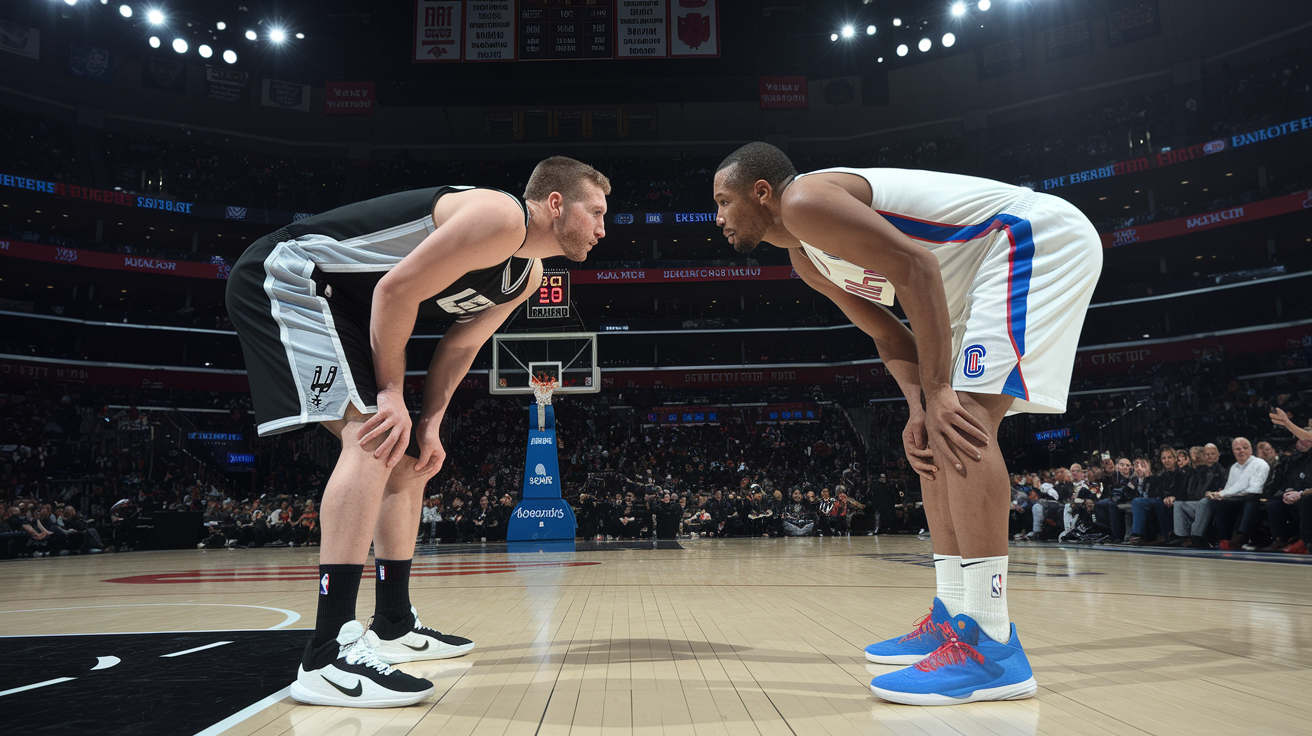

Controversial take: the Spurs vs Clippers rivalry looks nothing like it did a decade ago.
Coaching hires and blockbuster roster moves flipped matchups, strategies, and late-game control.
Popovich’s system-first Spurs now butt heads with a Clippers squad built around Kawhi and Paul George, while Victor Wembanyama rewired San Antonio’s approach.
That swap changed how both teams defend, who creates offense, and what winning a series really looks like.
This article maps that evolution and shows why these new faces changed everything.
How Spurs–Clippers Transformed Across Coaching and Roster Eras
The Spurs–Clippers rivalry changed from the early 2010s clash of San Antonio’s Big Three dynasty against Los Angeles’ high-flying Lob City into a modern matchup between Victor Wembanyama’s ascending Spurs and Kawhi Leonard and Paul George’s star-driven Clippers. What started as Tim Duncan’s fundamentals against Blake Griffin’s athleticism turned into a laboratory for system discipline versus elite isolation scoring. The Spurs’ April 2026 comeback from 25 down in their first meeting that season showed how the rivalry’s core tension sticks around even as the faces and philosophies completely flipped.
Gregg Popovich’s coaching continuity kept San Antonio’s defensive communication, spacing principles, and development-first culture stable across eras. The Clippers cycled from Doc Rivers’ structured sets to Tyronn Lue’s mismatch hunting. That coaching contrast shapes every meeting. Popovich still scripts defensive rotations to limit Kawhi and PG isolations, still demands extra passes and disciplined shot diets, and still develops young players like Carter Bryant into plus contributors. The Clippers shifted from CP3-orchestrated pick-and-roll to a system built around star creation, perimeter pressure, and exploiting mismatches with veteran role players like 37-year-old Brook Lopez deterring drives at the rim.
Roster decisions reshaped the rivalry’s competitive balance and tactical texture. Kawhi’s 2019 departure from San Antonio triggered the Spurs’ youth rebuild, which brought Wembanyama, De’Aaron Fox, Devin Vassell, and eventually Bryant. The Clippers’ simultaneous acquisition of Kawhi and trade for Paul George flipped them from playoff hopeful to title contender. Those moves turned a once-predictable Spurs advantage into a volatility-fueled modern rivalry where a 44–17 San Antonio squad can trail by 25 and still win because young talent execution meets veteran star inconsistency.
The matchup changes that followed:
Perimeter defense shifted from Spurs’ length and switching to Clippers’ ball-handler disruption that forced Castle, Fox, and Harper into difficult possessions. Rim deterrence moved from Duncan’s help rotations to Lopez lurking in the paint at 37 and discouraging drives. Three-point distribution evolved from Big Three balance to modern debates over whether Wembanyama should attempt 9 threes in 22 minutes or defer volume to Vassell and Julian Champagnie. Star-centric versus system-centric play became the rivalry’s tactical heartbeat, with Clippers isolating Kawhi and PG against Spurs’ collective execution and extra-pass offense. Late-game execution contrasts got exposed by San Antonio shooting 7-of-14 from the free-throw line and relying on comeback grit rather than closing discipline.
Coaching Philosophies and Tactical Identity Shifts Across the Rivalry
Popovich’s system-first approach stayed the Spurs’ foundation through every roster iteration. He emphasizes defensive communication, spacing that accommodates evolving talent, matchup discipline that forces opponents into uncomfortable actions, and player development that turns rookies like Bryant into rotation contributors with team-best numbers. His principles carry through even as the roster ages out and rebuilds, creating a rivalry identity anchored in execution, extra passes, and forcing turnovers through disciplined team defense. Popovich’s meticulous adjustments mean the Spurs enter every Clippers meeting with a scouting-driven blueprint to limit Kawhi’s mid-range and PG’s pull-up three.
The Clippers evolved from Doc Rivers’ structured offensive sets and playoff-tested rotations into Tyronn Lue’s isolation philosophy and mismatch creation. Lue’s system weaponizes Kawhi and PG’s two-way versatility, hunts favorable defensive assignments, and relies on star shot-making to overwhelm opponents rather than scripted ball movement. That shift accelerated after the Paul George trade, when the Clippers committed fully to a top-heavy roster built around elite individual talent and high-volume offense. Lue’s willingness to let stars dictate pace and shot selection stands in direct contrast to Popovich’s insistence on collective discipline, turning every Spurs–Clippers game into a philosophical referendum on how modern basketball should get played.
How Coaching Altered Tactical Priorities and On‑Court Adjustments
Defensive schemes shifted as the rivalry matured. The Spurs rely on Wembanyama’s length and improved switching to contest shots without fouling, but perimeter consistency remains a problem when Clippers guards apply ball pressure. San Antonio’s communication-heavy rotations aim to force turnovers and create transition opportunities, but Lopez’s rim deterrence and the Clippers’ veteran positioning neutralize drives. On offense, the Spurs adapted spacing for Wembanyama’s era by attempting to redistribute three-point volume away from him and Fox toward proven shooters like Vassell and Champagnie. Execution lags behind intent.
The Clippers’ defensive evolution under Lue prioritized perimeter pressure that disrupts ballhandlers and forces contested possessions. Their scheme in the 2026 comeback game showed how veteran defenders can harass Castle, Fox, and Harper for long stretches, creating turnovers and transition chances. Offensively, Lue’s approach leans heavily on isolation scoring, pick-and-roll with Kawhi and PG as primary creators, and mismatch hunting that exploits defensive rotations. Modern shot-diet thinking shapes the Clippers’ willingness to let stars take difficult threes and contested mid-range attempts, trusting elite talent to convert at efficient clips.
The rivalry’s tactical patterns now hinge on whether the Spurs’ system discipline can limit Kawhi and PG’s isolation volume and whether the Clippers’ perimeter pressure can force San Antonio into inefficient possessions. Popovich’s extra-pass offense and Lue’s star-centric creation represent opposing philosophies, and each game tests which model holds up under playoff-level intensity.
Spurs and Clippers Roster Evolutions and How They Changed Competitive Balance
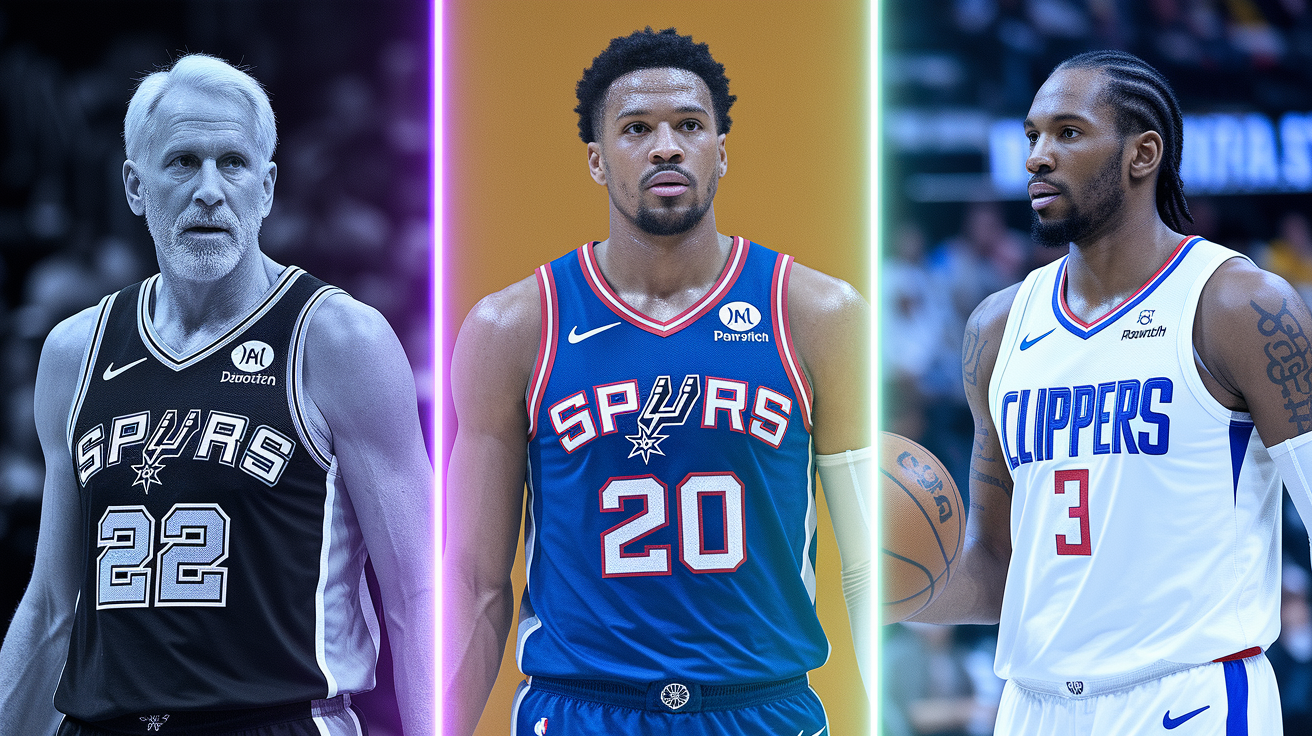
Kawhi Leonard’s 2019 departure from San Antonio triggered a complete Spurs rebuild around youth development and long-term sustainability. The organization shifted from veteran-led playoff contention to integrating Wembanyama as a defensive anchor, Fox as a secondary scoring option, Vassell as a reliable three-point threat, and Bryant as an emerging defensive presence. That youth-driven model replaced the Big Three’s championship continuity with a patient development timeline, accepting growing pains in exchange for future upside. The Spurs’ 44–17 record in 2026 showed the rebuild’s progress, but persistent issues like inconsistent three-point shooting and poor free-throw performance revealed the gap between potential and playoff readiness.
The Clippers transitioned from Lob City’s athleticism and CP3’s orchestration to a star-centric model built around Kawhi and Paul George. Those acquisitions required massive roster surgery, including the PG trade and surrounding stars with veteran role players who could defend, shoot threes, and execute in playoff settings. The Clippers accepted reduced depth and flexibility in exchange for elite two-way talent at the top of the roster. Their reliance on veteran cores, including late-career contributions from James Harden and Russell Westbrook in certain seasons, created a win-now urgency that contrasts sharply with San Antonio’s patient timeline.
Role players and veterans altered the rivalry’s competitive balance in specific ways. Brook Lopez’s rim deterrence at 37 gave the Clippers a defensive anchor who forced the Spurs into perimeter-heavy offense, exposing San Antonio’s three-point inconsistency. Spurs spacing issues stemmed partly from Wembanyama’s high three-point volume and Fox’s seven missed threes in the 2026 comeback game, while Clippers defenders like Nicolas Batum provided reliable 3&D contributions that stretched San Antonio’s defensive rotations. Bryant’s team-best plus-11 in limited minutes showed how young Spurs role players can stabilize lineups, but depth gaps remain when veterans like Harrison Barnes approach contract expiration.
| Player Move | Team | Impact on Rivalry | Season |
|---|---|---|---|
| Kawhi Leonard signed as free agent | Clippers | Shifted rivalry from Spurs advantage to competitive balance; added elite two-way star | 2019 |
| Paul George acquired via trade | Clippers | Created star duo that forced Spurs to adjust defensive schemes and matchup priorities | 2019 |
| Victor Wembanyama drafted | Spurs | Anchored youth rebuild; became defensive centerpiece and spacing experiment | 2023 |
| Veteran defenders and shooters added | Clippers | Provided perimeter pressure and rim deterrence that exploited Spurs spacing inconsistencies | Ongoing |
Era-by-Era Breakdown of Spurs–Clippers Rivalry Intensity
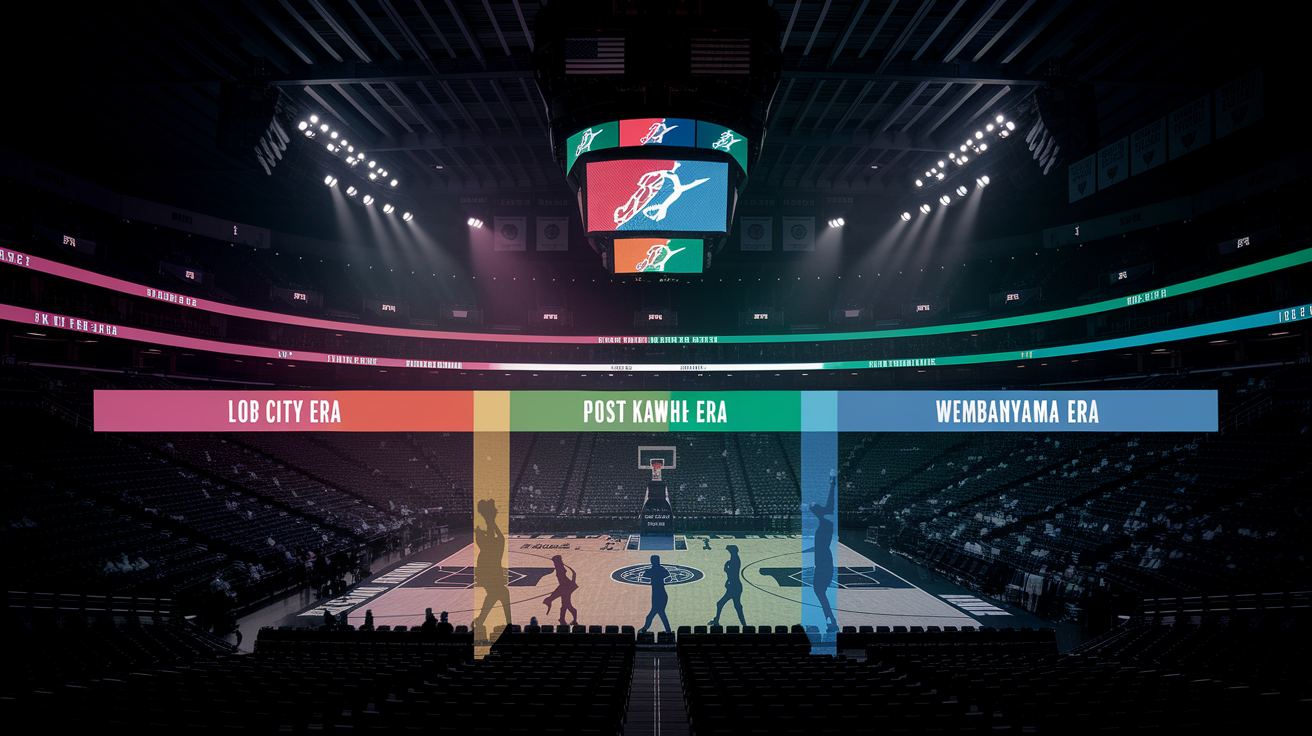
The early 2010s Lob City versus Big Three era defined the rivalry’s first competitive peak. San Antonio’s championship continuity and defensive discipline clashed with the Clippers’ athleticism and CP3’s offensive creativity, producing playoff intensity even in regular-season meetings. The Spurs’ veteran dominance generally controlled the head-to-head, but individual games carried playoff implications and homecourt advantage stakes that elevated every possession.
The post-Kawhi youth movement marked a significant intensity drop as the Spurs entered rebuilding mode and the Clippers retooled around their new stars. The first Wembanyama-era meetings reintroduced competitive balance, with San Antonio’s young core learning to execute against elite two-way talent. The April 2026 comeback from 25 down showed how the rivalry regained volatility, with the Spurs’ 44–17 record putting them within range of homecourt advantage and the Clippers’ veteran stars facing execution inconsistency.
Key era markers that shaped rivalry intensity:
Lob City playoff duels in the early 2010s when Blake Griffin’s athleticism met Tim Duncan’s fundamentals and every game tested championship execution. Kawhi joining the Clippers in 2019 immediately flipped the rivalry’s competitive balance and created narrative tension around his Spurs departure. The Spurs youth movement integrating Wembanyama, Fox, and Vassell replaced veteran dominance with development timelines and growing pains.
The first Wembanyama-era meeting showed how San Antonio’s young talent could challenge Kawhi and PG but still struggled with spacing and free-throw execution. The 2026 comeback win exposed both teams’ vulnerabilities, with the Spurs revealing persistent tactical issues and the Clippers showing late-game inconsistency despite a 25-point lead. Homecourt advantage fluctuations tied to the Spurs chasing Oklahoma City’s 15-loss record while sitting eight loss-column games clear of fifth-placed Denver, making every Clippers meeting a seeding opportunity.
Player Matchups That Defined Shifts in Rivalry Dynamics
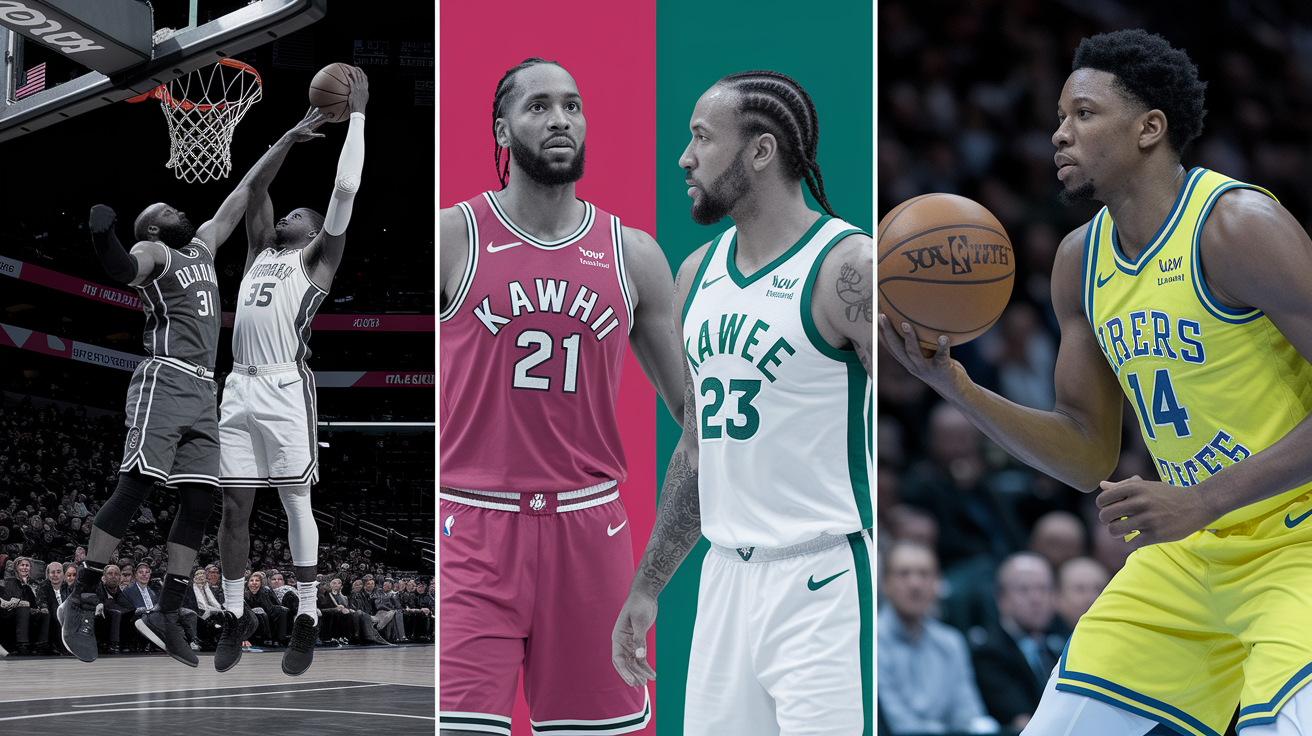
The evolution from superstar duels to developmental experiments reshaped how individual matchups drive rivalry narratives. Tim Duncan’s low-post fundamentals against Blake Griffin’s above-the-rim athleticism anchored the early rivalry, creating a stylistic contrast that defined possessions and forced coaching adjustments. Kawhi’s brief Spurs tenure introduced a two-way wing matchup against CP3-era Clippers guards, though Leonard’s departure before the rivalry fully matured left that chapter incomplete.
From Big Three vs Lob City to Wemby vs Kawhi/PG
Modern matchups center on Wembanyama’s versatility against Paul George’s scoring and Kawhi’s two-way dominance.
Duncan versus Griffin established the rivalry’s foundational identity as fundamentals challenging athleticism, with low-post positioning battles and defensive rotations defining playoff-intensity possessions. Kawhi versus CP3-era wings introduced perimeter two-way excellence into the matchup matrix, though Leonard’s 2019 departure shifted that dynamic before it reached full competitive maturity.
Wembanyama versus Paul George became the rivalry’s new centerpiece, with Wemby’s 22 minutes and 4-of-9 three-point shooting in the 2026 game showing both his offensive versatility and the shot-diet questions that follow him. Fox versus Clippers guards highlighted the Spurs’ secondary-option struggles, with Fox missing seven threes but still fulfilling his role while facing perimeter defenders who disrupted rhythm and forced contested shots. Vassell and Champagnie versus Clippers perimeter defenders created the spacing battle that determines San Antonio’s offensive efficiency, with Champagnie’s efficient 20 points in the comeback game proving the value of redistributing three-point attempts toward proven shooters.
Statistical Trends Showing How the Rivalry Shifted Over Time
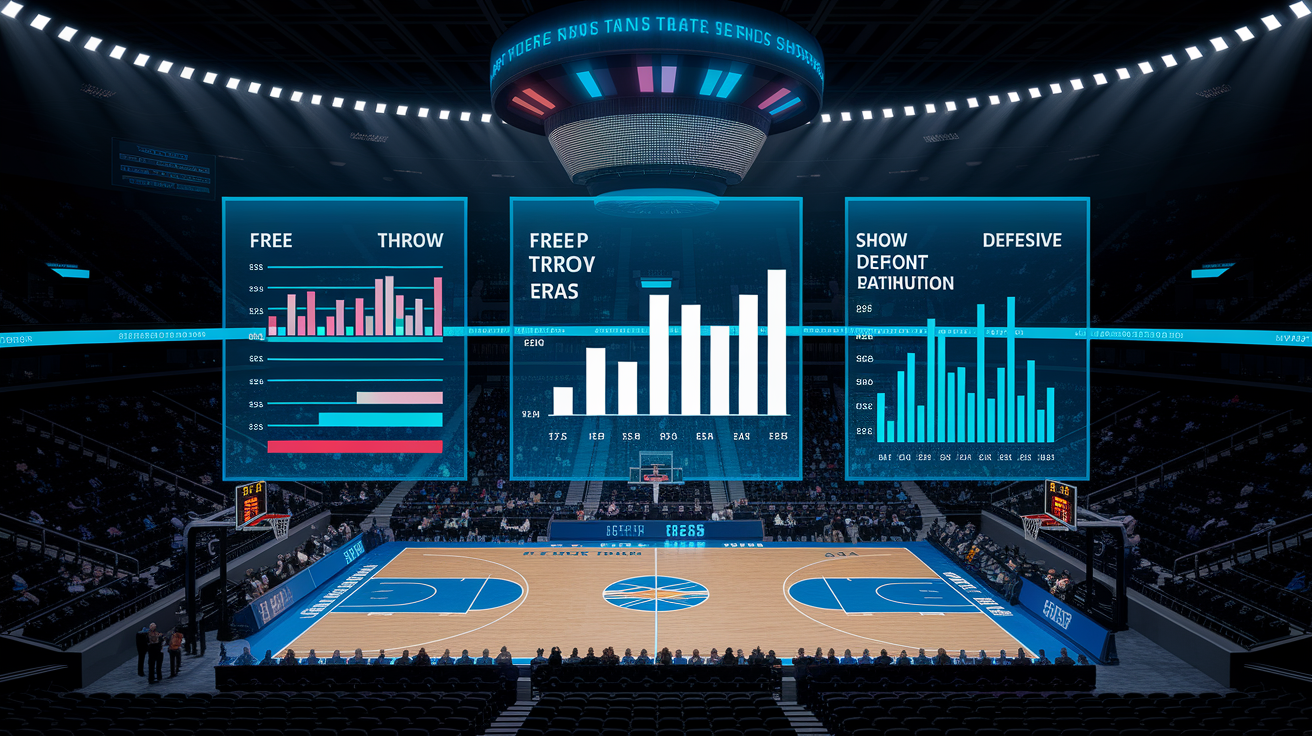
Free-throw shooting and three-point distribution became critical statistical indicators of rivalry outcomes. The Spurs’ 7-of-14 performance from the charity stripe in the 2026 comeback game and sub-60 percent shooting against Toronto raised the specter of “Hack-a-Spur” playoff tactics unless execution improves. Three-point inconsistency across the roster, with Wembanyama attempting nine deep shots in 22 minutes and Fox missing seven, exposed spacing vulnerabilities that Clippers perimeter defenders exploited. San Antonio’s 44–17 record context showed overall competitiveness, but individual-game execution gaps revealed persistent issues.
Defensive rating comparisons shifted as the rivalry matured. The Big Three Spurs consistently held Lob City to below-average offensive efficiency through disciplined rotations and help defense, while the Clippers’ athleticism created transition opportunities that tested San Antonio’s aging core. Post-Kawhi, the Spurs’ defensive rating declined as the youth movement learned NBA spacing and communication, allowing the Clippers to exploit mismatches and generate efficient looks. The Wembanyama era restored rim protection and length-based switching, but perimeter consistency remains a problem when Clippers guards apply ball pressure and veteran role players like Lopez deter drives.
| Season | Offensive Trend | Defensive Trend | Rivalry Result Pattern |
|---|---|---|---|
| Lob City era (early 2010s) | Spurs controlled pace with ball movement; Clippers relied on CP3 pick-and-roll and Griffin lobs | Spurs’ help defense limited athleticism; Clippers struggled to contain Big Three execution | Spurs dominated head-to-head through system discipline |
| Post-Kawhi Spurs decline (2019–2023) | Spurs experimented with young talent; Clippers isolated Kawhi and PG for high-volume scoring | Spurs’ defensive rating dropped; Clippers improved perimeter pressure under Lue | Clippers held advantage as Spurs rebuilt |
| Kawhi/PG Clippers era (2019–present) | Clippers’ star-centric offense peaked; Spurs struggled with spacing and shot selection | Clippers’ veteran defenders disrupted ballhandlers; Spurs’ switching improved with Wembanyama | Competitive balance restored with volatility |
| Wembanyama Spurs era (2023–present) | Spurs experimenting with Wemby’s shot diet; Clippers maintained isolation-heavy approach | Spurs’ rim protection and length improved; perimeter consistency lagged; Clippers used Lopez deterrence | Spurs capable of comebacks but showed execution issues |
Front Office Decisions and Their Ripple Effects on Rivalry Stakes
San Antonio’s front office committed to long-term development over short-term competitiveness when rebuilding around Wembanyama. The decision to integrate young talent like Carter Bryant and evaluate veterans like Harrison Barnes on expiring contracts reflected a patient timeline that accepts growing pains. Bryant’s emergence as a candidate for “the future four” showed how the Spurs plan rotation succession, with his team-best plus-11 in limited minutes validating the development approach. The organization’s willingness to experiment with shot diets, redistributing three-point attempts away from Wembanyama and Fox toward Vassell and Champagnie, revealed a front office aligned with coaching adjustments even when execution lags.
The Clippers’ front office bet on win-now roster construction by surrounding Kawhi and PG with veterans who could contribute immediately. Decisions like evaluating Nicolas Batum’s team option at age 37 illustrated the organization’s willingness to retain reliable 3&D contributors even at advanced ages. The addition of Brook Lopez (37) as a rim deterrent showed how the Clippers prioritize specific skill sets that neutralize opponents’ strengths, in this case forcing the Spurs away from drives and into perimeter-heavy offense. Those veteran-heavy roster moves create cap inflexibility and reduce future draft capital, but the front office accepted those tradeoffs to maximize the Kawhi/PG championship window.
Salary cap strategy diverged sharply between the two franchises. The Spurs maintained flexibility by avoiding long-term veteran contracts and keeping rookie-scale deals as core roster pieces, which allows them to pivot if development timelines stall. The Clippers committed massive cap space to star salaries and veteran minimums, limiting their ability to adjust if injuries or decline affect key contributors. That strategic contrast means Spurs-Clippers rivalry stakes shift with each front office decision, as San Antonio’s patient rebuild races against the Clippers’ aging star window.
Leadership, Culture, and Locker Room Dynamics Driving Rivalry Changes
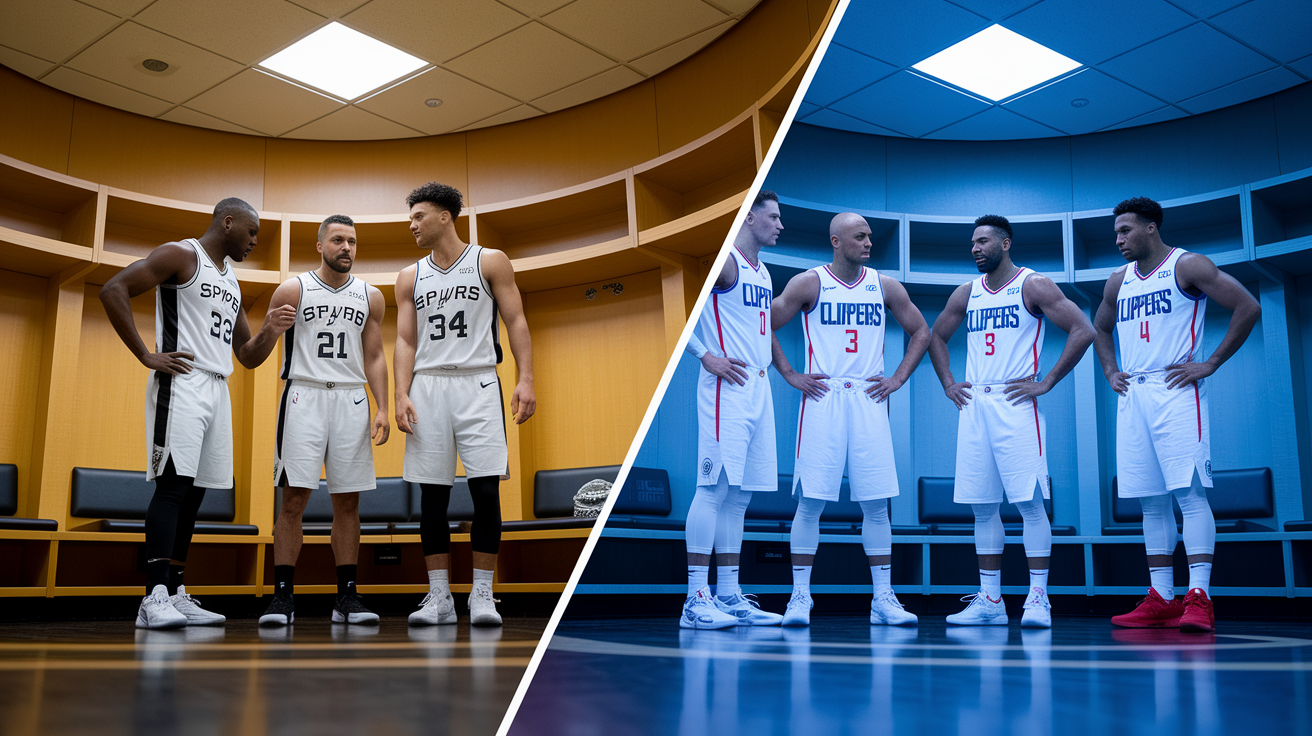
The Spurs’ locker room culture centers on veteran mentorship from Chris Paul and Harrison Barnes guiding young talent through development timelines and playoff preparation. That leadership structure creates stability even as the roster turns over, with Bryant and other rookies learning the organization’s defensive communication standards and extra-pass offensive principles. Popovich’s coaching influence shapes locker room dynamics by demanding accountability, rewarding collective execution over individual highlights, and maintaining championship-level standards regardless of win-loss record.
The Clippers built their culture around Kawhi and Paul George’s veteran star leadership, trusting elite two-way talent to set tone and expectations. That top-down approach relies on stars modeling professionalism and playoff intensity, with role players like Batum and Lopez reinforcing those standards through consistent execution. The Clippers’ locker room shifted from Doc Rivers’ vocal leadership style to Tyronn Lue’s player-empowerment approach, creating a culture where stars have significant input on rotations, shot selection, and game strategy.
Cultural differences that drive rivalry tone:
Spurs’ emphasis on development and long-term growth versus Clippers’ win-now urgency and championship-window pressure. Veteran leadership role changes, with San Antonio relying on Paul and Barnes mentorship while the Clippers depend on Kawhi and PG to model two-way excellence. Mentoring structures, where young Spurs talent receives constant feedback and skill development while Clippers role players adapt to star-driven systems. Coaching influence on accountability, with Popovich demanding collective discipline and Lue empowering individual creation within structured principles.
Future Outlook for the Spurs–Clippers Rivalry After Continued Coaching and Roster Transitions
The Spurs’ experimentation with Wembanyama’s shot diet and Fox’s role will determine whether San Antonio can close the execution gap exposed in the 2026 comeback win. Redistributing three-point attempts toward Vassell and Champagnie while increasing lobs to Wembanyama and pull-up midrange shots for Fox represents the tactical blueprint, but implementation requires buy-in and repetition. Carter Bryant’s development as a potential sophomore starter and the front office’s decisions on Barnes’ expiring contract will reshape rotations and competitive balance heading into future seasons.
The Clippers face aging-star realities as Kawhi, PG, Lopez, and Batum navigate late-career production curves. The organization must decide whether to extend the current roster’s championship window with additional veteran moves or pivot toward younger contributors who can sustain competitiveness beyond the star era. Tyronn Lue’s coaching adjustments around star decline, including load management and lineup experimentation, will test whether the Clippers can maintain their isolation-heavy identity or adapt toward more balanced offensive systems.
The rivalry’s future trajectory hinges on whether the Spurs’ youth development outpaces the Clippers’ star decline. San Antonio’s patient rebuild could position them as Western Conference contenders by the time Kawhi and PG age out of elite production, flipping the competitive balance once again. The Clippers’ front office decisions on veteran retention versus roster refresh will determine how long they can challenge the Spurs’ emerging core. Coaching stability, with Popovich’s eventual succession and Lue’s tenure security, adds uncertainty that could reshape tactical identities and rivalry dynamics within the next few seasons.
Down 25, Spurs rallied in 2026, a perfect snapshot of how this matchup keeps changing. We traced the shift from Lob City and the Big Three to Kawhi/PG and the Wembanyama-era duels, and why those eras matter.
Popovich’s steady system has kept the Spurs grounded while the Clippers’ coaching swaps and star moves pushed LAC toward mismatch-driven, star-first basketball.
If you’re tracking the spurs vs clippers rivalry evolution after coaching and roster changes, expect more tight, high-stakes games — both teams are building, and the best chapters are still ahead.
FAQ
Q: Why did clippers get rid of SGA?
A: The Clippers got rid of SGA (Shai Gilgeous‑Alexander) mainly due to roster fit, salary-cap strategy, and long‑term planning—prioritizing star alignment and flexibility over keeping him on the roster.
Q: Who is the greatest clipper player of all time?
A: The greatest Clipper player is debated; many point to Chris Paul or Blake Griffin for modern impact, while older franchise stars like Bob McAdoo are often mentioned as historical standouts.
Q: What percentage of the San Antonio Spurs does Michael Dell own?
A: Michael Dell does not publicly own a reported percentage of the San Antonio Spurs; there’s no official record showing him as a Spurs equity holder.
Q: Who is the greatest Spurs player of all time?
A: The greatest Spurs player of all time is Tim Duncan, praised for five championships, elite defense, and steady leadership that defined the franchise for nearly two decades.