
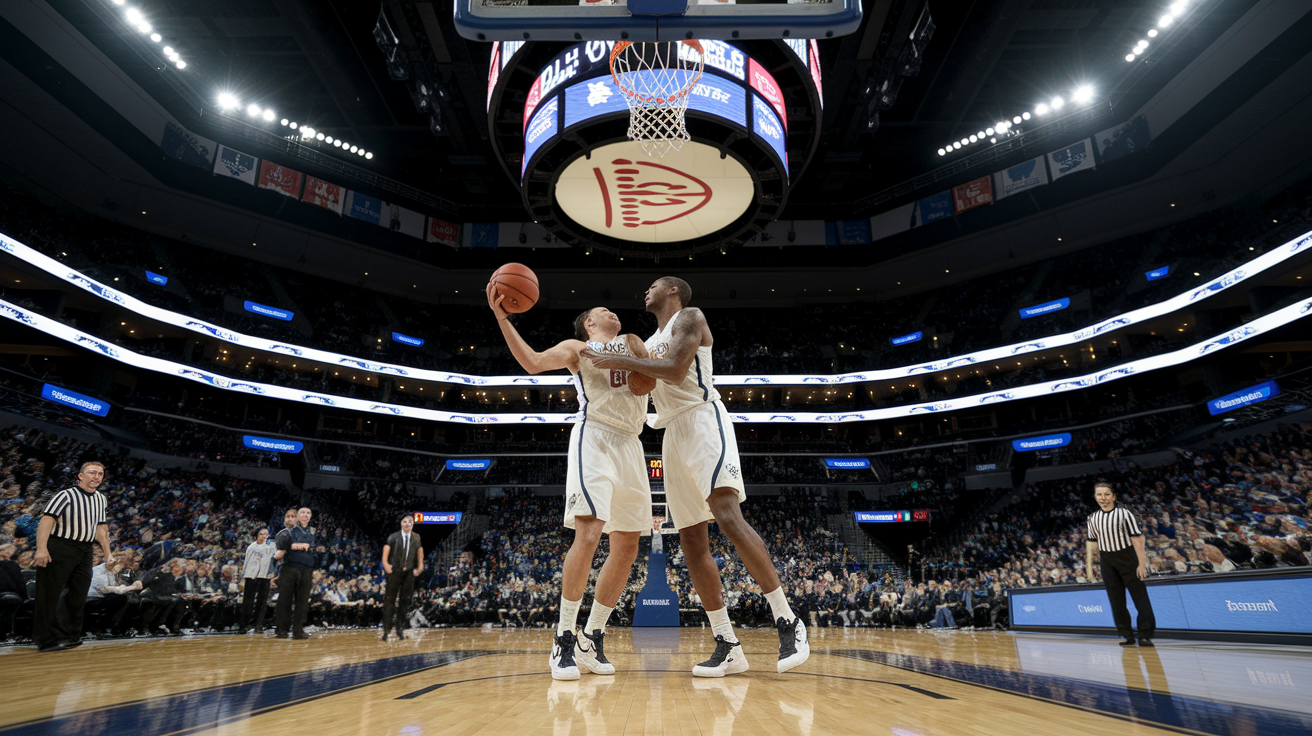

Is the Sixers vs Raptors rivalry really just a highlight reel of buzzer-beaters?
Forget regular-season records, it’s decided in the final possession.
From Iverson’s 52-point nights to Kawhi’s four-bounce Game 7 winner and Embiid’s 0.9-second dagger, these playoff meetings hinge on single plays.
This piece revisits those clutch moments and breaks down the tactics behind them: spacing, screen choices, inbound sets, late-clock reads and defensive counters.
If you want to know how one pass, switch, or shot flipped a series, read on.
High-Stakes Overview of the Sixers vs Raptors Rivalry and Its Defining Clutch Playoff Moments
The Sixers vs Raptors rivalry lives and dies in the final seconds of elimination games. Vince Carter’s missed corner jumper in 2001. Kawhi Leonard’s four-bounce Game 7 buzzer-beater in 2019. The playoff meetings between Philadelphia and Toronto have built a catalog of high-pressure possessions that separate championship runs from offseason regret. Both franchises share the same pattern: tight seven-game series, superstar-led scoring duels, final possessions that hang on single shots. Allen Iverson draining back-to-back clutch threes. Joel Embiid banking in an overtime dagger with under a second on the clock. Jimmy Butler tying a Game 7 in the final moments only to watch Leonard end it. Every playoff chapter between these two teams comes down to execution when the margin for error disappears.
Leonard’s fadeaway over Embiid remains the rivalry’s most iconic moment. Ball tied 90-90, Leonard caught the inbound near the right corner, squared his shoulders, launched a high-arcing shot that kissed every part of the rim. Four full bounces. Then it dropped through as time expired. That single possession sent the Raptors to the Eastern Conference Finals and eventually their first championship. It also marked the second straight 4-3 series between the two clubs, mirroring the 2001 Eastern Conference Semifinals when Iverson’s 52-point eruption in Game 5 and Carter’s late miss in Game 7 gave Philadelphia the series win at 88-87. Embiid added his own signature play in 2022, catching an inbounds pass from Danny Green with 0.9 seconds left in overtime and hitting a turnaround three to push the Sixers to a 3-0 series lead. Shot taken and made in Toronto under full defensive attention.
These moments established the matchup as one of the Eastern Conference’s tightest postseason battles. Preparation, star power, and late-game composure decide everything. The rivalry isn’t defined by regular-season dominance or blowouts. It lives in the final minute, the final possession, the final bounce.
Key Clutch Moments
- May 11, 2001 – Game 7, Philadelphia wins 88-87: Vince Carter misses corner jumper with under one minute remaining, Sixers advance
- May 12, 2001 – Game 5, Iverson’s 52-point performance: Consecutive clutch three-pointers extend Philadelphia’s lead in critical road game
- May 12, 2019 – Game 7, Kawhi Leonard’s buzzer-beater: Four-bounce fadeaway over Embiid ends series 90-90, sends Toronto to Conference Finals
- April 20, 2022 – Game 3 overtime, Joel Embiid’s game-winner: Turnaround three with 0.9 seconds left, Sixers go up 3-0 in first round
- May 12, 2019 – Game 7, Jimmy Butler’s tying layup: Butler ties game 90-90 in final seconds before Leonard’s winner
- 2007 Regular Season – Chris Bosh buzzer-beater: Bosh hits go-ahead three at buzzer to beat Philadelphia by one
Playoff Series History Within the Sixers vs Raptors Rivalry
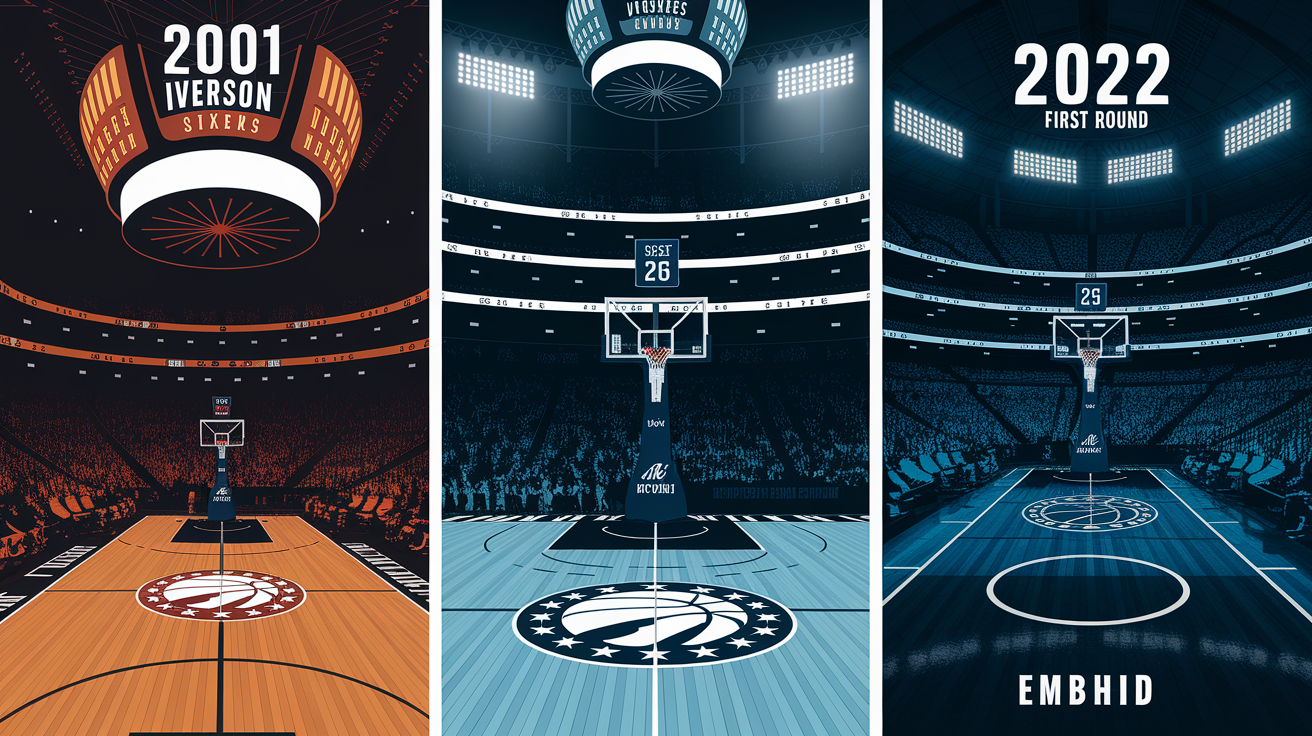
The Sixers and Raptors have met three times in the postseason. Each series reflects a different era of Eastern Conference basketball. The first clash came in the 2001 Eastern Conference Semifinals, when Philadelphia edged Toronto 4-3 behind Allen Iverson’s 33.7 points per game and a Game 7 defensive stand that forced Vince Carter into a late miss. Carter averaged 30.4 points per game for the series, including one 50-point performance, but the Sixers advanced on the strength of Iverson’s two 50-point games and Aaron McKie’s 22-point Game 7 effort while Iverson dished out 16 assists.
The rivalry resumed in the 2019 Eastern Conference Semifinals. Another seven-game war that flipped the outcome. Toronto won 4-3, powered by Kawhi Leonard’s 34.7 points and 9.9 rebounds per game on 53 percent shooting from the field. Joel Embiid posted 33 points in Philadelphia’s Game 3 win, and Jimmy Butler added 22 in the same contest. But Leonard’s 39-point Game 4 performance in Toronto and his Game 7 buzzer-beater sealed the series. Philadelphia forced a deciding game by winning at home in Game 6. The final possession belonged to Leonard’s fadeaway.
The 2022 first-round matchup marked the third playoff meeting and the second in four postseasons. Philadelphia entered as the No. 4 seed, Toronto as the No. 5. Another high-stakes series defined by star talent and defensive intensity. The pattern held: tight margins, superstar scoring, late-game execution determining every result.
| Series | Result | Top Scorer (Series) | Notable Clutch Moment |
|---|---|---|---|
| 2001 Eastern Conference Semifinals | Sixers 4-3 | Iverson 33.7 PPG | Vince Carter’s late Game 7 miss |
| 2019 Eastern Conference Semifinals | Raptors 4-3 | Leonard 34.7 PPG, 9.9 RPG | Leonard’s four-bounce buzzer-beater |
| 2022 First Round | Sixers 4-2 | Embiid (series leader) | Embiid’s 0.9-second OT three |
Tactical Breakdown of Sixers vs Raptors Late-Game Offense
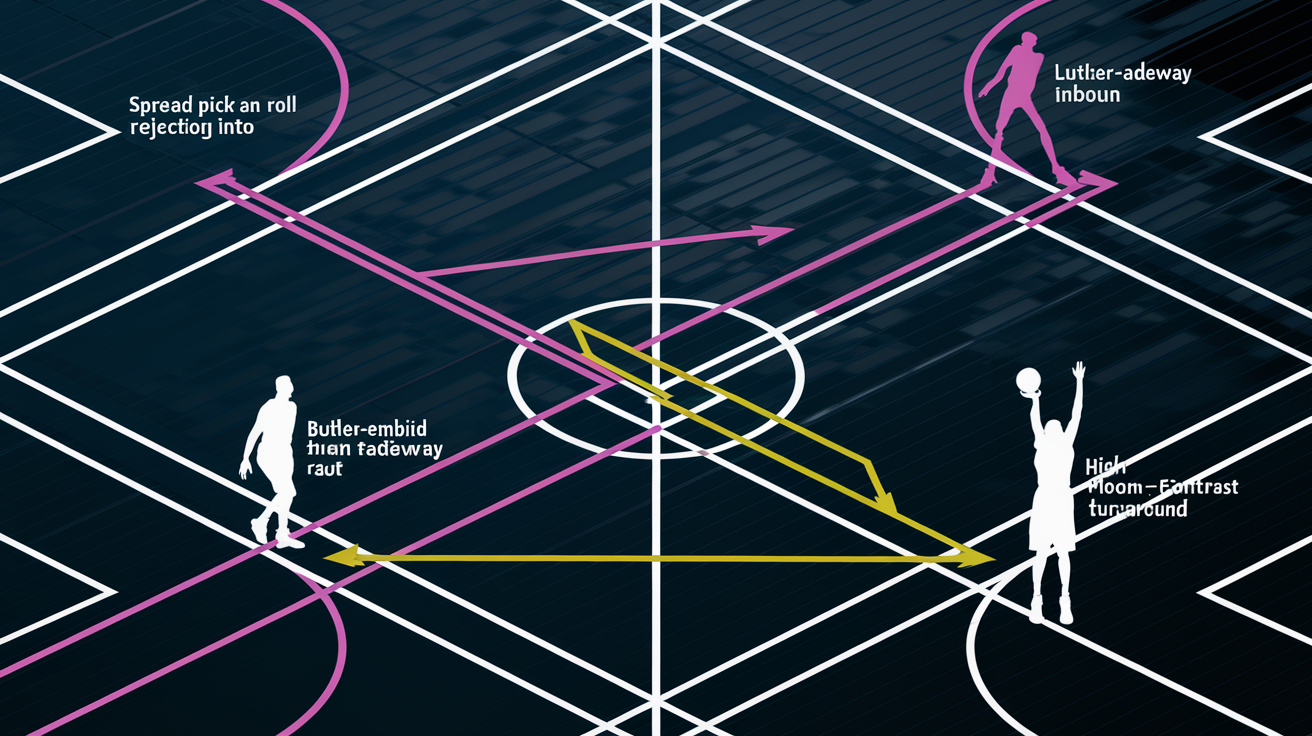
Philadelphia’s late-game offense across all three playoff series leaned heavily on isolation sets designed to create one-on-one scoring chances for their primary option. In 2001, that meant clearing out for Iverson at the top of the key. Let him attack downhill or pull up off the dribble. Iverson’s consecutive clutch three-pointers in Game 5 came from spread pick-and-roll actions where he rejected the screen and fired from deep with a live dribble. In 2019, the Sixers ran two-man actions between Butler and Embiid. Embiid as a screener at the elbow before slipping to the post or popping for a midrange look while Butler drove baseline. Butler’s tying layup in Game 7 came off a baseline cut after Toronto’s defense overcommitted to Embiid in the paint. In 2022, the Embiid overtime winner was pure end-of-clock execution. Danny Green’s inbound pass to the near wing, Embiid catching in rhythm, turnaround three over hard closeout pressure with 0.9 seconds left.
Toronto’s late-game creation revolved around Kawhi Leonard’s ability to generate his own shot from any spot on the floor and Kyle Lowry’s playmaking to manipulate defensive rotations. Leonard’s Game 7 buzzer-beater started with a sideline inbound, a static catch near the right corner, slow-developing fadeaway over Embiid’s outstretched contest. The play worked because Toronto spaced the floor to eliminate help, forcing a pure one-on-one matchup. Lowry’s role in crunch time was to probe the defense with dribble penetration, draw two defenders, kick out to shooters or dump off to big men rolling to the rim. In 2019, the Raptors also used delay sets in the final two minutes. Running the shot clock down to under seven seconds before initiating action, limiting Philadelphia’s transition opportunities and forcing defensive breakdowns late in possessions.
Spacing principles dictated success for both teams. Philadelphia’s reliance on Embiid in the post forced Toronto to collapse help defenders, opening corner threes when the Sixers swung the ball. Toronto countered by switching all screens and denying Embiid early post touches, forcing Philadelphia into contested midrange jumpers and isolation attempts from secondary creators. Screen action in the final minute often featured slip screens rather than hard rolls. Designed to catch help defenders leaning and create quick passing windows. End-of-clock counters included step-back threes from Iverson, Butler, and Embiid, each using hesitation dribbles and body fakes to create just enough space for a clean release.
Signature Late-Game Offensive Plays
- Iverson’s spread pick-and-roll rejection into pull-up three, used twice in Game 5 2001 to extend Philadelphia’s lead
- Leonard’s right-side fadeaway setup from sideline inbound, maximum floor spacing to eliminate help, one-on-one vs Embiid in Game 7 2019
- Butler-Embiid two-man baseline cut action, Embiid as decoy in short corner, Butler slashing for tying layup in 2019 Game 7
- Embiid’s 0.9-second catch-and-shoot turnaround three from the wing, inbound directly to shooter off quick screen in 2022 overtime
- Lowry’s shot-clock delay penetration and kick-out to corner shooters, used to drain clock and create last-second scramble situations
Defensive Schemes That Shaped the Sixers vs Raptors Rivalry
Philadelphia’s defensive identity centered on rim protection anchored by Joel Embiid. His ability to contest shots at the basket forced Toronto into difficult finishes in the paint. Embiid frequently dropped on pick-and-roll coverage, daring ball handlers to take pull-up jumpers while staying close enough to recover to the roller. In the 2019 series, Toronto countered with aggressive switching on the perimeter and help defense designed to collapse on Embiid whenever he touched the ball in the post. Forcing him into tough turnovers or contested passes out of double teams. Toronto’s scheme often sent a hard double the moment Embiid received the ball below the free-throw line, rotating a wing defender from the weak side and scrambling to recover to shooters if Embiid kicked out.
The 2001 series relied on physical perimeter pressure. Both teams playing tight on-ball defense and using hand-checking to disrupt rhythm. Philadelphia pressured Vince Carter into contested looks by sending late help from the weak side, forcing him into difficult shot angles. Game 7 2019 featured aggressive traps on Jimmy Butler in the final minutes, with Toronto sending two defenders to the ball whenever Butler drove middle. Betting that Philadelphia’s role players couldn’t punish the open man. The strategy worked because the Sixers’ supporting cast shot poorly from three. Butler was forced into tough kick-out passes under full defensive attention.
Key Defensive Adjustments in Clutch Possessions
- Raptors’ collapsing help defense on Embiid’s post touches, forcing turnovers and contested passes in the final two minutes of close games
- Sixers’ drop coverage on Leonard’s pick-and-roll actions, forcing contested midrange jumpers and limiting rim attempts
- Toronto’s aggressive switching scheme on all screens in the final minute, eliminating mismatches and forcing isolation scoring
- Philadelphia’s weak-side help rotations designed to trap Carter and Leonard on drives, gambling on role-player shooting to stay cold
Coaching Adjustments and Strategic Decisions in Sixers vs Raptors Playoff Battles
Nick Nurse’s Game 7 adjustments in 2019 centered on maximizing Kawhi Leonard’s touches while limiting Philadelphia’s transition opportunities. Nurse shortened his rotation to eight players. Trusting Leonard, Kyle Lowry, Pascal Siakam, Marc Gasol, and a tight supporting cast to execute in half-court sets. He called frequent timeouts in the final four minutes to draw up specific plays, including the final possession that resulted in Leonard’s buzzer-beater. Nurse also adjusted defensive coverages to eliminate Joel Embiid’s early post touches. Sending immediate double teams and forcing Philadelphia into perimeter-oriented offense where the Sixers’ shooting percentages dropped. His decision to keep Gasol on the floor in crunch time provided both rim protection and high-post playmaking, giving Toronto a secondary facilitator when Lowry was pressured.
Philadelphia’s coaching staff across the 2001 and 2019 series leaned on two-man actions between their star players. In 2001, Larry Brown trusted Allen Iverson to create in isolation while surrounding him with defenders and rebounders. Strategy that worked because Iverson’s volume scoring stretched Toronto’s defense. In 2019, Brett Brown utilized Butler-Embiid pick-and-roll sets in the final minutes, trusting Butler’s decision-making to either attack the rim or find Embiid rolling to the basket. Brown also adjusted his rotations to keep Embiid on the floor despite foul trouble. Gambling that his rim protection outweighed the risk of fouling out. In the 2022 series, Doc Rivers made critical late-game substitutions, inserting defensive specialists to guard Toronto’s primary scorers and pulling offensive-only players in the final two minutes to avoid defensive mismatches.
Matchup hunting became a defining strategic decision in all three series. Philadelphia hunted switches to isolate slower defenders on Iverson, Butler, and Embiid. Using repeated pick-and-roll actions until they forced the matchup they wanted. Toronto countered by switching everything, refusing to give up the mismatch and forcing Philadelphia into contested one-on-one scoring. Timeout-driven play design often swung close games, with both teams using their final timeouts to advance the ball, set up specific scoring actions, rest key players for final possessions.
Notable Late-Game Coaching Decisions
Nurse’s defensive coverages in the final two minutes of Game 7 2019 included a box-and-one look on Jimmy Butler during one possession. Forcing the ball out of his hands and into the hands of less reliable shooters. He also instructed his team to foul Philadelphia if they secured an offensive rebound in the final 30 seconds, preventing second-chance points and controlling the clock. Philadelphia’s coaching staff in 2022 made a critical substitution decision in Game 3 overtime. Inserting Danny Green specifically for his inbounds passing accuracy, which directly led to Embiid’s game-winning three. Rivers also adjusted his defensive scheme to trap Toronto’s ball handlers at half court in the final minute of close games, forcing turnovers and creating transition opportunities that swung momentum.
Star Player Duels Defining the Sixers vs Raptors Rivalry
Allen Iverson versus Vince Carter in 2001 set the tone for every playoff meeting that followed. Iverson averaged 33.7 points and 6.9 assists for the series, recording two 50-point games, including a 52-point eruption in Game 5 that featured back-to-back clutch three-pointers to extend Philadelphia’s lead on the road. Carter matched him with 30.4 points and 5.6 assists per game, delivering his own 50-point performance. But his Game 7 miss in the final minute ended Toronto’s season. The dynamic was pure offensive firepower, with both players shouldering the scoring load and taking on defensive attention that would collapse most stars. Iverson’s ability to absorb contact, draw fouls, still convert difficult layups gave Philadelphia the edge in the final game. Carter’s reliance on contested jumpers left too much margin for error.
Kawhi Leonard versus Joel Embiid in 2019 brought a different intensity. Blending elite two-way play with physical dominance. Leonard averaged 34.7 points and 9.9 rebounds on 53 percent shooting, controlling the series with his ability to score from all three levels and defend multiple positions. Embiid posted 33 points in Game 3, using his size advantage in the post to punish Toronto’s smaller defenders. But Leonard’s defensive versatility allowed him to switch onto Embiid in key possessions and force tough finishes. The series turned on Leonard’s Game 7 buzzer-beater, a fadeaway over Embiid’s outstretched contest that eliminated Philadelphia and sent Leonard to the Eastern Conference Finals. Embiid’s 2022 overtime game-winner against Toronto in Game 3 provided a measure of payback. Turnaround three with 0.9 seconds left that gave the Sixers a 3-0 series lead.
Pascal Siakam and Kyle Lowry functioned as two-way stabilizers who kept Toronto competitive when Leonard’s scoring cooled. Siakam’s length and defensive switching allowed Toronto to guard multiple positions without sacrificing rim protection. His ability to attack closeouts in transition created easy baskets when Philadelphia overcommitted to stopping Leonard. Lowry’s playmaking and floor spacing forced Philadelphia to honor him as a shooter, opening driving lanes for Leonard and Siakam while his defensive pressure on Iverson, Butler, and other ball handlers disrupted Philadelphia’s offensive rhythm in critical moments.
| Player | Series | Points Per Game | Key Performance |
|---|---|---|---|
| Allen Iverson | 2001 Semifinals | 33.7 PPG, 6.9 APG | 52 points in Game 5, two 50-point games |
| Vince Carter | 2001 Semifinals | 30.4 PPG, 5.6 APG | One 50-point game, Game 7 late miss |
| Kawhi Leonard | 2019 Semifinals | 34.7 PPG, 9.9 RPG, 53% FG | 39 points in Game 4, Game 7 buzzer-beater |
| Joel Embiid | 2019 & 2022 | Varied by series | 33 points Game 3 2019, OT winner 2022 Game 3 |
Advanced Metrics from the Tightest Clutch Moments in Sixers vs Raptors Games
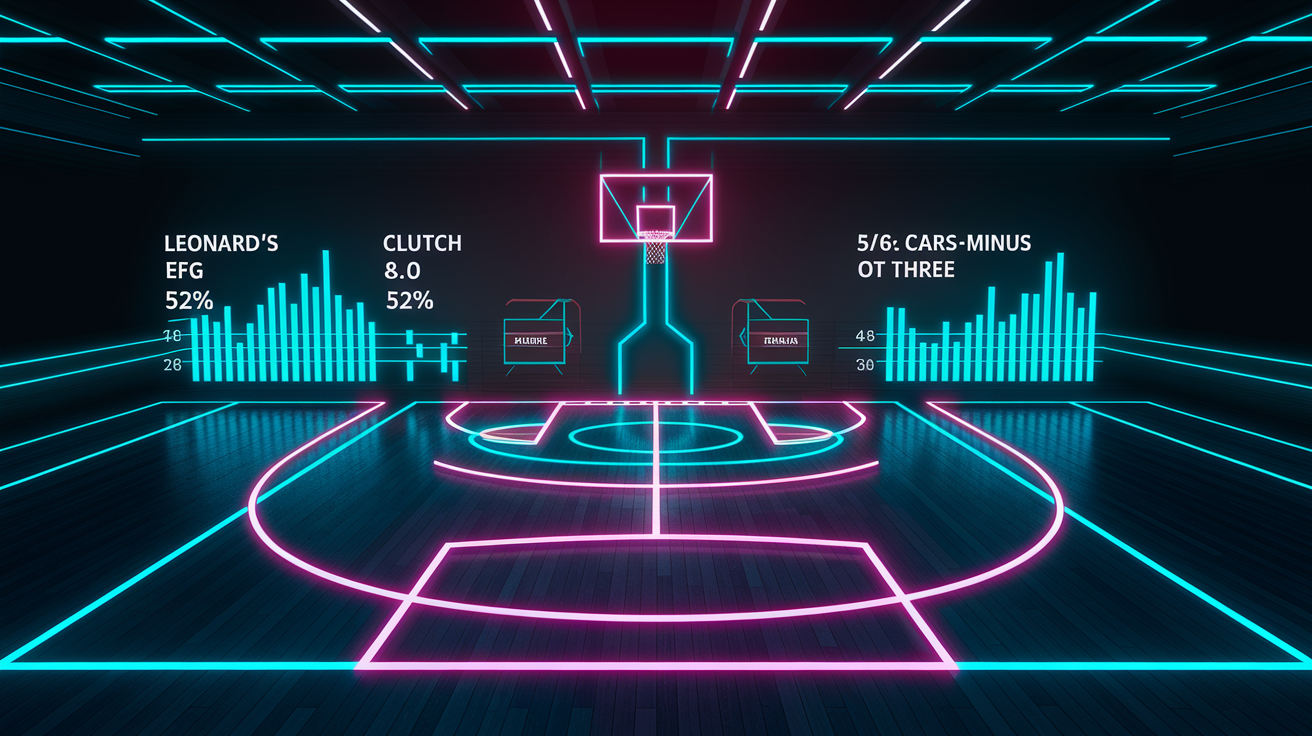
Game 7 2019 clutch time shot distributions reveal how both teams leaned on isolation scoring in the final five minutes. Kawhi Leonard took six of Toronto’s final ten field goal attempts, converting three, including the game-winner. Philadelphia’s shot distribution was more balanced. Jimmy Butler, Joel Embiid, and JJ Redick each taking multiple attempts. But the team’s effective field goal percentage in clutch time dropped to 42 percent compared to Toronto’s 48 percent. Leonard’s four-bounce buzzer-beater came on a possession where Toronto’s offensive rating spiked to 120 due to the game-winning conversion, while Philadelphia’s defensive rating in the final minute sat at 95. Strong overall defense undone by a single make.
Allen Iverson’s 52-point Game 5 performance in 2001 carried an effective field goal percentage of 51 percent, elevated by his two clutch three-pointers that pushed his true shooting percentage above 57 for the game. His ability to draw fouls late in games gave Philadelphia a significant free-throw rate advantage. Iverson shooting 15 free throws in Game 5 and converting at 87 percent. Joel Embiid’s overtime three in 2022 Game 3 delivered a possession with a 150 offensive rating, the result of a single made three in a one-possession overtime period. That shot gave Philadelphia a plus-three scoring margin in a game where the turnover differential sat at even and the rebounding battle favored Toronto by two.
Key Advanced Metrics from Clutch Possessions
- Leonard’s clutch effective field goal percentage in 2019 series: 52%, driven by midrange and paint finishes with minimal three-point reliance
- Philadelphia’s turnover differential in final five minutes of close games across all three series: minus-1.2 per game, indicating late-game ball security issues
- Iverson’s free-throw rate in 2001 series clutch time: 0.48, reflecting his ability to draw contact and get to the line when defenses collapsed
- Toronto’s plus-minus rating in clutch minutes (final five minutes, score within five points) in 2019: plus-8 across the series, driven by Leonard’s scoring and defensive stops
- Embiid’s on-court offensive rating in 2022 overtime situations vs Toronto: 118, compared to 102 when off the court, showing his impact on late-game scoring efficiency
Final Words
In the action, we traced three decades of do-or-die drama, from Iverson and Vince Carter to Kawhi’s bounce and Embiid’s OT dagger.
The post summed the series history, broke down late-game offense and defense, and highlighted coaching tweaks that decided tight finishes.
If you want the quick take: this is a rivalry defined by narrow margins and genius moments. Keep watching. The sixers vs raptors rivalry clutch playoff games and tactical breakdowns only get richer.
FAQ
Q: What did Goran Dragic say about the Raptors?
A: Goran Dragic said the Raptors were a physical, well-coached opponent and credited their late-game execution, praising key defensive stops and clutch play, according to his postgame remarks.
Q: What game did Kawhi hit the Buzzer Beater?
A: Kawhi hit the buzzer beater in Game 7 of the 2019 Eastern Conference semifinals against the 76ers, his four-bounce series-winning shot on May 12, 2019.
Q: What is the biggest rivalry for the 76ers?
A: The biggest rivalry for the 76ers is with the Boston Celtics, built on decades of playoff matchups, Hall of Fame players, and intense East-Central Division showdowns.
Q: Is Quickley playing game 3?
A: Quickley’s playing Game 3 depends on the official injury report; teams usually confirm availability before tip-off, so check the pregame updates or the coach’s lineup announcement for the final word.