

Is the Raptors–Pacers rivalry becoming Toronto’s show, not a back-and-forth fight?
Toronto’s 129–111 win in Indianapolis and seven wins in eight games make that case.
But it’s more than one result.
Star matchups, like Barrett and Poeltl’s balance vs Siakam’s scoring and Nembhard’s creation, are reshaping the story.
This piece breaks down the backcourt, wing and frontcourt duels, injury questions, and what each side must fix.
If you want to know who holds the edge and why these battles will decide the rivalry, read on.
Current Raptors vs Pacers Rivalry Landscape and What’s Driving the Latest Update
Toronto walked out of Gainbridge Fieldhouse on November 15, 2025, with a 129–111 win that showed exactly where things stand between these two teams right now. The Raptors led by 28 at one point, controlling the game start to finish. Pascal Siakam dropped 30 for Indiana, but Toronto spread the scoring across six guys in double figures. RJ Barrett and Jakob Poeltl each put up 22, Andrew Nembhard matched that for the Pacers, and Brandon Ingram added 19 for the visitors. This wasn’t close. It was methodical.
The win marked Toronto’s seventh in eight games, a sharp turnaround from their 1–4 start. For Indiana, the loss pushed them to 1–12, the worst 13-game opening in franchise history. That gap defines the rivalry right now. Toronto’s found offensive balance and can force long scoring droughts. Indiana went nearly four minutes without a bucket in the second quarter. The Pacers lean heavily on Siakam and Nembhard without the supporting depth to keep runs going. A 9–0 Raptors burst to open the third made it 71–53 and basically ended any comeback hope. Gradey Dick’s six-point surge late in the third, capped by Immanuel Quickley’s buzzer beater, pushed the lead to 101–85 heading into the fourth.
The head to head story is simple: Toronto owns the tempo, the paint, and the depth chart. Barrett and Poeltl anchor an offense that gets quality looks for role players. Indiana counters with individual brilliance from Siakam but can’t stop the bleeding when Toronto strings together defensive possessions. The rivalry update isn’t about parity. It’s about whether the Pacers can stabilize their interior defense and diversify scoring before the gap becomes permanent.
Largest lead: Raptors by 28, showing Toronto’s ability to build and hold margin through balanced scoring.
Key turning run: 9–0 burst to start the third quarter, started by Poeltl and Barnes, stretched the lead to 16.
Star duel imbalance: Siakam’s 30 points lacked support. Toronto’s six double-figure scorers spread defensive attention.
Tactical swing: 13–0 Raptors run in the second quarter turned a tight game into double-digit separation by halftime.
Defensive dominance: Toronto’s ability to force extended scoreless stretches exposed Indiana’s offensive stagnation without consistent ball movement.
Key Raptors vs Pacers Player Matchups Shaping This Phase of the Rivalry
Player battles define this rivalry’s current identity. The backcourt, wing, and frontcourt matchups each tell a different story about who controls tempo, who creates efficient offense, and who protects the paint when the game tightens.
Backcourt Battle: Creation vs Containment
Toronto’s guard rotation showed deeper weapons. RJ Barrett dropped 22 points, Immanuel Quickley added 12 and hit the buzzer beater to close the third, and Jamal Shead connected on a critical late first quarter three that helped the Raptors finish the frame on a 10–2 run. For Indiana, Andrew Nembhard matched Barrett with 22 but operated without consistent secondary creation. When Nembhard sat or faced defensive pressure, the Pacers’ offense stalled. Toronto’s guards generated scoring bursts and maintained ball movement that kept Indiana’s defense scrambling through rotations.
Wing Scoring and Defensive Assignments
Scottie Barnes posted 14 points and 11 rebounds, while Brandon Ingram contributed 19, giving Toronto versatile scoring across multiple positions. On the other side, Pascal Siakam carried Indiana’s offensive load with 30 points but absorbed defensive attention that left teammates with fewer high percentage looks. The Raptors could afford to rotate defenders and still maintain offensive rhythm. Indiana relied on Siakam’s individual creation, which became predictable as the game wore on and Toronto’s help defense collapsed passing lanes.
Frontcourt Interior Impact
Jakob Poeltl’s 22 points anchored Toronto’s paint presence and triggered momentum swings. His hook shot nine minutes into the third extended the lead to 16 and set the tone for a stretch that buried the Pacers. Indiana lacked a consistent answer. Jay Huff hit a three to trim the deficit to 89–82 late in the third, but the Pacers couldn’t protect the rim or control the glass when Toronto attacked. Poeltl’s ability to score on post touches and offensive rebounds gave the Raptors a reliable fallback option whenever the perimeter went cold.
| Position | Raptors Key Contributor | Pacers Key Contributor | Matchup Effect |
|---|---|---|---|
| Backcourt | RJ Barrett (22 pts), Quickley (12 pts, buzzer 3) | Andrew Nembhard (22 pts) | Toronto depth and late game execution created separation |
| Wings/Forwards | Scottie Barnes (14/11), Brandon Ingram (19) | Pascal Siakam (30 pts) | Balanced scoring vs. isolated brilliance. Raptors spread defensive attention |
| Frontcourt | Jakob Poeltl (22 pts, interior anchor) | Jay Huff (occasional 3-pt spacing) | Poeltl’s paint dominance and offensive rebounding controlled tempo and second chance points |
Raptors vs Pacers Game Flow Trends and How They Define Matchup Narratives
Quarter by quarter momentum tells the story of how Toronto imposes its will. The Raptors finished the first quarter on a 10–2 run, punctuated by Jamal Shead’s three pointer with 44 seconds left, to take a 32–29 lead. That pattern repeated throughout. Sustained pressure followed by a decisive burst. In the second quarter, Toronto held Indiana scoreless for nearly four minutes, then rode a 13–0 run to a 53–43 lead with 3:38 remaining in the half. By halftime, the Raptors led 62–53. Indiana’s offense had shown no answers to Toronto’s length and rotations.
The third quarter opened with a 9–0 Raptors spurt, started by Poeltl and Barnes, that pushed the margin to 71–53. Indiana clawed back briefly. Jay Huff’s three with 3:25 left in the third made it 89–82. But Toronto closed the quarter with an 8–0 surge. Gradey Dick scored six points during that stretch, and Quickley’s buzzer jumper gave the Raptors a 101–85 cushion entering the fourth. The Pacers never threatened again. Scottie Barnes hit two free throws with 8:40 remaining in the final frame to make it 110–89, a 20-point lead that effectively ended the contest.
These scoring runs reveal a tactical truth: Toronto exploits defensive breakdowns and converts them into extended advantages, while Indiana relies on individual shot making without the defensive stops to flip momentum. The Raptors’ ability to string together multiple consecutive stops, then score in transition or off offensive rebounds, turns tight games into blowouts.
10–2 run to end Q1: Jamal Shead’s three pointer capped the burst and gave Toronto early control.
13–0 run in Q2: Coincided with Indiana’s four-minute scoring drought, stretching the lead to double digits.
9–0 run to open Q3: Poeltl and Barnes initiated. Lead ballooned to 18 and Indiana never recovered.
8–0 run to close Q3: Gradey Dick’s six points and Quickley’s buzzer jumper pushed the margin to 16 entering the fourth.
Brief Pacers response (89–82): Jay Huff’s three trimmed the deficit late in Q3, but Toronto answered immediately.
Barnes free throws (110–89): Secured a 20-point lead with 8:40 left in Q4, sealing the outcome.
Injury and Availability Factors Impacting Raptors vs Pacers Matchup Dynamics
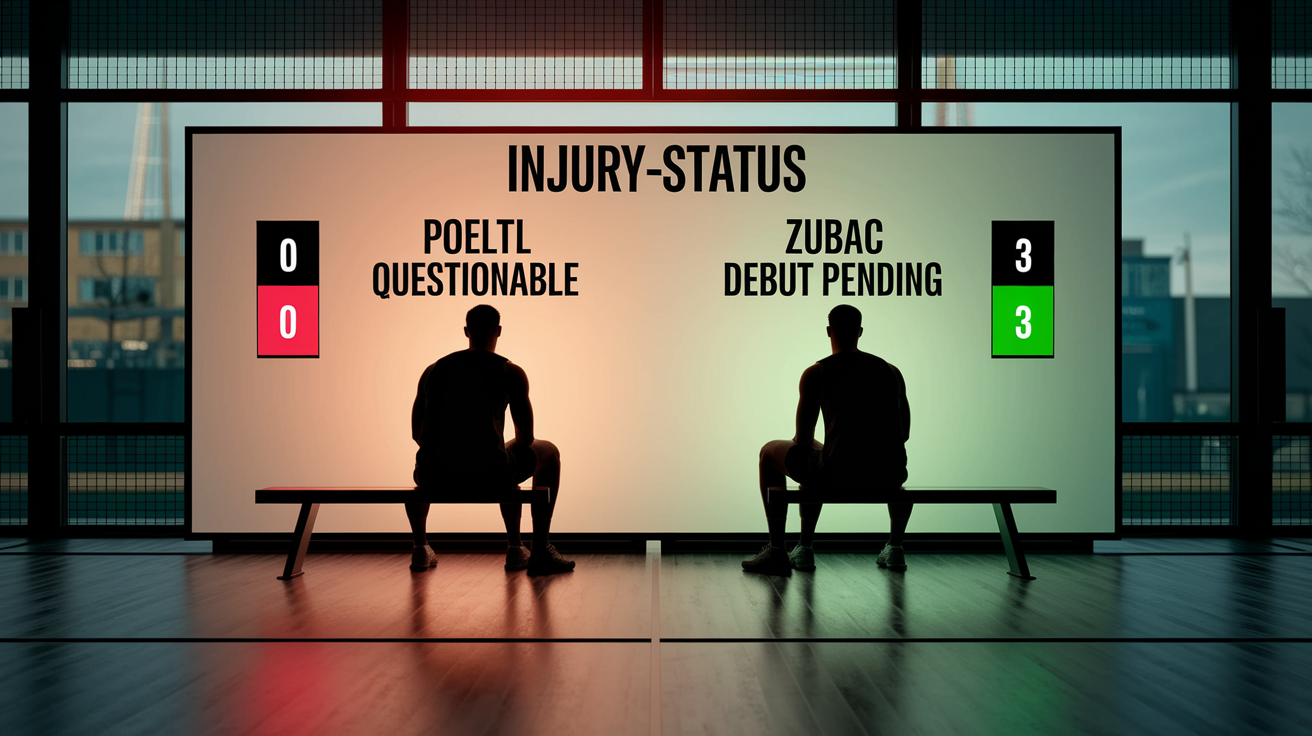
Jakob Poeltl appeared on the injury report as questionable heading into later matchups, with the expectation that he won’t return to full minutes until after the All-Star break. Load management late in the season is the likely plan, especially as Toronto tries to preserve his health for any playoff push. In his absence, the Raptors have leaned on Scottie Barnes, Collin Murray-Boyles, and Sandro Mamukelashvili to fill center minutes. All three bring different strengths. Barnes offers playmaking and defensive versatility, Murray-Boyles provides energy and hustle, and Mamukelashvili adds floor spacing. But none replicate Poeltl’s combination of rim protection and interior scoring. Toronto also acquired Trayce Jackson-Davis from Golden State at the trade deadline. He averaged 7.9 points and 5.0 rebounds in 16.6 minutes as a rookie and will get opportunities to regain confidence and contribute inside.
For Indiana, Ivica Zubac’s arrival from the Clippers represents a significant shift in their frontcourt identity. The seven footer averaged 14.4 points and 11.0 rebounds this season, numbers that would immediately upgrade the Pacers’ rim presence and rebounding. However, a lingering ankle issue and the recent birth of his child have delayed his debut. The trade cost Indiana dearly. Bennedict Mathurin, Isaiah Jackson, two first-round picks, and a second-round pick. That signals the franchise’s urgency to compete once Tyrese Haliburton returns and to replace Myles Turner’s production at the five. Until Zubac suits up, the Pacers remain vulnerable in the paint, especially against a Raptors team that exploits interior mismatches.
These availability questions reshape the rivalry’s near-term outlook. If Poeltl sits and Zubac debuts, Indiana gains a clear interior edge. If both centers remain unavailable, Toronto’s depth and versatility at the five give them the advantage. Health timelines will determine who controls the paint, dictates rebounding battles, and sets defensive rotations in future meetings.
Defensive matchups: Poeltl’s absence forces Toronto to switch more aggressively. Zubac’s debut would anchor Indiana’s drop coverage and rim protection.
Rebounding battles: Zubac’s 11.0 rebounds per game would address Indiana’s glass struggles. Toronto’s committee approach limits individual rebounding dominance.
Pace and transition: Without a traditional rim protector, both teams may push tempo. Zubac’s presence would slow Indiana’s pace and emphasize half-court sets.
Rim protection: Jackson-Davis and Murray-Boyles offer energy but lack Poeltl’s shot blocking. Zubac’s size and positioning would immediately upgrade Indiana’s interior defense.
Raptors vs Pacers Coaching Strategies and Tactical Adjustments Defining Recent Meetings
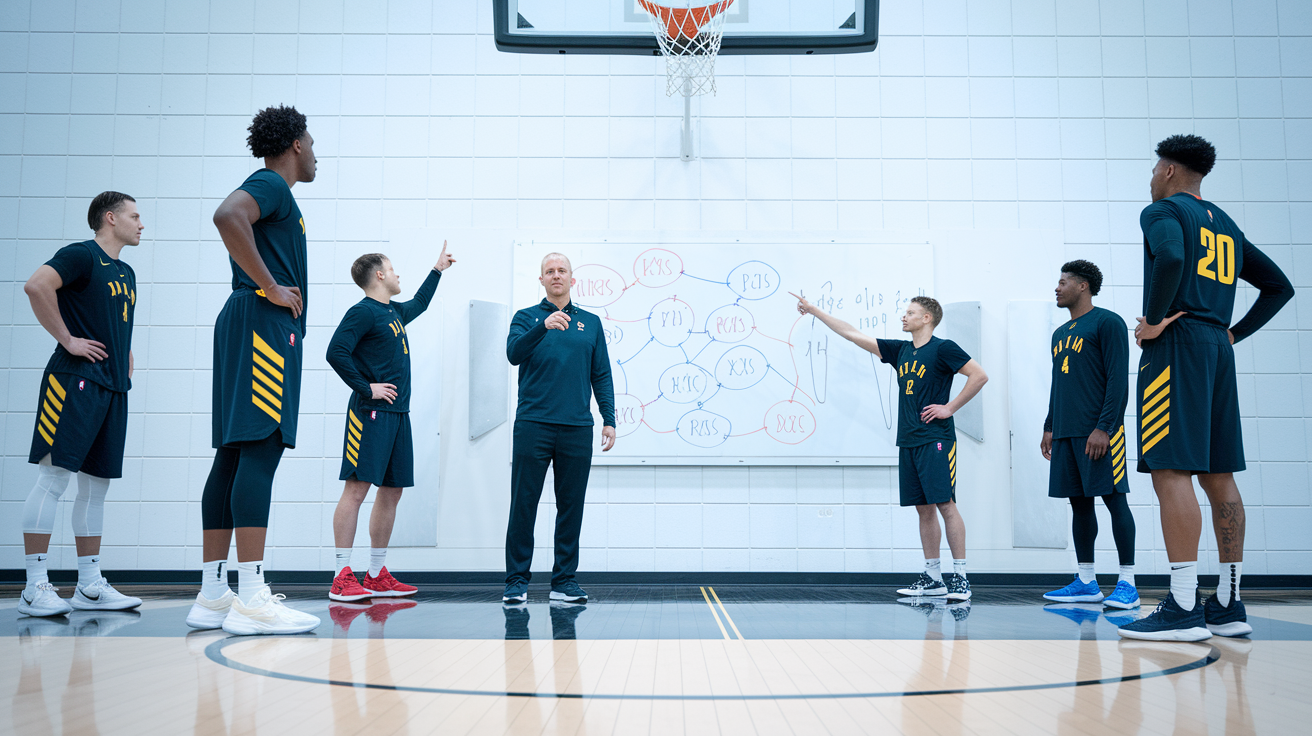
Coaching decisions and in-game adjustments separate the two sides. Toronto’s staff has built an offense that distributes touches and creates high percentage looks for multiple players. The Raptors’ defensive stretches come from disciplined rotations, active hands, and timely help defense that disrupts Indiana’s passing lanes. Like the nearly four-minute scoreless drought they forced in the second quarter. When the Pacers tried to iso Siakam or run pick and roll with Nembhard, Toronto’s switches and weak-side help forced contested shots and turnovers.
Raptors’ Balanced Offense and Defensive Pressure
Toronto’s coaching staff emphasizes ball movement and interior-exterior balance. Poeltl and Barnes provide reliable post-up options, while Barrett, Quickley, and Ingram space the floor and attack closeouts. The Raptors’ bench contributes double-figure scoring nights. Mamukelashvili, Murray-Boyles, Gradey Dick. That prevents opponents from loading up on any single player. Defensively, Toronto switches across positions and uses length to contest shots without fouling. The 9–0 run to open the third quarter came from consecutive stops, quick outlet passes, and efficient half-court execution. That blend of pressure and poise defines Toronto’s tactical identity.
Pacers’ Attempts to Counter Through Pace and Spacing
Indiana’s coaching staff tries to generate offense through pace and three-point volume, but execution has been inconsistent. Jay Huff’s three pointer that cut the deficit to 89–82 late in the third quarter showed the Pacers’ spacing potential, but they couldn’t string together enough stops to sustain a run. Siakam’s 30 points came largely in isolation or off dribble handoffs, a sign that Indiana’s offensive system relies too heavily on individual shot creation. Without Zubac to anchor the paint or Haliburton to orchestrate the offense, the Pacers struggle to impose a coherent tactical identity.
The coaching chess match favors Toronto as long as the Raptors maintain depth and defensive discipline. Indiana needs clearer offensive structure, more consistent ball movement, and the personnel health to execute their schemes. Until those pieces align, Toronto’s balanced attack and switchable defense will continue to dictate the rivalry’s terms.
Advanced Stats and Efficiency Indicators in the Raptors vs Pacers Rivalry Update
Statistical markers reveal the gap between the two teams. Toronto’s bench posted multiple double-figure scorers. Sandro Mamukelashvili with 12, Collin Murray-Boyles with 10. Scottie Barnes notched a double-double (14 points, 11 rebounds) and Jakob Poeltl’s 22 points came with efficient interior looks and offensive rebounds. The Raptors’ ability to generate scoring from six different players spreads defensive attention and prevents opponents from loading up on any single threat. Indiana, meanwhile, leaned on Pascal Siakam’s 30 and Andrew Nembhard’s 22 without matching depth. That imbalance showed in plus-minus trends and lineup effectiveness.
Efficiency patterns also favor Toronto. The Raptors’ scoring runs came from high percentage shots in the paint, transition buckets off defensive stops, and timely three pointers from role players. Indiana’s offense stagnated when Siakam faced double teams or when Nembhard couldn’t penetrate Toronto’s switching defense. The Pacers’ lack of secondary shot creation forced contested jumpers and turnovers, deflating their offensive rating. Toronto’s defensive rating spiked during those stretches when they forced long scoring droughts, a clear indicator of how their scheme disrupts Indiana’s rhythm.
| Metric | Raptors Indicator | Pacers Indicator |
|---|---|---|
| Depth Scoring | Six players in double figures. Bench contributed 34 combined points | Heavy reliance on Siakam (30) and Nembhard (22). Minimal bench impact |
| Plus-Minus Leaders | Poeltl +22 in scoring impact. Barnes double-double with efficient usage | Siakam high usage but isolated. Supporting cast unable to maintain positive differentials |
| Scoring Efficiency | Balanced attack with paint dominance, transition buckets, and role-player threes | Contested iso shots and stagnant half-court sets when primary creators faced pressure |
Playoff and Standings Implications in the Raptors vs Pacers Rivalry
Toronto’s recent surge (seven wins in eight games) signals a team finding its identity and building momentum at the right time. The Raptors sit in a tenuous playoff spot, but their balanced scoring and defensive discipline give them a realistic path to secure a postseason berth. Indiana’s 1–12 start, the worst 13-game opening in franchise history, puts them at the bottom of the Eastern Conference and raises serious questions about their ability to compete this season. The gap between the two franchises isn’t just about one game. It’s about trajectory and sustainability.
For Toronto, maintaining this level of play against lower-tier opponents like the Pacers is essential. The Raptors are 1–9 against the top four teams in the East and West, a glaring weakness that makes every win against struggling squads critical for playoff positioning. Multiple Eastern Conference teams can realistically catch the Raptors in the second half of the season if Toronto falters. Including Philadelphia and four play-in contenders. Depth, health, and consistency will determine whether they hold their spot or slide into the lottery.
Indiana faces a different set of challenges. Their struggles signal a potential “redshirt” season focused on development and roster evaluation rather than playoff contention. The Zubac trade suggests ownership and management still believe competitive windows exist once Haliburton returns and the roster stabilizes. But until then, the Pacers must focus on building chemistry, integrating new pieces, and avoiding further losses that damage morale and long-term momentum.
Momentum impact: Toronto’s winning streak builds confidence and stabilizes rotations. Indiana’s losing skid risks internal friction and coaching scrutiny.
Playoff seeding pressure: Toronto must win games against bottom-tier teams to offset losses to elite opponents. Every rivalry game carries weight in the crowded Eastern Conference play-in race.
Roster evaluation stakes: Indiana’s poor start accelerates decisions about trades, lineup changes, and long-term direction. Wins against Toronto would provide validation and breathing room.
Schedule leverage: Remaining head-to-head games give each side a chance to shift the rivalry narrative. Toronto needs to bank wins now while Indiana remains shorthanded.
Long-Term Narratives and Developing Storylines in the Raptors vs Pacers Rivalry
The Poeltl-Barnes interior combination has become a recurring storyline in this rivalry. Their ability to initiate scoring runs, protect the rim, and crash the glass defines Toronto’s identity in ways that extend beyond any single game. As long as that duo stays healthy and productive, the Raptors hold a structural advantage over Indiana’s current frontcourt mix. Future meetings will hinge on whether the Pacers can counter with Zubac’s size and rebounding or if Toronto continues to exploit mismatches in the paint.
Indiana’s offensive dependence on Siakam and Nembhard creates a narrative vulnerability. When both players perform at high levels, the Pacers can compete. When either struggles or faces defensive attention that limits clean looks, the offense collapses. The Zubac trade signals Indiana’s intent to diversify their attack by adding a legitimate interior scoring and rebounding presence. If Zubac integrates successfully and Haliburton returns to orchestrate the offense, the rivalry’s competitive balance could shift. Until then, Indiana’s storyline remains one of potential rather than performance.
Ja’Kobe Walter’s increased role in Toronto adds another layer to the rivalry’s future. The 19th pick in the 2024 draft saw expanded minutes after Ochai Agbaji’s trade to Brooklyn, and the Raptors are 3–1 this season when Walter plays at least 30 minutes. His recent performance (12 points, five rebounds, two steals in 30 minutes against Chicago) suggests he can contribute as an effective sixth man. Walter’s late-season development could influence offseason roster decisions, including the possibility of moving RJ Barrett if Toronto decides to reset their wing rotation. How Walter performs in future matchups against Indiana will shape both his own trajectory and the Raptors’ long-term planning.
Final Words
Raptors seized control with big runs and a 129-111 win, driven by Siakam, Poeltl and Barrett. Those bursts and coaching tweaks set the tone.
This shifts the rivalry: Toronto’s depth and interior play have the edge, while Indiana needs more reliable scoring and healthier bigs. Matchups and minutes will matter more than single plays.
This Raptors vs Pacers rivalry update: key player matchups and narratives shows the gap but also the path to closer games. If both teams tighten rotations, expect more competitive matchups ahead.
FAQ
Q: Who is favored to win, pacers or raptors?
A: The Raptors are favored to win the matchup, thanks to recent form (seven wins in eight), deeper bench scoring and stronger interior play that has driven momentum in recent meetings.
Q: Who is the Pacers’ biggest rival?
A: The Pacers’ biggest rival in recent seasons has been the Toronto Raptors, driven by divisional clashes, playoff-era tension and repeated tactical battles over interior matchups and wing scoring.
Q: Who is more likely to win, Pacers or Thunder?
A: Who’s more likely to win depends on health and matchups; the Thunder are often favored for star scoring and depth, but the Pacers can upset with Siakam-led offense and better interior defense.
Q: Who can raptors trade?
A: The Raptors can trade veterans, rotation bench pieces or future draft picks, packaging depth to acquire wing scorers or rim protectors who better fit Toronto’s spacing and short-term playoff goals.