

Think bench bats are just roster filler? Think again.
This spring’s free agent market is full of proven veterans, Tommy Pham, Adam Duvall, Donovan Solano, Elvis Andrus and Jean Segura among them.
They aren’t chasing big deals and could be signed for veteran minimums, split contracts, or minor-league invites.
They’re cheap, ready, and can turn a late-game spot into a win.
This post pinpoints which bench bats are realistic, low-cost upgrades, why they matter, and which teams should be calling.
Identifying the Most Promising Bench Bats in MLB Free Agency
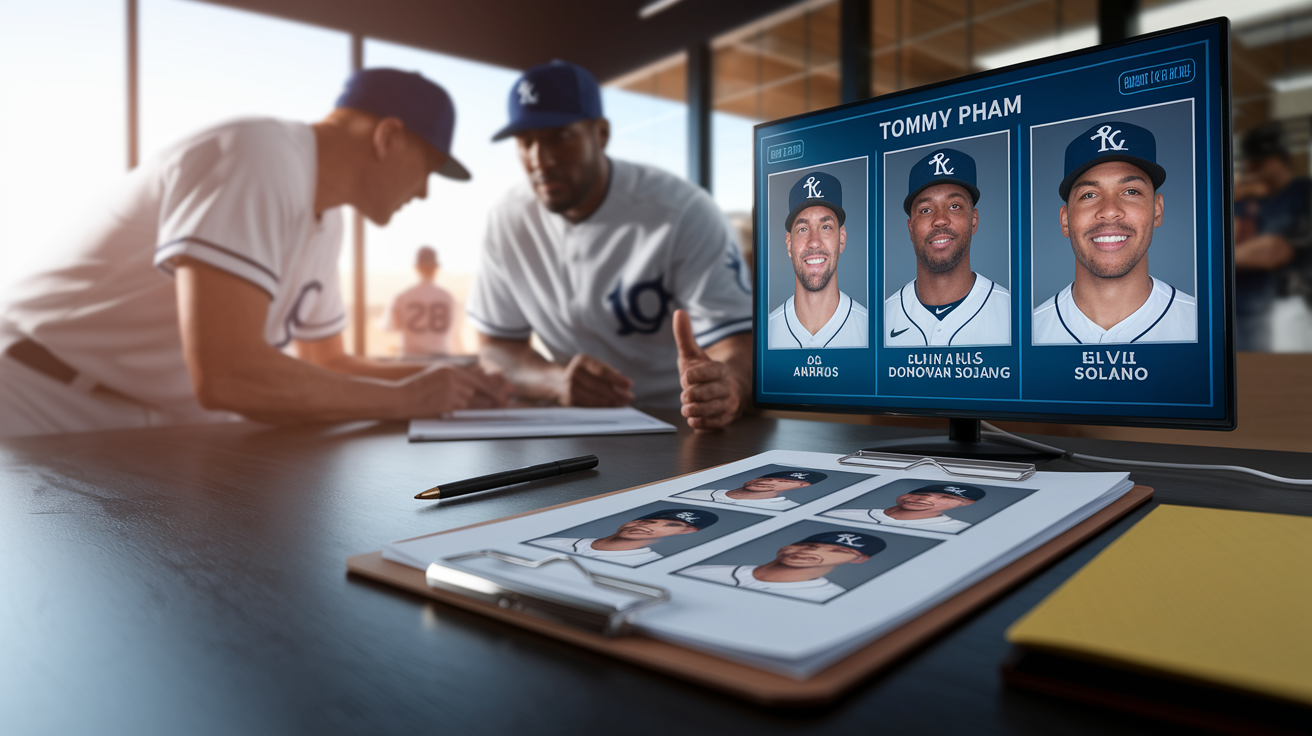
Seven top free agents were still unsigned when March rolled around, but the real bargains for teams watching their budgets sit a tier or two below. Veterans like Tommy Pham, Adam Duvall, Donovan Solano, Elvis Andrus, and Jean Segura are all available and they’re not asking for multi-year deals or massive salaries. Most will sign for veteran minimums, split contracts, or minor league invites with a spring training ticket. What makes them appealing is straightforward: they’ve all played meaningful MLB innings recently, they know what they’re supposed to do, and they can step in tomorrow without needing three weeks to adjust.
Boston’s front office was pretty clear about wanting a right-handed bench bat to offset a lineup that tilts left. After Garrett Cooper and Gio Urshela went to the Cubs and Tigers, the Red Sox started looking at who was left. The Yankees went after utility depth and were finalists for Enrique Hernández, showing interest in someone who could spell Oswald Peraza. Both situations point to a wider pattern: teams let the big names sign, then grab proven guys who can produce in spot duty without wrecking the payroll.
What separates these players from Triple-A filler is résumé. Each one has put up decent numbers lately, can play multiple spots, or brings something specific like a good platoon split or high contact rates. They’re not projects. They’re veterans who get their worth and can help right now if someone gets hurt or doesn’t perform.
Here’s who’s out there among the most useful low-cost bench options:
- Tommy Pham – Right-handed outfielder who gets on base and makes consistent line-drive contact
- Adam Duvall – Power corner outfielder who crushes lefties and can cover center in an emergency
- Donovan Solano – Contact-first infielder with a right-handed bat, historically strong against lefties
- Elvis Andrus – Veteran shortstop/utility guy with championship experience and defensive range
- Jean Segura – Switch hitter with gap power who can play second, third, or short
- Brandon Belt – Left-handed first baseman who still draws walks and hits for power in platoons
- J.D. Martinez – DH only at this point, but a professional hitter who can still punish fastballs
- Jurickson Profar – Switch-hitting utility player with corner outfield experience and solid OBP
These aren’t placeholder names. They’re guys who’ve produced in the majors and know how to make 200 plate appearances count. That’s what an upgrade looks like when you’re evaluating bench depth.
Market Dynamics Behind Budget-Friendly Bench Bats in MLB Free Agency

This free agent market has crawled. Only one top-50 player went unsigned into March last offseason. Jurickson Profar. This year, seven did. That tells you how teams have handled roster building. Clubs waited for premium guys like Cody Bellinger to take short-term deals before moving to the discount rack.
When Bellinger opted into his $27.5 million player option with the Cubs earlier in the week, it sent a message. The dominoes started. Garrett Cooper signed with the Cubs. Gio Urshela went to the Tigers. Suddenly teams like the Red Sox and Yankees were fighting over a shrinking pool of right-handed bench options.
The delay creates openings for smart front offices. By waiting until after the qualifying offer deadline and letting the top tier clear, teams can negotiate from strength. Veterans who wanted multi-year deals start accepting one-year prove-it contracts or even minor league invites with big league spring invites. It’s a patience game, and the clubs willing to wait usually land the best value. You’re not bidding against five other teams for a Tommy Pham or Elvis Andrus. You’re talking to a veteran who knows his market and wants to play, not sit at home.
Evaluating Bench Bats Using Performance Metrics and Platoon Splits
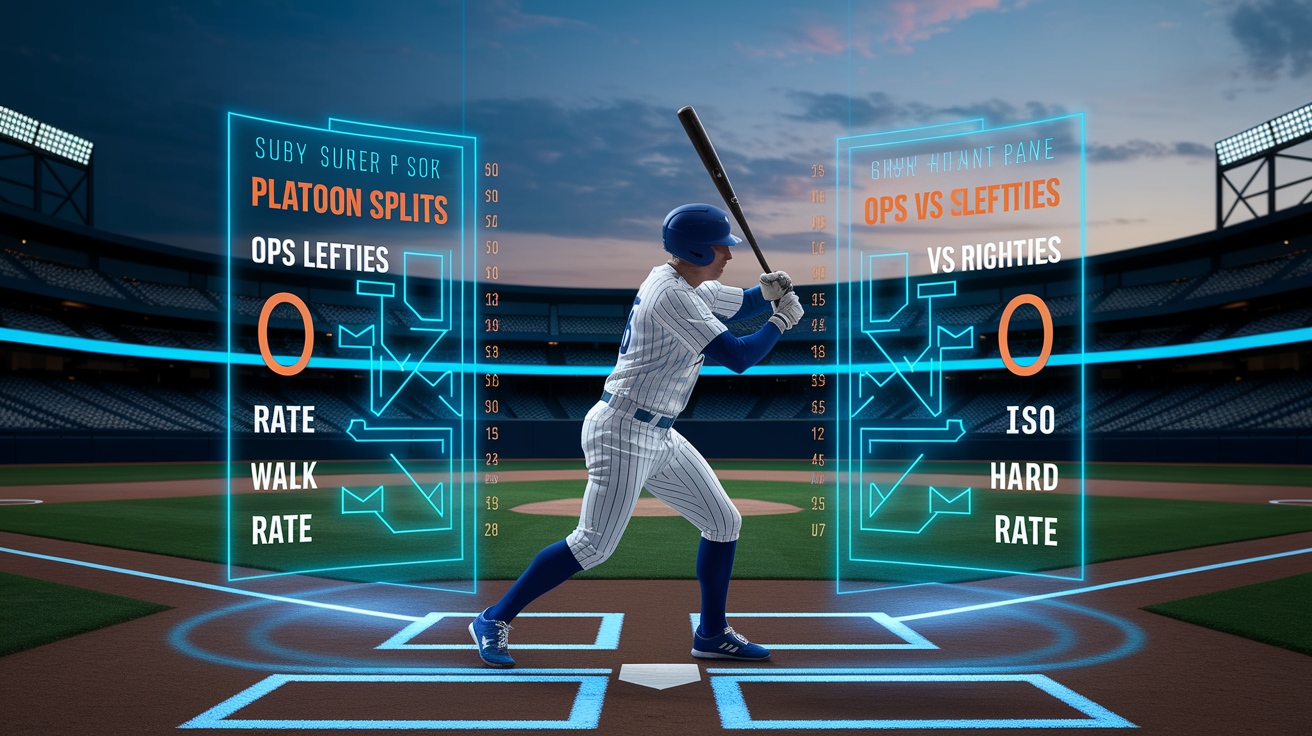
Teams don’t sign bench bats on gut feeling. They use data. The biggest question for a late-market add isn’t “Can he hit?” It’s “Can he hit in this exact situation?” That means digging into splits, contact quality, and discipline numbers to find edges that matter in 150 plate appearances.
Key Split Metrics for Identifying Value
Platoon splits drive bench bat evaluation more than anything else. A guy who posts a .750 OPS against lefties but drops to .600 versus righties is perfect in the right role and useless in the wrong one. Boston’s hunt for a right-handed bat makes total sense when you look at their lineup balance. If you’re carrying four lefty-heavy regulars, you need a righty who can punish southpaws when they come in late.
Here’s a hypothetical: a veteran with a .380 OBP and .480 slugging against lefties over the past two years. That’s an .860 OPS, well above league average. Against righties, he drops to .310/.390. You don’t care. You’re not starting him against right-handers. You’re using him in the seventh when a lefty reliever enters, or slotting him in on days a southpaw starts. That specificity turns a “replacement-level player” into a genuine upgrade.
Contact and Discipline Indicators
Older bench bats survive on contact skills and plate discipline, not power. Walk rate and strikeout rate tell you if a veteran still has bat-to-ball ability or if he’s chasing pitches he used to handle. A player who walks in 10% of plate appearances and strikes out in fewer than 20% can still contribute, even if his exit velocity has dropped. He’s going to put the ball in play, work counts, and give you professional at-bats. That’s exactly what you want from a pinch hitter in a leverage spot.
On the flip side, a veteran whose strikeout rate has jumped above 25% is a warning sign. He’s lost bat speed or pitch recognition. Even if he occasionally drives a fastball, the swing-and-miss risk makes him unreliable in tight spots. Teams study these trends closely, often pulling three-year rolling averages to see if the decline is gradual or sudden.
Power and Hard Contact Signals
Isolated power (ISO) and hard-hit rate separate true gap hitters from empty-average guys. A bench bat with a .150 ISO versus lefties still has enough pop to drive mistakes into the gap or over the fence. Pair that with a hard-hit rate above 35%, and you’ve got someone who can do real damage in limited chances.
Statcast data has sharpened this evaluation. You can see if a player’s average exit velocity has held steady or dropped below 87 mph, the rough threshold for quality contact. A veteran who still barrels the ball 8% of the time isn’t done. He’s a situational weapon. That’s the difference between an inexpensive upgrade and a warm body.
| Metric | Why It Matters |
|---|---|
| OPS vs. LHP/RHP | Shows platoon advantage and situational fit |
| Walk Rate | Reveals discipline and ability to work counts in limited plate appearances |
| Strikeout Rate | Indicates bat-to-ball skill and reliability in high-leverage spots |
| ISO (Isolated Power) | Measures extra-base-hit capability beyond singles |
| Hard-Hit Rate | Shows whether exit velocity and contact quality remain above replacement level |
Team Fits: Which Clubs Need Cost-Effective MLB Bench Bats Most?

The AL East offers the clearest picture of which teams need these players. Boston’s search for a right-handed bat is public. They’ve got a lineup tilted toward lefties, and they missed on Garrett Cooper and Gio Urshela. The Yankees pursued Enrique Hernández as a utility alternative to Oswald Peraza. Both clubs have payroll room but don’t want to spend big money on a part-time role. They’ll target veterans who can handle multiple positions, provide platoon power, and accept limited playing time without drama.
Outside the East, several clubs are quietly shopping for bench depth. The Royals need a DH or corner bat to support Bobby Witt Jr. after locking in Michael Wacha. The Rays, always working on thin margins, could use a platoon piece in the outfield after trading away so many veterans at the deadline. The Twins, stuck with ownership uncertainty and Pablo López’s salary jumping to $21.75 million annually, are hunting for low-cost right-handed bats. The Mariners, despite excellent pitching, need offense everywhere. Bench included. All of these clubs fit the profile of teams willing to sign a veteran for close to the minimum if it makes sense.
Here are a few pairings that work:
- Red Sox + Donovan Solano – Right-handed contact hitter who crushes lefties and can play second or third
- Yankees + Elvis Andrus – Veteran utility guy who brings playoff experience and defensive versatility
- Royals + Adam Duvall – Power bat off the bench who can cover all three outfield spots in a pinch
- Rays + Tommy Pham – High-OBP outfielder who fits Tampa’s model of squeezing value from underpriced vets
- Twins + Jean Segura – Switch hitter who can spell at second, third, or short
- Mariners + J.D. Martinez – Pure DH who still crushes fastballs and mentors younger hitters
Comparing Free-Agent Bench Bats to Internal and Triple-A Options
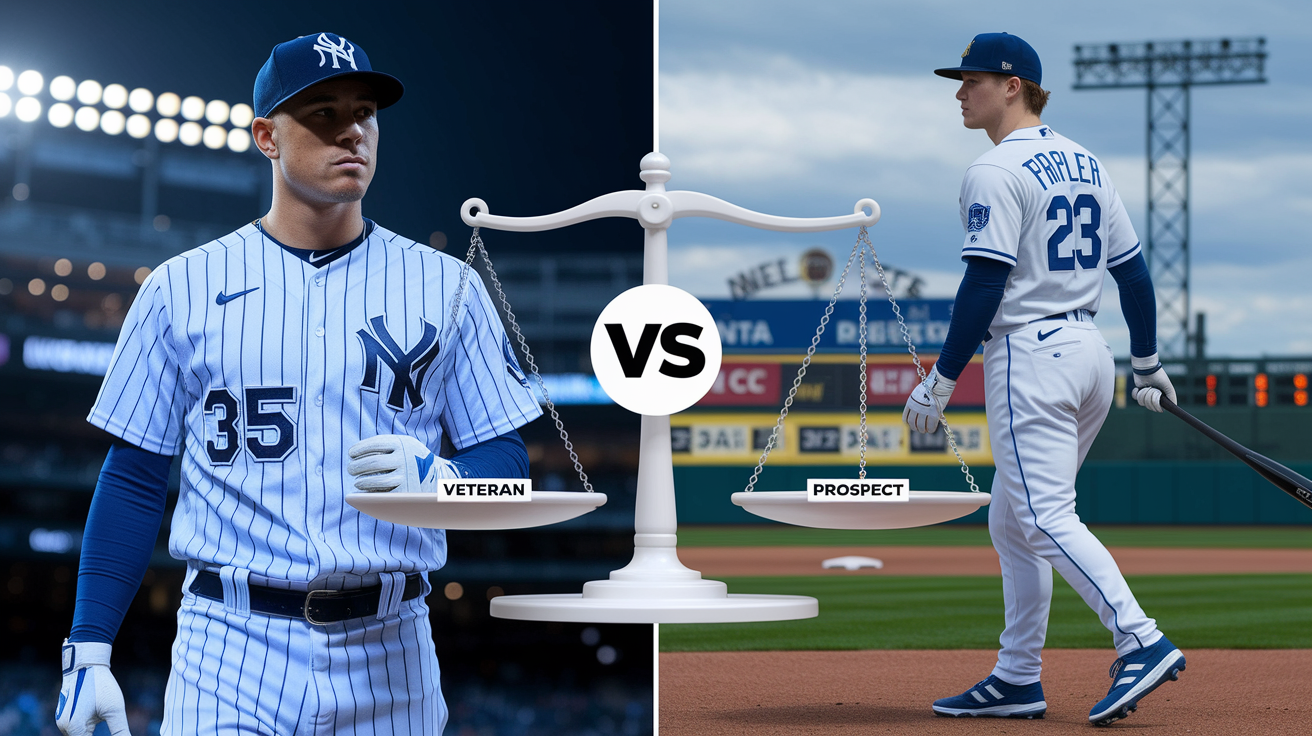
Every front office deals with the same question: sign a known veteran or give the spot to a younger internal option? The Yankees wrestled with this when they pursued Enrique Hernández instead of handing the utility role to Oswald Peraza. The Red Sox faced the same choice when evaluating their bench mix. The answer usually comes down to one thing. Certainty.
A Triple-A player might have a higher ceiling, but he’s also a question mark. You don’t know if his bat will translate in limited chances, if he’ll handle the pressure of pinch-hitting in October, or if he’ll accept a bench role without losing development time. A veteran like Elvis Andrus or Donovan Solano offers none of that uncertainty. They’ve done the job. They know how to prepare for one at-bat a game. They won’t complain about playing time because they’ve already accepted the role. That psychological and practical stability is why teams keep circling back to the free agent market even when the farm system offers depth.
The math changes if you’re a rebuilding club or a team prioritizing long-term development. In those cases, blocking a prospect with a 35-year-old journeyman makes no sense. But for contenders, especially those in win-now windows, the veteran is almost always the safer play. You’re not trying to develop a bench bat. You’re trying to win games in September and maximize every roster spot. That’s where free agent pickups earn their keep.
Contract Expectations: Salary Ranges for Inexpensive MLB Bench Bats
No team is handing out multi-year deals to bench bats in late February or March. The contracts for this tier are predictable and low-risk. Most of these veterans will sign for something close to the major league minimum, currently around $740,000 for a player with significant service time. A few might negotiate minor league deals with invitations to big league spring training, betting on themselves to make the roster and trigger a split contract that pays the MLB minimum once they’re called up.
The one-year prove-it deal is another common structure. A team offers $1.5 million to $3 million guaranteed, banking on 150 to 200 plate appearances of solid production. If the player performs, he re-enters free agency next winter with fresh leverage. If he doesn’t, the club cuts him loose without long-term damage. It’s a clean transaction for both sides, which is why you see so many bench pieces signed in this range every spring.
Incentive-loaded contracts are the wild card. A veteran might accept a base salary of $1 million with another $500,000 available through plate appearance or games played bonuses. If he stays healthy and earns consistent at-bats, he makes out well. If not, the team pays only the minimum guarantee. These structures appeal to risk-averse front offices and players confident in their health and role.
Here’s how the contract tiers typically break down:
- MLB minimum – Service-time veterans sign for roughly $740,000 guaranteed, betting on making the Opening Day roster
- Split contract – Minor league deal with a big league invite. Player earns MLB minimum only after being added to the 40-man roster
- Minor league invitation – Non-roster invite to spring training with no guaranteed money, often includes opt-out clauses if not promoted by a set date
- Incentive-loaded one-year – Base salary of $1 million to $3 million with performance bonuses tied to games played or plate appearances
Bounce-Back Candidates and Aging Veterans Who Could Still Offer Value
Not every veteran on this list is done. Some are genuinely undervalued because of a down year, an injury, or a shift in team context. Donovan Solano, for instance, posted strong contact rates as recently as two seasons ago and still crushes lefties. If a club needs a right-handed bat who can play multiple infield spots, he’s a safe bet to deliver exactly what you’re paying for. Solid at-bats in a part-time role.
Elvis Andrus brings championship experience and defensive versatility. He’s not going to hit 15 home runs, but he’ll take competitive at-bats, play solid defense at short or second, and mentor younger players. Jean Segura offers similar value as a switch hitter with gap power and positional flexibility. Both players understand their roles and won’t sulk on the bench. That’s worth more than raw production when you’re managing a 26-man roster through six months.
The risk with aging veterans is always physical decline. A 36-year-old who looked fine in limited duty last season can fall off a cliff if bat speed drops another tick or injuries pile up. But that’s why these contracts are structured the way they are. You’re not committing long-term money. You’re taking a calculated shot on a player with a proven track record, betting that he has one more useful season left. When it works, you get 200 solid plate appearances for less than $2 million. When it doesn’t, you release him in June and promote a Triple-A option. The downside is minimal.
How Bench Bats Impact Late-Game Strategy and Postseason Roster Construction
A quality bench bat changes how a manager approaches the final three innings. If you’ve got a right-handed power hitter who crushes lefties, you can pinch-hit aggressively when the opposing manager brings in a southpaw reliever. That flexibility forces the other dugout to think twice about matchups, which can tilt high-leverage situations in your favor.
Platoon advantages get magnified in October. Postseason rosters carry fewer position players and more pitchers, so every bench bat needs to serve a clear purpose. A switch hitter who can spell multiple positions is gold. A righty masher who punishes lefty relievers is a weapon. Teams that stock their bench thoughtfully during the regular season reap the rewards in tight playoff games, where one at-bat can decide a series.
The Yankees and Red Sox weren’t shopping for bench depth just to fill out spring rosters. They were building late-game options. A veteran who delivers a two-out, bases-loaded single in Game 3 of the ALDS justifies his entire salary in one swing. That’s the real value of these pickups. Not 162 games of everyday production, but situational excellence when the stakes are highest.
| Situation | Ideal Bench Bat Profile | Example Skill |
|---|---|---|
| Pinch-hit vs. lefty reliever in 7th inning | Right-handed power bat with high ISO vs. LHP | Adam Duvall’s .200+ ISO vs. southpaws |
| Late-inning defensive replacement at multiple positions | Versatile fielder who can play 2B/3B/SS | Elvis Andrus’s positional flexibility |
| High-leverage spot requiring contact over power | Low-strikeout veteran with disciplined approach | Donovan Solano’s sub-15% K rate |
Final Words
When rosters tighten and late-inning decisions matter, you want cheap bats who actually move the needle. This piece named likely low-cost bench bats, dug into why they’re still on the market, walked through the metrics teams use, mapped fits to clubs, and set realistic contract expectations.
If you want a quick edge without breaking the bank, keep watching depth signings. MLB free agency whispers: which bench bats could be inexpensive upgrades — sometimes one smart, short-term add changes a season. Stay hopeful.
FAQ
Q: Who turned down $400 million in MLB?
A: The player who turned down $400 million remains unconfirmed; there’s no publicly verified report naming a player who refused that exact offer during this offseason.
Q: Who are the best unsigned free agents in the MLB?
A: The best unsigned free agents as of March 1 included Blake Snell, Jordan Montgomery, Aroldis Chapman, J.D. Martinez, Brandon Belt, Mike Clevinger, and Michael Lorenzen.
Q: What did the Blue Jays predict for the blockbuster trade?
A: The Blue Jays didn’t issue a clear public prediction; reporting didn’t include a confirmed Toronto forecast about the rumored blockbuster trade and specifics remain unreported.
Q: Which MLB players are rumored to be traded?
A: Players rumored to be traded included utility and bench types and some starters; reports mentioned Enrique Hernández, Jurickson Profar, and other bench-fit veterans tied to late-market moves.