

Think NFL teams make draft calls on gut feelings and late-night Twitter rumors?
Not true.
Before a pick is made, clubs run a methodical sweep: public arrest and court records, campus discipline files, interviews with coaches and teammates, plus Combine sit-downs and photo checks for tattoos.
This piece shows how scouts and security triangulate those pieces to separate real risks from gossip, why that matters for a team’s culture and payroll, and which red flags usually sink a prospect’s stock.
Core Processes NFL Teams Use to Evaluate Prospect Character Red Flags

Character work starts the first week of June when scouts pull together lists that top 1,000 names. They spend summer watching tape to figure out who’s worth tracking, then hit campuses in the fall to collect background intel. Come December, teams lock themselves in week-long evaluation sessions and cut the pool down to around 600. That kicks off a two-month sprint before February meetings chop the board again, this time to 300 or 350.
February is the final push before the Combine. Each club gets to sit down with 60 prospects during official interviews, so those slots matter a lot for guys flagged with issues or underclassmen scouts couldn’t access much during the season. Teams squeeze in extra conversations at postseason all-star games and private workouts, especially when something doesn’t add up from earlier checks.
The whole time, scouts and security people stack different investigative methods to confirm or knock down concerns. Most common tools:
- Arrest reports and court documents – Scouts grab booking sheets and read sworn testimony to verify what actually happened behind any charge, then compare it to what the player says.
- Campus police and university discipline files – Schools keep incident logs. Scouts check for patterns that never made it to court.
- Structured school-staff interviews – Pro liaisons, trainers, strength coaches, equipment managers, academic advisers get queried for firsthand observations about work ethic and off-field choices.
- Hometown contact networks – High school coaches, teachers, guidance counselors provide the long view on maturity and family.
- Internet and social media searches – Simple keyword sweeps pull up public incidents, tagged photos, digital breadcrumbs that show who a guy hangs with or how he spends time.
- Tattoo and photograph review – Combine front and back photos get analyzed by specialists looking for gang symbols or affiliations. Certain markers trigger deeper dives.
Validation happens through triangulation. Scout hears a rumor from one source, the team cross-checks it against legal records, interviews at least two independent witnesses, and stacks that against what the prospect says during Combine or all-star interviews. Scouts learn to separate firsthand testimony—what a coach personally saw—from reputation gossip passed along by bartenders or random observers. Only corroborated, documented stuff makes it into the final character profile that decision-makers actually see.
NFL Character Background Checks and Official Record Verification

Scouts treat formal background checks as the foundation. Before talking to anyone, they pull arrest reports, court dockets, traffic violations, university conduct records going back to high school. Most clubs subscribe to public-records databases that roll up municipal, county, and state filings so one search surfaces misdemeanors, felonies, civil suits, protective orders across multiple jurisdictions.
NFL Security adds pre-draft reports in the weeks right before the draft. These files consolidate arrest histories, conviction records, traffic citations, any prior league inquiries into one dossier per prospect. Scouts use the NFL feed as a baseline, not the finish line. When a new entry pops, they pull the original case file, read witness statements, check whether charges got dismissed, reduced, or resulted in conviction. Goal is context: was this a one-time slip or part of a pattern, and did the player own it or deflect?
| Record Type | Source | Purpose |
|---|---|---|
| Arrest reports | County sheriff, municipal police | Verify charges, timeline, and probable cause |
| Court documents | Clerk of courts, online dockets | Read sworn testimony, plea agreements, sentencing |
| University discipline files | Campus police, athletics compliance | Uncover internal sanctions not reported publicly |
| Traffic violations | DMV, NFL Security feed | Identify reckless driving, DUI patterns |
| Civil litigation | State and federal court databases | Surface unpaid debts, restraining orders, paternity suits |
Contradictions between what a player says in an interview and what the sworn court record shows often get him pulled from boards immediately. One team passed on a second-to-third-round talent after the guy blamed teammates for a drug arrest. Court filings showed he was the only defendant and lied to police during booking. That pattern of deflection, not the misdemeanor itself, disqualified him. He went undrafted.
How Scouts Interview Coaches, Staff, and Teammates to Assess Character
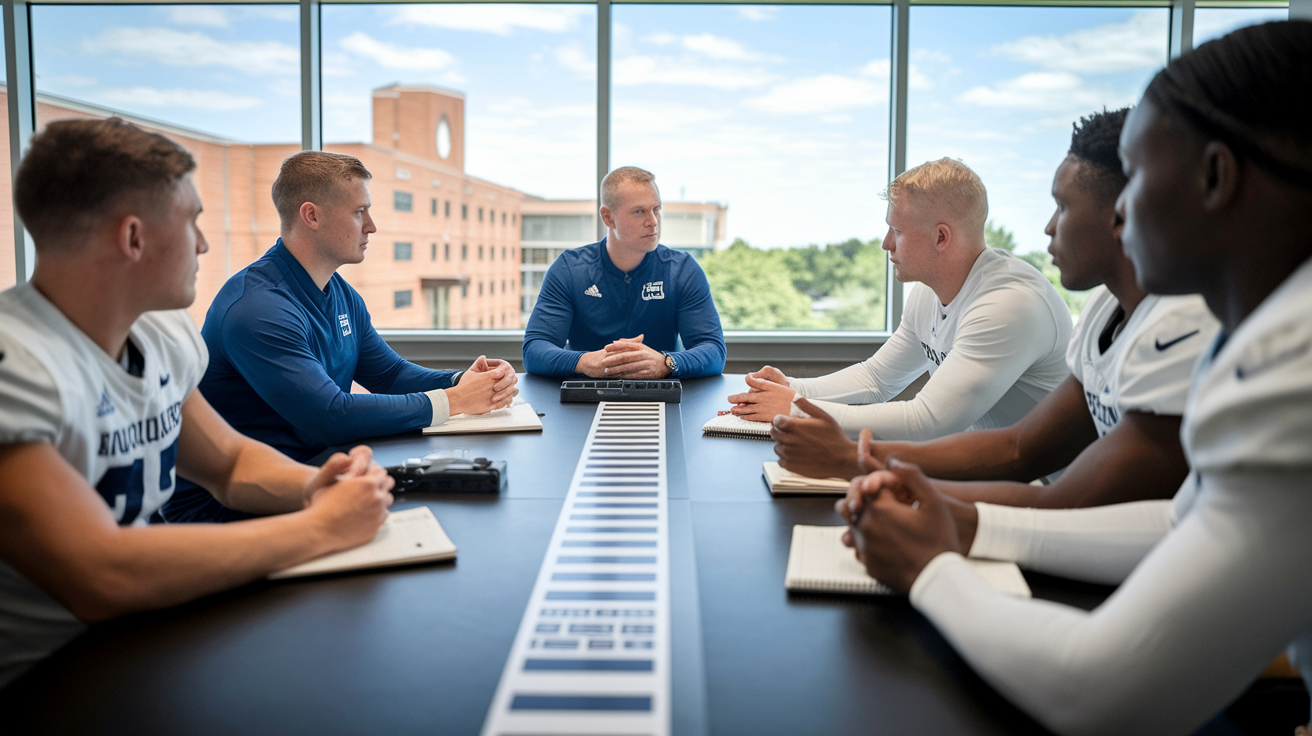
During fall campus visits, scouts work through a standard checklist designed to capture multiple perspectives inside the program. Pro liaison sets up access, but scouts also sit separately with the position coach, head athletic trainer, strength-and-conditioning coordinator, equipment manager, academic adviser. Each conversation zeroes in on behavior the staffer witnessed directly. Does the player show up early? Does he help younger teammates? How does he take criticism? Has he missed meetings or tutoring sessions?
Teammates give peer-level context that authority figures miss. Scouts ask roommates and linemates whether the guy gambles, uses substances, surrounds himself with people unconnected to the team. Players see off-campus life more clearly than coaches, so their input often reveals lifestyle risks like late-night habits, financial stress, romantic drama that don’t show up in formal records.
Prioritizing First-Hand Sources
Difference between a credible reference and noise is proximity. Position coach who spent four years in meeting rooms with a prospect offers firsthand evidence. A bartender who served him twice offers hearsay shaped by brief interactions and implicit bias.
Teams have learned to toss opinions from shopkeepers, nightclub staff, random students unless those sources can point to specific, documented incidents. One veteran exec recalled a report flagging a player because a waitress said he “dressed like a thug and tipped poorly.” Editorialized speculation that revealed more about the source than the prospect.
Best-practice teams require scouts to label every piece of intel as first-hand observation, corroborated second-hand, or unverified rumor, then weight only the top two tiers. This hierarchy forces investigators to chase direct witnesses. Graduate assistants who chaperoned team travel, academic tutors who tracked study hall attendance, hometown high school coaches who knew the family for years. Casual gossip that can’t be fact-checked gets ignored.
Combine and All-Star Game Interviews for Behavioral Assessment
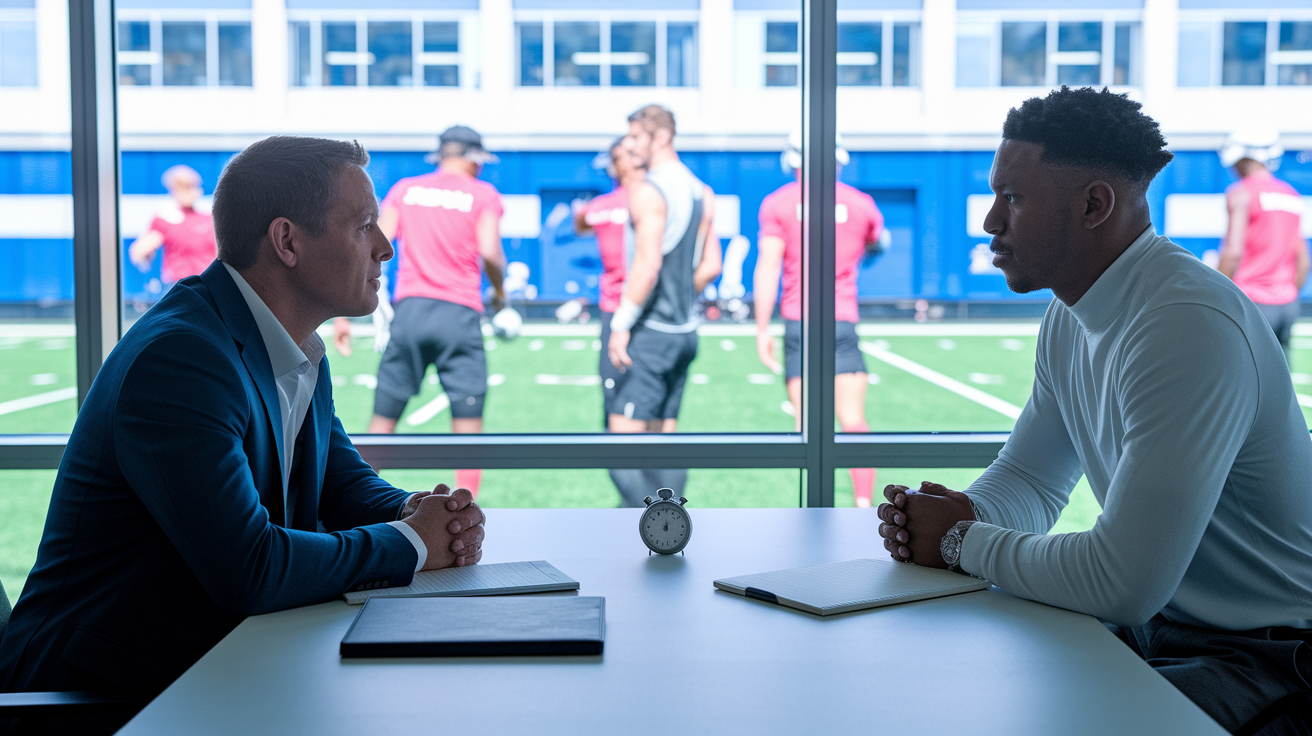
The Combine grants each club fifteen-minute windows with up to sixty prospects. Teams save most of those slots for players with red flags, underclassmen they couldn’t visit during the season, mid-round talents whose interviews might tip a close call. Coaches and general managers sit in on high-priority sessions, watching not just what the player says but how he says it. Eye contact, body language, tone when discussing past mistakes.
Experienced interviewers open with softball questions to establish rapport, then pivot to documented incidents. Failed drug test or team suspension becomes the focal point: “Walk us through what happened.” Goal is to hear whether the player owns the mistake, blames external forces, offers vague deflections.
One prospect with multiple failed tests for MDMA told different teams different stories. Some heard “I was drugged at a party,” others heard “I made a bad choice once.” The inconsistency across interviews raised more alarm than the original violation.
All-star games offer less formal settings. Scouts attend practices, meals, evening downtime, observing how prospects interact with strangers, handle coaching from unfamiliar staffs, respond to scrutiny from dozens of evaluators. A player who isolates himself, argues with temporary coaches, shows up late to meetings signals poor football character even if his personal conduct is clean.
Common behavioral flags teams track during interviews:
- Lack of eye contact or fidgeting when discussing past incidents, suggesting discomfort with the truth or rehearsed answers.
- Blaming coaches, teammates, or circumstances rather than accepting personal responsibility.
- Vague or shifting timelines that contradict documented dates in arrest reports or school disciplinary letters.
- Defensiveness or anger when asked follow-up questions, indicating inability to handle constructive feedback.
- Failure to articulate lessons learned or steps taken to change behavior after suspensions, arrests, team dismissals.
Tattoo, Photograph, and Digital-Footprint Checks Used to Spot Deeper Risks

Every prospect photographed at the Combine stands for front and back shots in athletic wear, supposedly to document physique. Teams also use those images to catalog tattoos, which get reviewed by consultants with gang-intelligence backgrounds. Certain symbols, numeric codes, geographic references can indicate affiliation with street organizations, prompting investigators to dig into the player’s hometown associations and social circle.
A 2007 NFL front-office symposium highlighted gang risks, warning that drafted players with active ties could face extortion, violence, pressure to funnel money to criminal networks. Since then, clubs routinely search arrest databases for the prospect’s known friends and relatives, checking whether associates have felony records or documented gang membership. One team flagged a running back whose Instagram photos repeatedly featured individuals later identified as members of a regional gang. The club passed despite first-round talent.
Teams also sweep digital platforms for recent activity:
- Twitter, Instagram, and TikTok accounts – Scouts screenshot posts showing weapons, drug paraphernalia, violent language, then ask the prospect to explain context during interviews.
- YouTube and public incident footage – Viral videos of bar fights, reckless driving, confrontations with police become part of the investigative file.
- Tagged photos and check-ins – Geolocation data and friend tags reveal whether a player frequents high-crime neighborhoods or associates with people outside his team environment.
- Comment threads and reply history – Patterns of online arguments, threats, disrespectful exchanges with fans and media can indicate impulse control issues.
Role of NFL Security, Private Investigators, and Third-Party Vetting
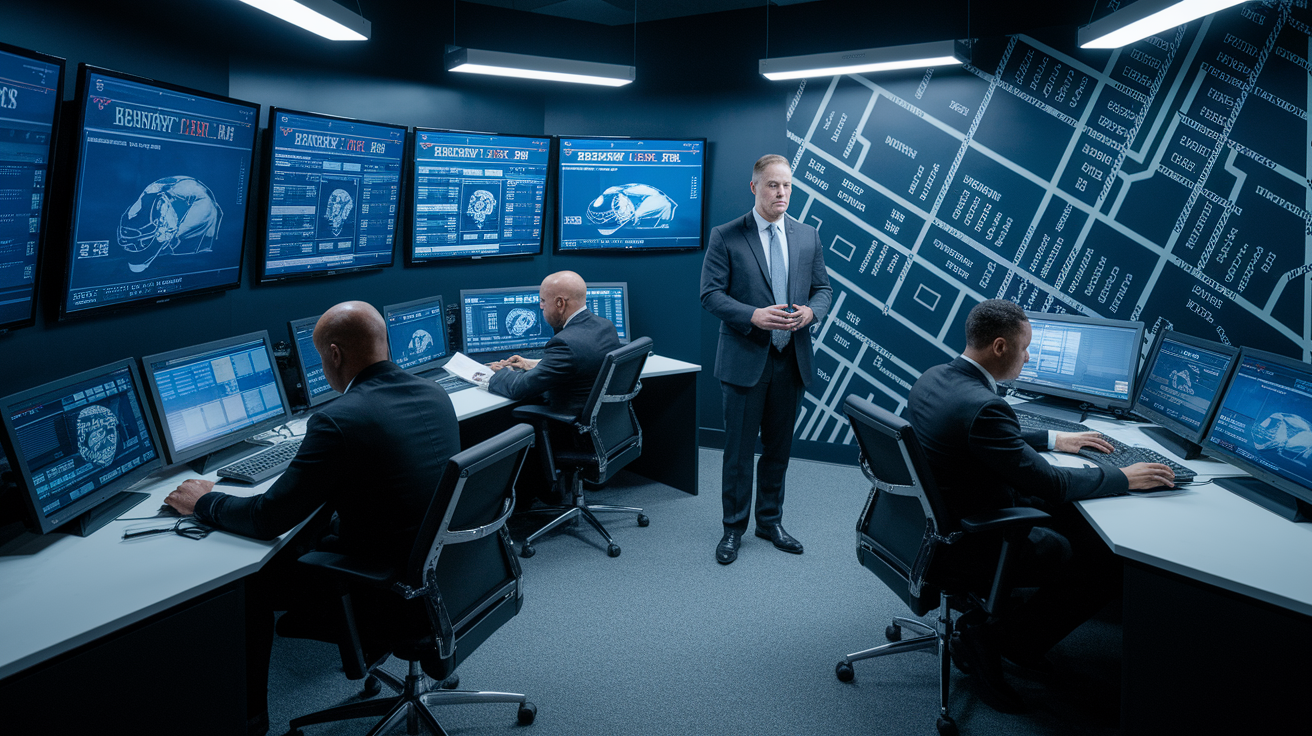
NFL Security operates as a centralized clearinghouse, compiling arrest records, conviction histories, traffic violations, prior league investigations into comprehensive pre-draft reports delivered to all thirty-two clubs. These dossiers pull from state and federal databases, cross-reference social security numbers and known aliases, include narratives summarizing each incident. Clubs treat the NFL feed as the starting point, not the endpoint. When a new arrest appears, scouts pull the original police report and court filings to verify facts.
Many teams bring in private investigators, typically managed through the head of security rather than the general manager. A former law enforcement pro in the security role screens PI findings, validates sources, filters out unverified gossip before presenting a clean intelligence summary to decision-makers. This separation prevents GMs and assistant GMs from chasing raw hearsay or overreacting to reputation noise that lacks documentary support.
Private investigators conduct neighborhood canvasses, interview non-athletic contacts such as former employers or landlords, verify claims made during prospect interviews. Player says he completed court-ordered rehab, the PI obtains discharge paperwork and speaks to the counselor. Rumors surface about gang ties, the investigator pulls associates’ criminal records and cross-checks addresses to confirm or disprove proximity.
Why Security Departments Filter PI Reports
Unfiltered investigator reports often contain editorialized opinions, unattributed gossip, speculative connections that can bias personnel decisions. A bartender’s comment that a prospect “hangs with the wrong crowd” might appear in raw notes alongside verified facts, creating false equivalence.
Security directors with investigative experience know how to distinguish actionable intelligence from secondhand commentary that reflects the source’s assumptions more than the player’s actual behavior. Court documents, firsthand witness statements, photographic evidence versus a bartender’s take.
By centralizing all vetting through one trained filter, teams prevent scouts or coaches from removing prospects based on unverified reputation items. Head of security also maintains continuity across draft cycles, ensuring that a prospect flagged as a freshman gets tracked through senior year and that corrective steps like completing anger-management counseling get documented and weighted in final risk assessments. This workflow reduces the chance that a talented player gets tossed due to stale or context-free rumors.
How Teams Weigh Talent vs. Character in Final Draft Meetings

The final call to draft or pass typically rests with a three-person core: the general manager, head coach, scouting director. In the days before the draft, this group reviews character profiles alongside medical reports and positional grades, asking a single question for every flagged prospect. Can we trust him? If the answer is no, talent becomes irrelevant. The player gets removed from the board regardless of athletic ceiling.
Teams evaluate character on two parallel tracks. Football character covers work ethic, coachability, competitive drive, leadership. Traits observable in practice and games. Personal character examines citizenship, academic engagement, family stability, quality of the player’s social circle.
A prospect can score high on football character but low on personal character, triggering debate about whether veteran locker room leadership can mitigate off-field risks. If both scores are poor, the player usually gets eliminated.
When the talent gap is wide—a potential All-Pro with a single misdemeanor versus a replacement-level player with a clean record—teams calculate whether their infrastructure can manage the risk. Clubs with strong position-group veterans, dedicated player-development staff, a history of successful reclamation projects are more willing to draft high-risk players in mid-to-late rounds. Teams in rebuilding mode or those without established locker room leaders tend to pass, preferring less talented but stable prospects who won’t destabilize a young roster.
| Factor | Impact on Draft Slot | Typical Threshold |
|---|---|---|
| Felony conviction | Drop 2–4 rounds or removal | Violent crime usually disqualifies; non-violent may allow late pick |
| Multiple failed drug tests | Drop 1–3 rounds | Completion of rehab required; relapse eliminates player |
| Team suspension or dismissal | Drop 2–5 rounds | Reinstatement and clean record post-incident needed |
| Contradictory interview | Removal from board | Any lie about documented facts disqualifies |
| Gang affiliation evidence | Removal or very late flier | Confirmed ties usually end consideration; unverified rumors weighted lightly |
Risk-mitigation tools include assigning a veteran mentor at the same position, mandating regular check-ins with team security, enrolling the player in financial-literacy programs, requiring attendance at club-sponsored community events to build positive off-field habits. Teams also negotiate contract structures with performance-based escalators and conduct clauses, allowing them to release a player without major cap consequences if issues resurface.
Even with safeguards in place, most execs acknowledge that character problems rooted in long-term patterns rarely disappear. Talented players with poor personal character might perform well for a year or two before reverting to destructive behavior and forcing a release.
Case Studies NFL Teams Use to Learn from Past Character Evaluations
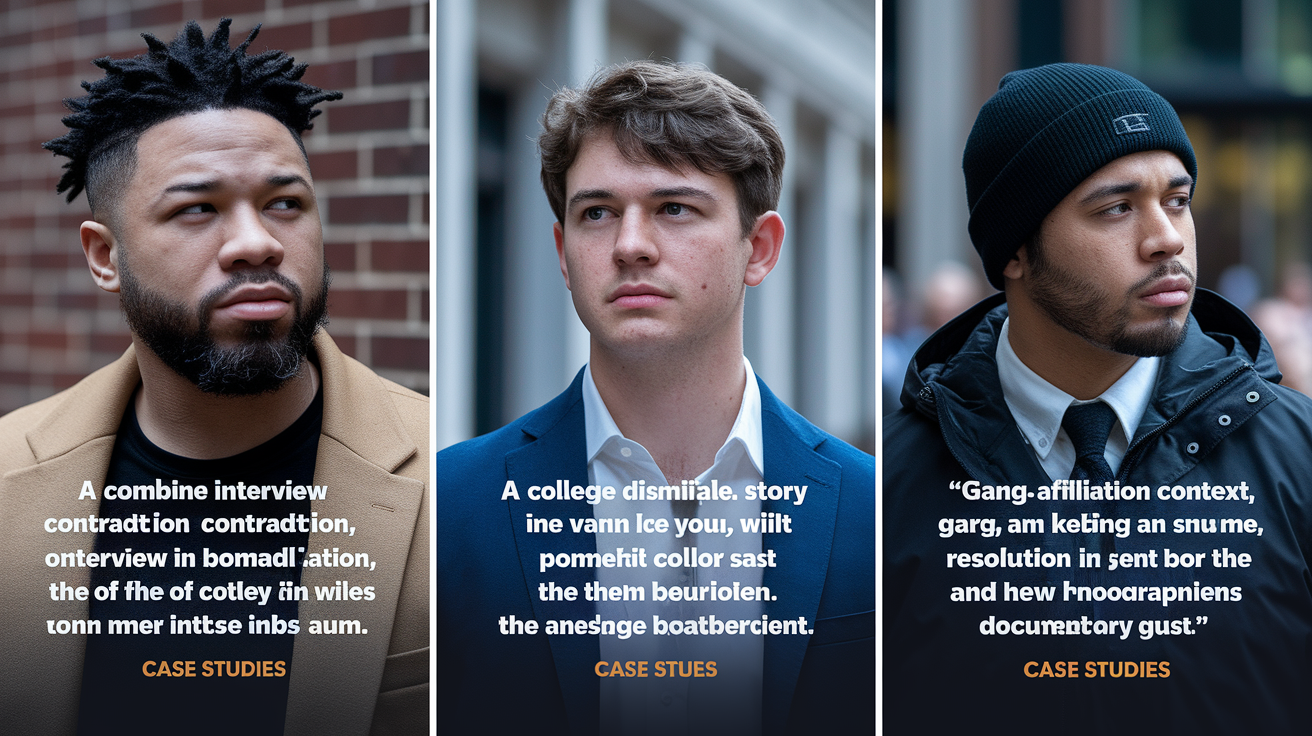
Real-world outcomes shape how teams refine their vetting processes. One widely cited example involved a prospect with second-to-third-round talent who’d been arrested on drug charges during college. His Combine interview contradicted the court record. He claimed teammates planted evidence, but the arrest report named only him as a defendant and documented his false statements to police. Multiple teams removed him from their boards. He went undrafted.
Lesson: contradictions between a player’s story and sworn documents are disqualifying, regardless of athletic ability.
Another case featured a player dismissed from his college team for violating team rules. During interviews, he blamed coaches for personal bias and refused to detail his own actions. Despite top-tier athleticism, his blame-shifting dropped him several rounds. He remains in the league but has cycled through multiple teams due to recurring conduct issues, validating the original character concerns that caused his draft-day slide.
Noah Spence, a defensive end banned by the Big Ten after multiple failed drug tests for MDMA, became a 2016 test case. Teams debated whether his completion of rehab and clean post-suspension record outweighed the pattern of lying to testers. Some clubs applied zero tolerance and removed him entirely. Others graded his football character as elite and drafted him in the second round, accepting the risk because they believed their support systems could prevent relapse.
Marion Grice’s story illustrated the danger of guilt by association. Charged with misdemeanor assault and criminal mischief related to a paintball prank, Grice had worked bagging groceries to afford college and maintained strong academic and football character. His close friend Joshua Woods, who had minor juvenile legal trouble, was shot and killed in December 2012 after being followed home from a mall. Some teams removed Grice from their boards purely because of his upbringing in a gang-affected neighborhood, ignoring context and firsthand testimony that neither he nor Woods were involved in criminal activity. The overreaction cost those clubs a productive late-round pick.
Key lessons teams pull from these and similar cases:
- Verify every claim during interviews – Cross-check player statements against legal documents and witness testimony. Any contradiction eliminates trust.
- Distinguish pattern from isolated incident – A single mistake followed by accountability and corrective action is manageable. Repeated violations or blame-shifting aren’t.
- Weight socioeconomic context without excusing behavior – Growing up in a high-crime area isn’t disqualifying, but ongoing ties to criminal networks are.
- Require demonstrated rehabilitation – Completion of court-ordered programs, clean post-incident records, maturity growth must be documented, not assumed.
Post-Draft Monitoring and Continued Character Evaluation
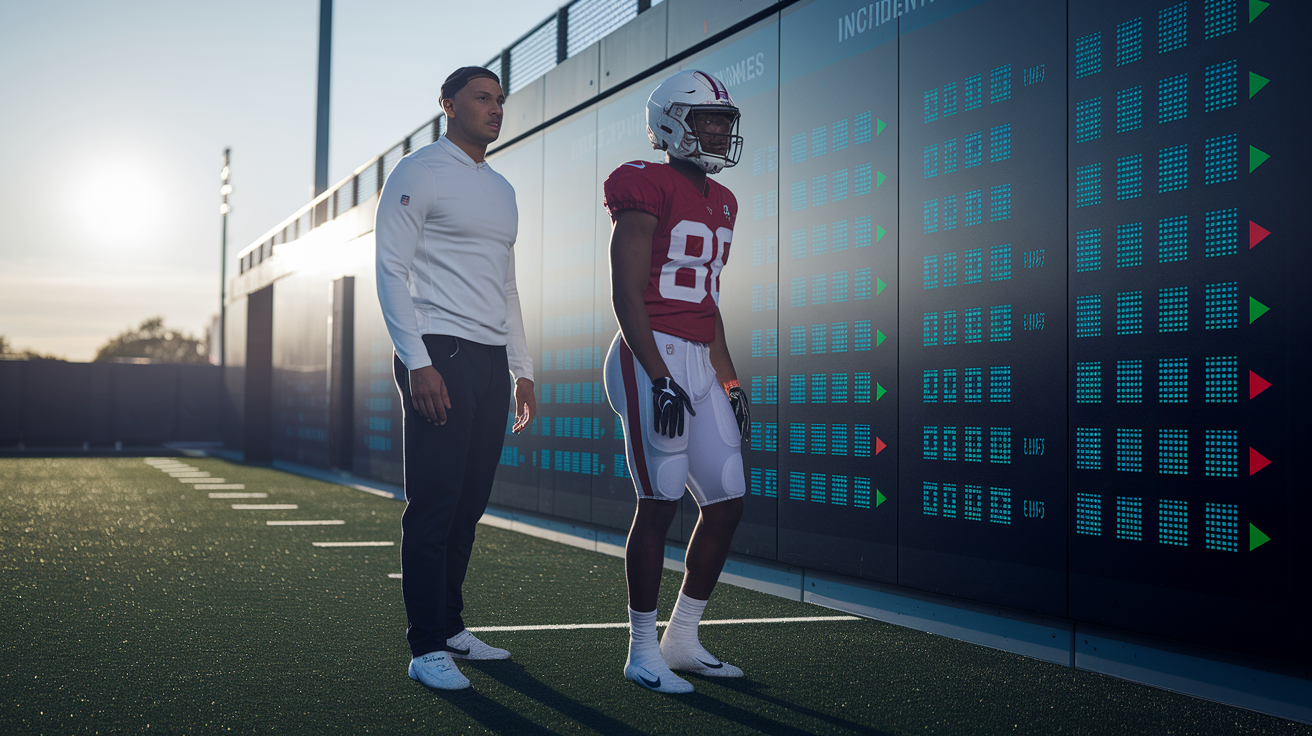
Character vetting doesn’t end on draft day. Teams that invest mid-to-late picks in high-risk prospects typically assign a veteran mentor, often a respected player at the same position, to monitor daily habits and provide real-time feedback. Player-development staff schedule regular one-on-one meetings to discuss time management, financial decisions, social-circle boundaries, treating the first year as an extended probationary period.
Security departments keep monitoring backgrounds, tracking arrests of known associates, scanning social media activity for red flags, maintaining contact with hometown sources who can alert the team to concerning behavior during the offseason. When a rookie shows signs of reverting—missed appointments, unexplained absences, new legal trouble—clubs escalate intervention, sometimes requiring the player to live in team-approved housing or attend mandatory counseling.
Outcomes vary. Some players with troubled backgrounds thrive under structure, using their NFL opportunity as motivation to break old patterns. Others perform well initially but regress after a year or two, validating the original character concerns and leading to release. One exec noted that clubs can “get by for a year or two” with a talented but high-risk player before the underlying issues resurface and derail the investment.
Common post-draft oversight tools:
- Weekly check-ins with player-development coordinators to review schedule adherence, social activities, any off-field incidents.
- Mentorship pairings with veteran leaders who model professionalism and provide accountability outside formal team settings.
- Ongoing background monitoring by team security, tracking arrests, civil filings, public incidents involving the player or his associates.
Final Words
In the action, teams open big in June and keep narrowing rosters through December and February, then use Combine interviews to test honesty, responsibility, and consistency.
They run records checks, coach and teammate interviews, tattoo and digital reviews, and bring in NFL Security and private investigators to verify things before final meetings.
Bottom line: this layered approach explains how NFL teams investigate prospect character concerns, and it’s designed to protect clubs while giving players clear chances to show they belong.
FAQ
Q: What QB is Mr. Irrelevant?
A: The QB who is Mr. Irrelevant is the quarterback picked with the final selection in the NFL Draft — the title refers to the draft’s last overall pick and changes every year.
Q: What did Shedeur Sanders say before the draft?
A: Shedeur Sanders said before the draft that he felt ready for the NFL, confident in his leadership and arm, and eager to prove doubters wrong as he transitioned to the pros.
Q: Why can’t you wear pink in the NFL?
A: You can’t wear pink in the NFL outside approved campaigns because the league’s uniform rules limit colors and accessories; pink is typically allowed only during breast‑cancer awareness events and special promotions.
Q: Is the NFL under investigation?
A: Whether the NFL is under investigation depends on the specific issue — the league or individual teams have faced probes at times, so check current reputable news for any active investigations.