
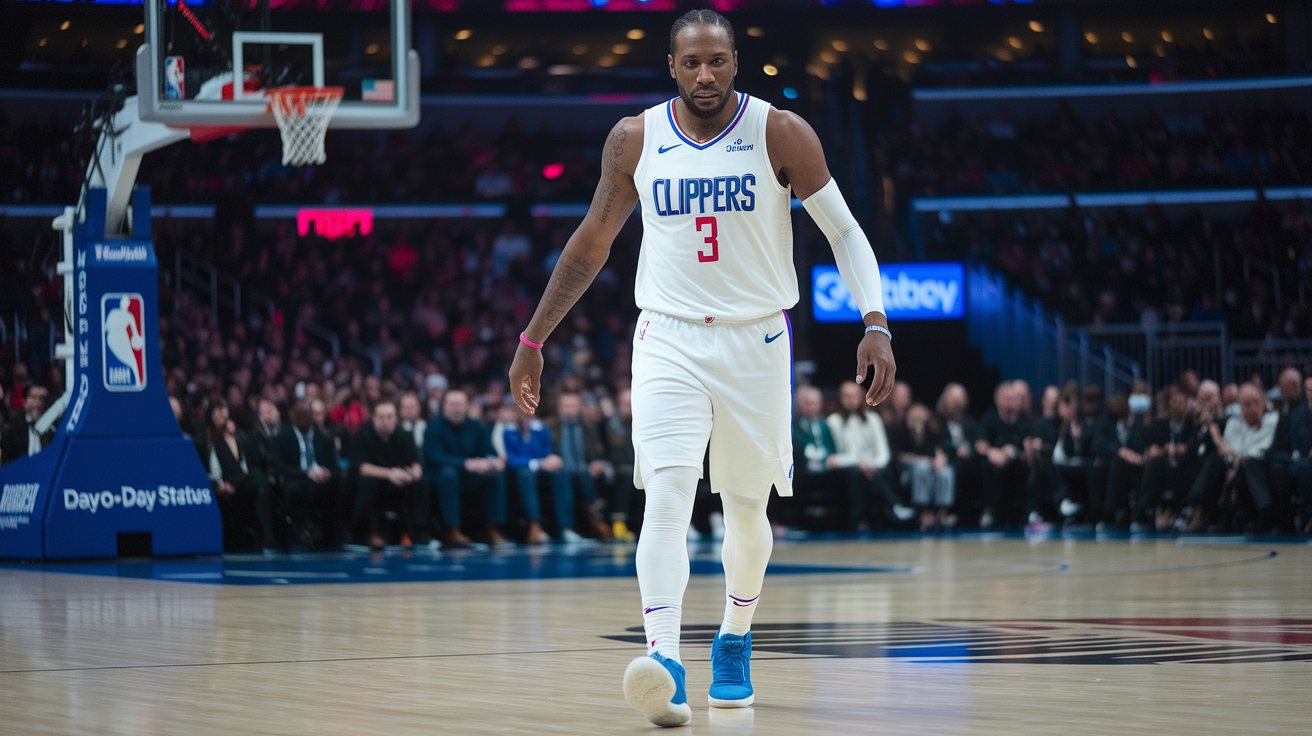

What if Kawhi sits and the Clippers lose the rivalry before it starts?
Leonard is listed day-to-day after an ankle sprain and a recent knee contusion, with no firm timeline, and that uncertainty already shifts matchups, rotations, and playoff math.
If he’s active, the Clippers can match the Lakers’ star power and stay competitive; if he misses time, James Harden faces a heavier load and L.A. tilts toward the Lakers.
This post breaks down the latest injury updates and the clear series implications.
Immediate Kawhi Leonard Injury Status and Its Direct Impact on the Clippers–Lakers Rivalry
Kawhi Leonard’s listed as day to day with a left ankle sprain from the Clippers’ loss to Sacramento. He’s been upgraded to questionable after missing three games with a left knee contusion he picked up January 10 against Detroit. The Clippers say he’ll travel with the team for their upcoming three game road trip (back to back in New Orleans, then Dallas on the weekend), but nobody knows if he’ll actually suit up. There’s no detailed medical timeline beyond “day to day” and no official clearance from the staff. The Clippers are juggling both injuries at once while the Lakers rivalry picks up steam.
The timeline’s a mess of stop and start availability. Leonard missed Monday’s 119-115 home loss to San Antonio after the ankle injury and got sent home for treatment following the knee issue in mid January. Earlier this season, he missed 10 games and the Clippers went 2–8. That stretch exposed just how fragile this team is without their two way anchor. When he’s been healthy? They went 7–1 in their last eight games with Leonard active, six of those wins by double digits. That’s not a coincidence.
For the Lakers rivalry specifically, Leonard’s uncertain status creates a gap the Clippers can’t easily fill. When he’s healthy, he neutralizes the Lakers’ best perimeter options and gives James Harden a second creator so he doesn’t have to carry the entire offensive burden himself. His absence shifts the whole competitive balance of the series. What should be a closely contested matchup becomes a potential mismatch.
Short term implications for the Clippers–Lakers rivalry:
- Defensive assignments collapse. Without Leonard, the Clippers lose their best option to guard LeBron James or Luka Dončić. Role players get forced into assignments they’re not built to handle.
- Scoring load on Harden doubles. Leonard’s 28 point average has to get replaced somehow, which pushes Harden’s usage rate into unsustainable territory and makes the offense predictable.
- Rotation uncertainty. The Clippers are already missing Bradley Beal, Bogdan Bogdanovic, and Derrick Jones Jr. Leonard’s absence compounds depth issues and limits tactical flexibility.
- Perimeter isolation creation disappears. Leonard’s ability to create his own shot in late clock situations is irreplaceable. That leaves the Clippers vulnerable in crunch time against a Lakers defense that can load up on Harden.
- Rivalry momentum swings to Lakers. The season series is tied 1–1. Leonard’s absence could hand the Lakers the tiebreaker and psychological edge heading into future playoff positioning.
Clippers vs Lakers Rivalry Dynamics and How Kawhi’s Health Shifts Competitive Balance
The Clippers and Lakers rivalry carries stakes beyond simple geography. It’s a battle for Los Angeles supremacy, playoff seeding, and legacy narratives. This season, the series is tied 1–1. Leonard posted 32 points, 12 rebounds, 3 assists, 3 steals, and 2 blocks in the Clippers’ 103-88 win on December 20. That performance highlighted exactly what the Clippers lose when he sits: a player who dominates both ends and erases the Lakers’ advantages. Meanwhile, Luka Dončić hasn’t lost to the Clippers since joining the Lakers, a streak that amplifies the psychological weight of every matchup and makes Leonard’s availability even more critical to breaking that narrative.
The franchises are traveling in opposite directions. The Clippers started 6–21 before winning 13 of their last 16 games to climb back into playoff contention. They’re sitting around the eighth or tenth seed depending on the day. The Lakers, by contrast, are 26–16 and “spectacular on the road,” comfortably positioned in the top five of the Western Conference. When Leonard plays, the Clippers can match the Lakers’ star power and two way balance. Without him? They’re a flawed Play In team relying on an aging James Harden to carry an unsustainable load.
Factors that shift the rivalry when Kawhi’s health is uncertain:
- Perimeter defense credibility. Leonard is the only Clipper capable of taking on Dončić or LeBron one on one without immediate help.
- Star power parity. With Leonard active, the Clippers can counter the Lakers’ top end talent. Without him, the Lakers hold a decisive advantage in high leverage matchups.
- Isolation scoring balance. Leonard’s ability to create his own shot late in games keeps the Clippers unpredictable. His absence makes the offense Harden dependent and easier to scheme against.
- Playoff seeding leverage. Every head to head win affects tiebreakers and postseason positioning. Leonard’s availability is a direct factor in whether the Clippers climb or slide.
- Psychological edge. Dončić’s undefeated streak against the Clippers as a Laker becomes harder to break if Leonard isn’t on the floor to disrupt it.
- Roster depth exposure. The Lakers can survive injuries to role players. The Clippers, already missing Beal, Bogdanovic, and Jones Jr., can’t absorb another rotation blow without Leonard as the stabilizer.
Statistical Impact: Clippers With vs Without Kawhi Leonard in This Season’s Matchups
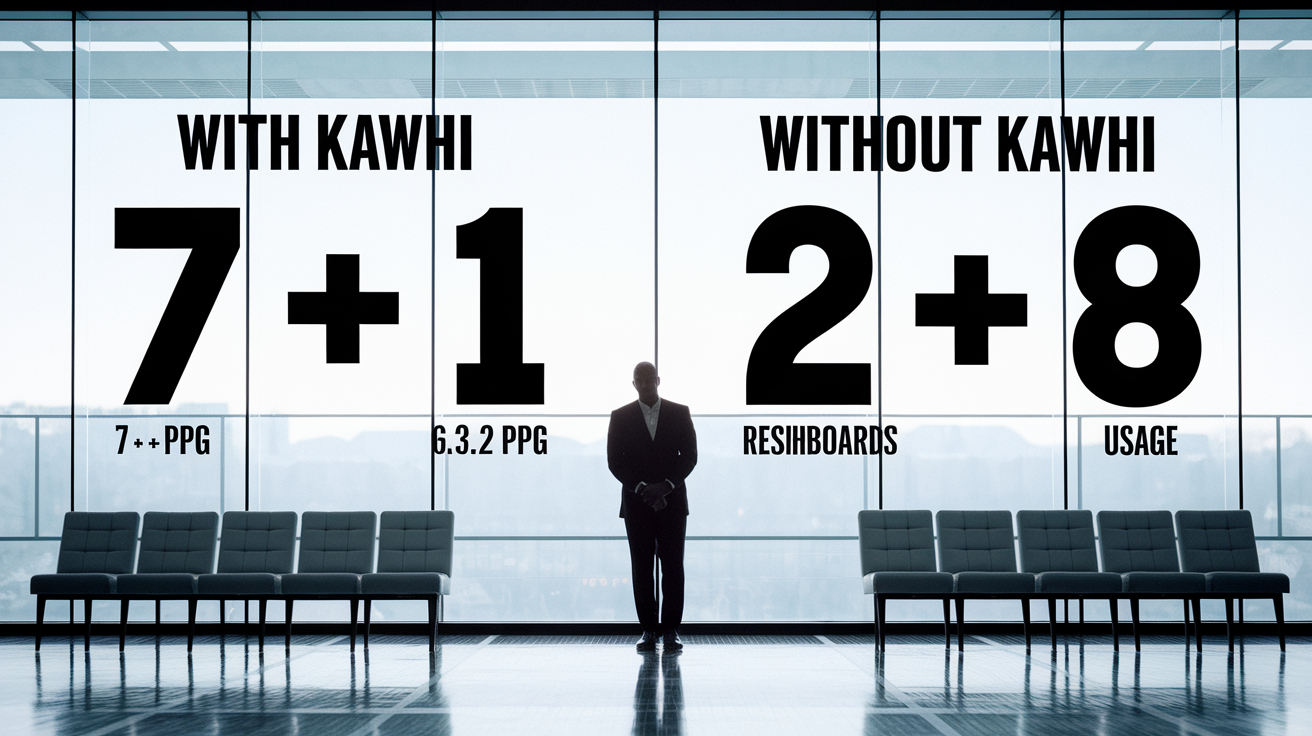
The numbers make it simple. The Clippers are a completely different team when Kawhi Leonard plays. In their last eight games with him active, they went 7–1, with six of those victories coming by double digits. During a previous 10 game absence earlier this season, they stumbled to a 2–8 record, a stretch that nearly buried their playoff hopes before the calendar turned. That 22 point swing in winning percentage isn’t just noise. It’s the difference between a legitimate playoff contender and a Play In team scrambling to stay relevant.
Leonard’s individual production backs up the team level impact. He’s averaging between 28.2 and 28.3 points per game depending on the timeline, along with roughly 6.3 rebounds, 3.5 to 3.7 assists, and 2.0 to 2.2 steals per game. Those are league leading steals numbers that reflect his ability to disrupt opposing offenses before they even get into their sets. He’s shooting nearly 50% from the field, an efficiency rate that stabilizes the Clippers’ offense and prevents the stagnation that creeps in when James Harden is forced to dominate the ball for 35 minutes. When Leonard sits, Harden’s scoring jumps to 26–27.8 points per game, but the offensive rating drops because Harden’s volume comes with longer possessions, fewer assists, and predictable late clock isolations.
The defensive side of the ledger is even starker. With Leonard on the floor, the Clippers can switch across multiple positions, protect the rim with weak side rotations, and pressure ball handlers at the point of attack. Without him, they lose their best perimeter defender and their ability to guard the Lakers’ best player without sending help, which in turn opens up driving lanes and three point opportunities. The Clippers’ defensive rating improves by several points per 100 possessions when Leonard plays, a margin that directly correlates to their ability to close out tight games in the fourth quarter.
| Metric | With Kawhi | Without Kawhi |
|---|---|---|
| Team Record (recent stretches) | 7–1 (last 8 games) | 2–8 (10 game absence) |
| Kawhi’s Scoring Average | 28.2–28.3 PPG | N/A (Harden picks up ~26–27.8 PPG) |
| Field Goal Efficiency | ~50% (Leonard) | Drops as Harden volume increases |
| Defensive Assignment Quality | Can guard opponent’s best player | Role players forced into mismatches |
Lineup and Rotation Changes for the Clippers Without Kawhi Leonard
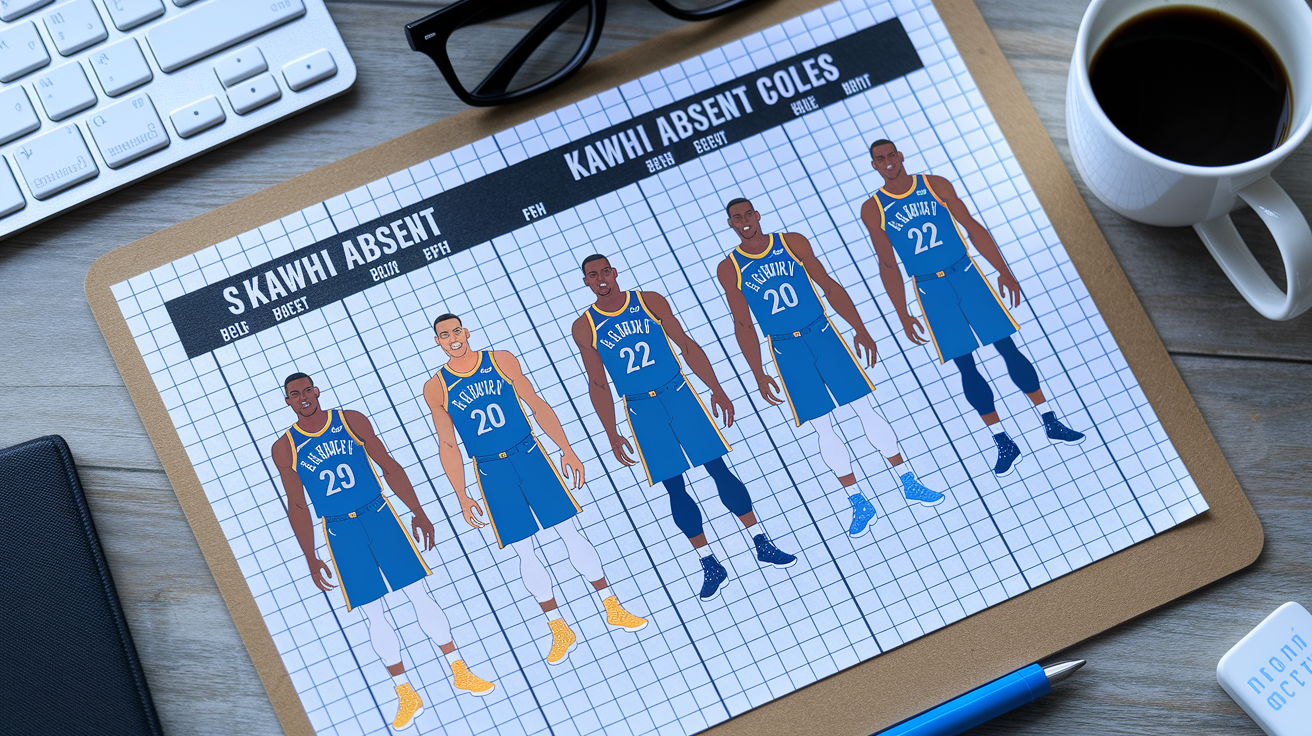
When Kawhi Leonard sits, the Clippers lose their most versatile defender and their second most reliable scorer. That forces head coach adjustments across the entire rotation. Bradley Beal is out for the season with a left hip fracture, Bogdan Bogdanovic is sidelined with a left hamstring injury, Derrick Jones Jr. is out with a right knee sprain, and Chris Paul isn’t with the team due to a personal matter. That injury pile up leaves the Clippers with almost no perimeter depth. Leonard’s absence isn’t just a star missing. It’s a catastrophic rotation gap that shifts the entire defensive and offensive structure.
Without Leonard, the Clippers lean heavily on James Harden to handle both playmaking and isolation scoring, pushing his usage rate into territory that historically leads to fatigue and diminished efficiency. On defense, the team loses the ability to assign Leonard to the opponent’s best scorer. Role players get forced into matchups they’re not equipped to handle. The Clippers are forced to run smaller lineups, sacrifice defensive switching flexibility, and rely on Ivica Zubac to anchor the paint while perimeter players scramble to cover gaps left by Leonard’s absence.
| Position | Kawhi Present | Kawhi Absent |
|---|---|---|
| Starting Wing / Primary Defender | Kawhi Leonard (guards opponent’s best player) | Role player (mismatch vulnerability increases) |
| Secondary Ball Handler / Creator | Leonard (28+ PPG, isolation scoring) | Harden assumes full creation load |
| Perimeter Defense | Switchable, high pressure at point of attack | Help defense required, rotations slower |
| Bench Wing Minutes | Managed, limited pressure on depth | Extended minutes for unproven options |
| Late Game Isolation Options | Harden + Leonard (two headed attack) | Harden only (predictable, easier to scheme) |
Lakers Matchup Adjustments Against a Potentially Kawhi-Less Clippers Squad
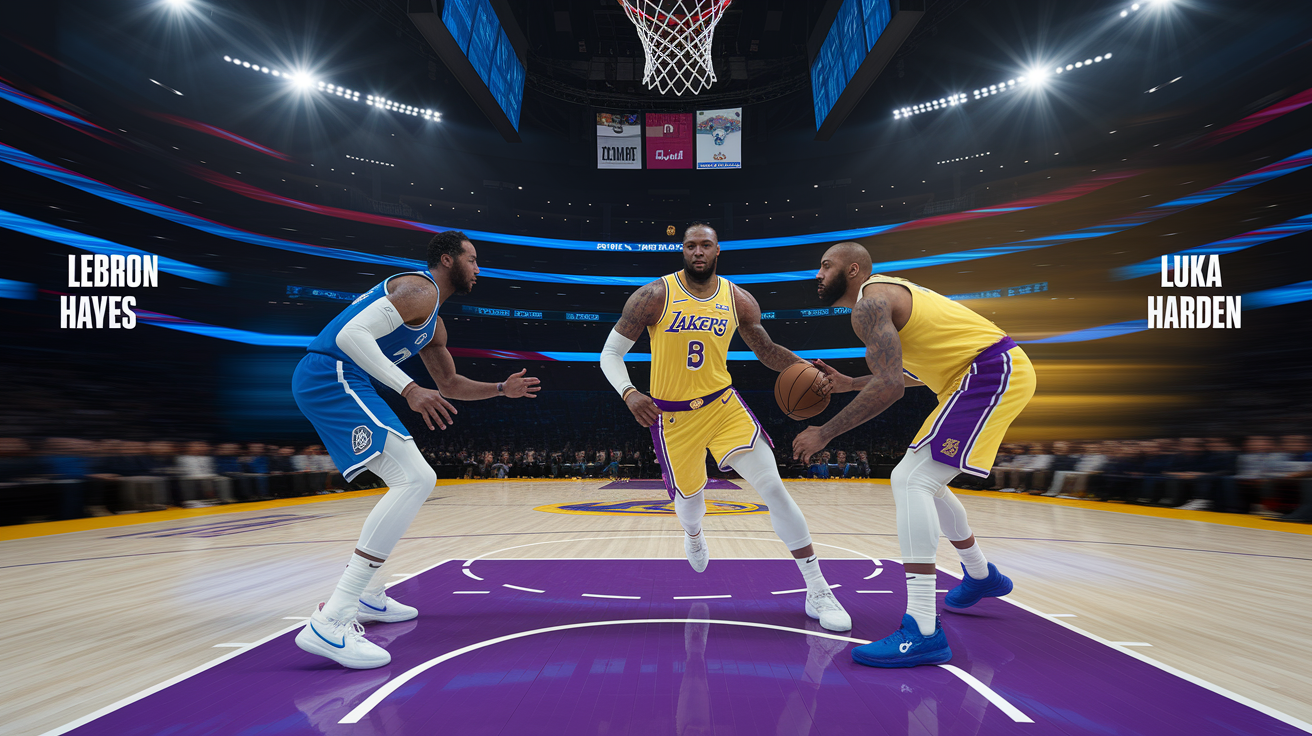
The Lakers’ game plan shifts dramatically when Kawhi Leonard is unavailable. Without Leonard on the floor, the Clippers lose their best option to slow down LeBron James or Luka Dončić. The Lakers can attack more aggressively in transition and in isolation sets. They can load up defensively on James Harden, knowing there’s no secondary perimeter threat capable of creating efficient offense when the ball swings. This turns the Clippers’ offense into a predictable Harden centric attack that the Lakers can scheme against by sending help early and daring role players to beat them from the perimeter.
On the other end, the Lakers face their own matchup challenges. Deandre Ayton is out with a right knee contusion, which means Jaxson Hayes is expected to guard Ivica Zubac, who’s averaging 17.0 points and 11.6 rebounds per game. That creates a size and physicality mismatch inside. The Lakers will need to counter by speeding up the pace, forcing the Clippers into transition defense where Zubac’s lack of lateral quickness becomes exploitable. The Lakers are “spectacular on the road” and sitting comfortably in the top five of the Western Conference, meaning they enter this matchup with both momentum and tactical flexibility.
The Lakers can also exploit the Clippers’ depleted wing rotation. With Leonard, Beal, Bogdanovic, and Jones Jr. all unavailable, the Clippers have no credible answer for LeBron or Luka in one on one situations. The Lakers can run high pick and roll sets, force switches onto mismatched defenders, and create open three point looks when the Clippers are forced to collapse help defense. If Austin Reaves returns from his left calf strain, the Lakers add another playmaker who can exploit the Clippers’ lack of perimeter depth. Without Kawhi, the Lakers hold nearly every matchup advantage on both ends of the floor.
Series Implications: Seeding, Tiebreakers, and Betting Movement with Kawhi’s Uncertain Status
The Lakers are fighting for a top five playoff spot in the Western Conference. The Clippers are hovering around the eighth to tenth seed, scrambling to avoid the Play In Tournament entirely. The season series is tied 1–1, meaning the next meeting decides the tiebreaker. That’s a critical detail if both teams finish with identical records and need head to head results to determine playoff positioning. Kawhi Leonard’s availability for that next game could be the single factor that swings the entire season series and affects which team secures home court advantage in a potential first round matchup.
The Clippers’ recent surge (13 wins in their last 16 games after starting 6–21) has kept them in the playoff conversation, but that momentum depends entirely on Kawhi’s health. Without him, the Clippers revert to the team that opened the season in freefall, and the Lakers can pull away in the standings. Betting markets have already begun adjusting lines based on Leonard’s status updates, with spreads shifting by several points depending on whether he’s listed as questionable or out. If he’s ruled out, the Lakers become heavy favorites, and the Clippers’ playoff odds take another hit in a tightly packed Western Conference where every game carries seeding weight.
Game by game series prediction structure if Kawhi remains uncertain:
- If Kawhi plays: Clippers have a realistic chance to win the season series and claim the tiebreaker, which could move them up as high as sixth or seventh and avoid the Play In entirely.
- If Kawhi sits one game: Lakers likely take the series lead, and the Clippers fall further behind in the standings, increasing their odds of landing in the ninth or tenth seed.
- If Kawhi misses multiple games: The Clippers risk dropping out of playoff contention altogether, and the Lakers lock in a top five seed with home court advantage in the first round.
- Season series outcome: Whichever team wins the season series gains a psychological edge and a tiebreaker advantage that could decide playoff matchups in April.
Sports Medicine Breakdown: Understanding Kawhi Leonard’s Knee and Ankle Issues
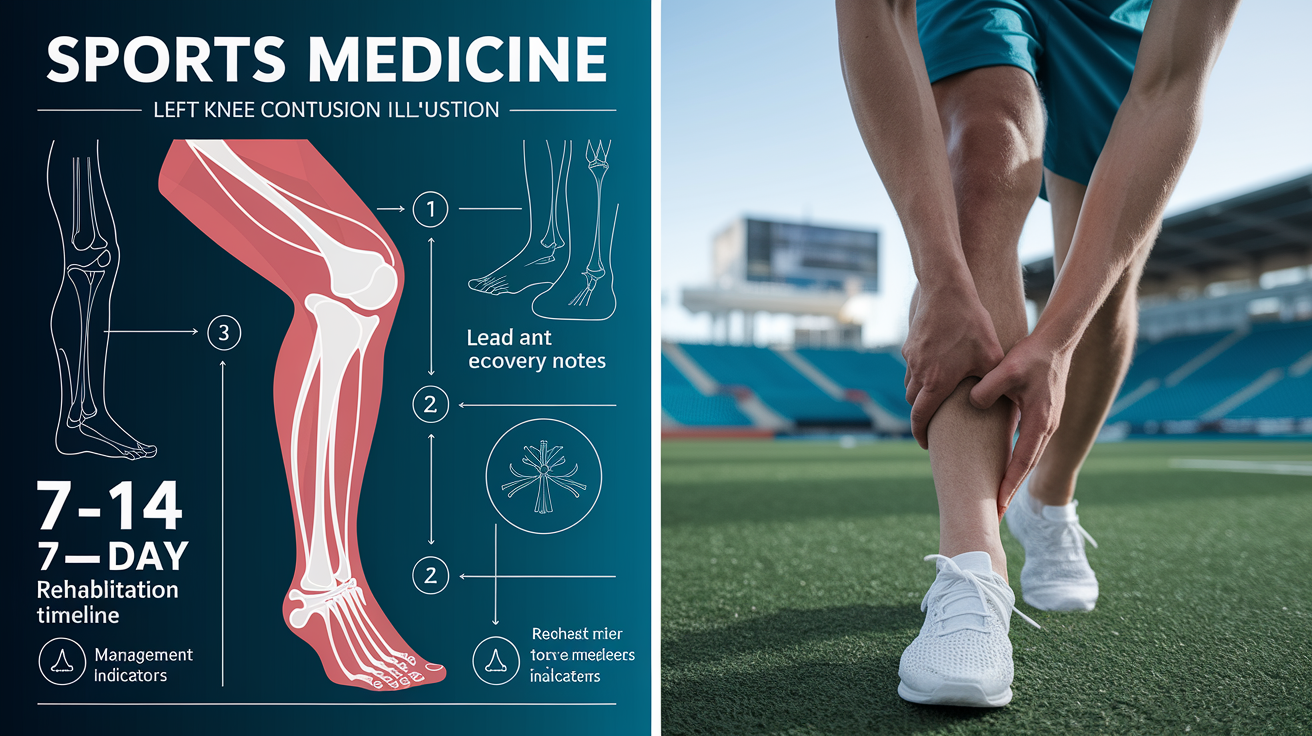
Kawhi Leonard’s managing two separate lower body injuries: a left knee contusion suffered on January 10 against Detroit and a left ankle sprain sustained during the Clippers’ loss to Sacramento. Both injuries fall under the category of soft tissue trauma, which means the timeline for recovery is unpredictable and depends on how the body responds to rest and treatment. A contusion is essentially deep bruising of the muscle or bone, caused by direct impact. While it’s not a structural injury like a ligament tear, it can linger if the area gets re aggravated before fully healing. The ankle sprain likely involves stretched or partially torn ligaments, which require careful load management to prevent chronic instability.
The Clippers have provided no detailed medical timeline beyond the day to day and questionable designations. That suggests the team’s being cautious and monitoring symptoms on a game by game basis. Leonard traveled with the team on the three game road trip, but his availability remained unclear, indicating the medical staff is waiting to see how the injuries respond to activity before clearing him for full contact. This approach is standard for high value players with injury histories, where the risk of rushing back and causing a longer term setback outweighs the short term benefit of one or two extra games.
Re injury risk is the primary concern. If Leonard returns too early and compensates for pain in his ankle or knee, he could alter his biomechanics and create additional stress on other joints (hamstrings, hips, or the opposite leg). Soft tissue injuries often take 7 to 14 days to settle down, but athletes frequently feel ready to play before the tissue is fully healed, leading to recurring flare ups that extend the total time lost. Without official imaging reports or rehab benchmarks released by the team, the only reliable indicator is how Leonard moves in practice and whether he can change direction, decelerate, and absorb contact without visible discomfort.
X-Factors and Role Players Who Could Swing the Series if Kawhi Sits
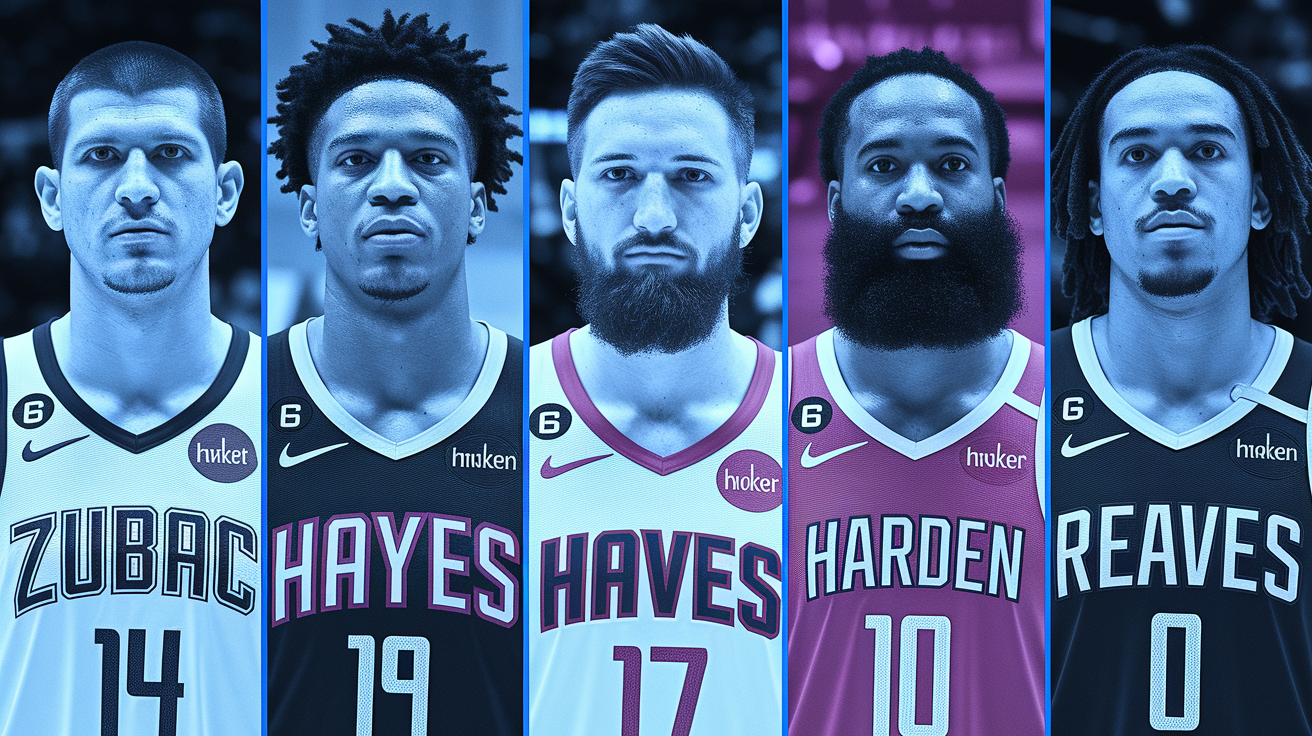
When Kawhi Leonard’s unavailable, the Clippers need secondary players to step up in ways they’re not typically asked to perform. James Harden becomes the obvious candidate to shoulder more offensive responsibility, but the real x factors are the role players who must fill the defensive void and provide just enough scoring to keep the Lakers from loading up entirely on Harden. Ivica Zubac’s interior presence becomes even more critical. He’s averaging 17.0 points and 11.6 rebounds per game, and his ability to dominate the paint against a Lakers team missing Deandre Ayton could swing tight games. If Zubac can force the Lakers into foul trouble and control second chance opportunities, the Clippers have a path to winning even without their best wing.
On the Lakers side, the absence of Austin Reaves (sidelined since Christmas Day with a left calf strain) removes a key playmaker and perimeter shooter who can exploit the Clippers’ depleted wing rotation. If Reaves returns, he instantly becomes a matchup advantage the Clippers can’t easily solve. LeBron James and Luka Dončić are expected to play without restrictions, and both players historically elevate their performance in rivalry games. Veteran leadership becomes decisive in these situations. The Lakers have the experience and the depth to adjust on the fly, while the Clippers are relying on Harden to provide both scoring and calming presence in late game situations.
Five role players who could swing the series:
- Ivica Zubac (Clippers). Interior dominance and rebounding could offset perimeter mismatches if he controls the paint and forces Lakers into foul trouble.
- Jaxson Hayes (Lakers). Expected to guard Zubac despite a size disadvantage. His mobility and energy on defense could neutralize the Clippers’ inside game.
- James Harden (Clippers). Already a star, but becomes an x factor if he can sustain 35+ minutes of high usage offense without fatigue affecting his late game efficiency.
- Austin Reaves (Lakers, if he returns). Adds playmaking and three point shooting that exploits the Clippers’ lack of wing depth and forces rotations the Clippers can’t handle.
- Bench scoring depth (both teams). With both rosters dealing with injuries, whichever bench unit can provide 15–20 combined points without defensive breakdowns will likely determine close games in the fourth quarter.
Final Words
In the action: Kawhi Leonard is day-to-day after a Jan. 10 knee contusion and a later left ankle sprain, and his status has flipped to questionable.
We laid out the timeline, medical notes, on/off numbers (2–8 without, 7–1 with), rotation shifts and Lakers matchup plans.
We’ll keep tracking clippers vs lakers rivalry kawhi leonard injury updates and series implications, and either way this on-court matchup this season should be must-watch and competitive.
FAQ
Q: What tragedy happened to Kawhi Leonard?
A: The tragedy that happened to Kawhi Leonard was a string of injuries — a left knee contusion on Jan. 10 and a later left ankle sprain, leaving him day‑to‑day and missing multiple games.
Q: How much money do the Clippers owe Chris Paul?
A: The Clippers owe Chris Paul an amount tied to his contract, but this update doesn’t list the exact money owed; contract details weren’t included.
Q: Is the NBA investigating the Clippers?
A: The NBA isn’t reported to be investigating the Clippers in this update; no mention of an investigation appears, only updates on Kawhi’s injury and team status.
Q: Could Kawhi Leonard go to the Lakers?
A: Kawhi Leonard going to the Lakers isn’t discussed here; the piece focuses on his injury status and series impact, with no trade talk or indications he’ll join L.A.