
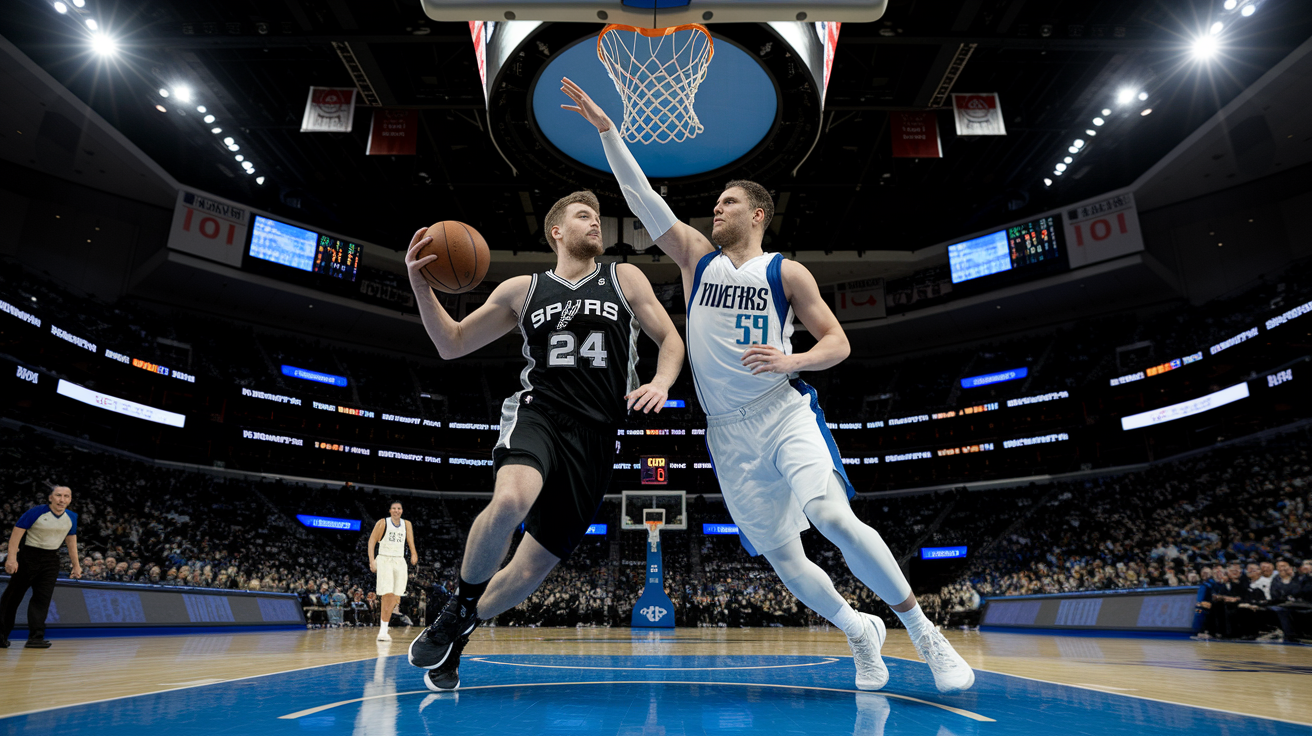

Is the Mavericks vs Spurs rivalry over, or just changing hands?
San Antonio crushed Dallas 138-125 on May 1, finishing a home-and-home sweep that felt like more than one game.
Stephon Castle’s 40-12-12 triple-double and a 74-point show in the paint made the Spurs look like a team with an identity.
Dallas, meanwhile, fell to seven straight losses and still lacks a steady playmaker.
Bottom line, this game marks a clear turning point, with the Spurs’ young core ascending while the Mavericks slip into a painful reset.
Immediate Recap of the Latest Mavericks vs Spurs Showdown
The San Antonio Spurs dismantled the Dallas Mavericks 138-125 on May 1, 2026, finishing off a home and home sweep that showed just how far apart these two Texas teams really are right now. San Antonio jumped out early with a 16-6 run that had Jason Kidd calling timeout before most fans had settled into their seats, then pushed the lead to 39-32 by the end of the first quarter. Dallas clawed back briefly when Brandon Williams hit a three to cut it to 21-18, but the Spurs answered with relentless drives to the basket that ballooned the halftime cushion to 81-67. When the fourth quarter tipped off, San Antonio was already up 116-91, cruising on a devastating 32-16 run through the back half of the second quarter that left Dallas grasping for answers.
The Spurs won this game in the paint, where they scored 74 points while Dallas’ transition defense fell apart over and over. San Antonio’s ability to get out and run early, then keep attacking the rim even in the halfcourt, let them control the game’s pace from start to finish. The 13-point final margin actually makes it look closer than it was. Dallas never threatened after halftime, and San Antonio spent most of the fourth quarter giving rotation guys extended run.
This was the second straight win for the Spurs over Dallas this season, and the lopsided nature of it underscored a bigger shift in how this rivalry’s shaping up. While Dallas slid to seven straight losses and continued sorting through roster chaos, San Antonio looked like a team that’s figured out its identity and is building something real.
Key Performances That Shaped the Mavericks vs Spurs Rivalry Narrative
Stephon Castle put up a performance that’ll echo through Spurs history for years. 40 points, 12 rebounds, 12 assists on 15 for 19 shooting and 3 for 5 from three. The 40-12-12 line made Castle the youngest player in NBA history to post a 40-point triple-double and only the second Spur ever to do it, joining David Robinson. Six turnovers were the only rough spot on an otherwise historic night, but his ability to run the offense, attack the rim, and set teammates up defined everything that happened. Starting him instead of Harrison Barnes unlocked a pace and spacing combo that overwhelmed Dallas from the opening tip.
Carter Bryant turned into a crucial secondary weapon during that massive 32-16 second quarter run, drilling three threes and swatting three blocks while showing off the kind of athletic rim protection that swung momentum hard toward San Antonio. For Dallas, Klay Thompson led the bench with 19 points, but the Mavericks couldn’t generate any consistent offensive flow without a real playmaker. Cooper Flagg had a wild night that included an early turnover tied to the Spurs’ opening surge and a scary ankle moment when his foot bent awkwardly. He came back and finished the game, but that brief injury scare highlighted just how fragile Dallas’ current roster really is.
Top Performers and Their Rivalry Impact:
- Stephon Castle – 40 points, 12 rebounds, 12 assists, 3 steals. Youngest ever 40-point triple-double. This is the kind of breakout that defines future Texas showdowns.
- Carter Bryant – Three threes and three blocks in that pivotal second quarter run. His athleticism and defensive versatility gave Dallas problems they couldn’t solve.
- Klay Thompson – 19 points off the bench for Dallas. Veteran scoring kept the Mavericks competitive early but he didn’t get enough help.
- Cooper Flagg – Turnover on the opening possession, ankle scare mid-game, but stayed active. His rookie inconsistency mirrored Dallas’ broader struggles.
- Victor Wembanyama – Though exact stats from this game weren’t detailed, his presence anchored San Antonio’s interior dominance and rim protection that kept Dallas from finishing efficiently inside.
Tactical Breakdown of Mavericks vs Spurs Strategies in the Latest Meeting
San Antonio’s game plan targeted every structural weakness in Dallas’ defense, starting with a calculated assault in transition that netted nine fast break points before the Mavericks could even get into their halfcourt sets. The Spurs pushed pace relentlessly, turning early turnovers and missed shots into immediate offense while Dallas’ rotations consistently lagged a step behind. When the Mavericks briefly found their rhythm early in the second quarter, knocking down three straight threes to grab a fleeting two-point lead, the Spurs adjusted by feeding the ball inside and trusting their size and athleticism advantages. The 32-16 run that followed was a clinic in forcing Dallas to defend in space, then punishing closeouts with crisp interior passes and second chance buckets.
Jason Kidd’s defensive scheme couldn’t contain the Spurs’ versatile weapons, especially after the lineup change that inserted Castle into the starting five. Castle’s drives collapsed the defense and opened kickout opportunities for Bryant and others, while Wembanyama’s gravity near the rim forced Dallas to send extra help defenders, leaving shooters wide open on the weak side. The Mavericks tried zone looks and aggressive trapping on the perimeter, but San Antonio’s ball movement kept finding the open man. Those 74 paint points tell you everything about a defense that couldn’t protect the rim or stop dribble penetration.
Dallas showed flashes of offensive competence during that early second quarter burst, but without a consistent primary ball handler they got stuck in isolation sets that became predictable and stagnant. The Spurs’ switching defense erased most pick and roll advantages, and when Dallas did generate open looks, they didn’t have the floor spacing to capitalize consistently. The tactical gap showed up most clearly in how each team closed possessions. San Antonio controlled the glass and limited second chances for Dallas, while the Mavericks kept giving up offensive boards that extended Spurs possessions and fueled the run that broke the game wide open.
| Tactical Area | Spurs Approach | Mavericks Approach |
|---|---|---|
| Transition Offense | Pushed pace early with nine fast break points, exploited Dallas’ slow rotations and lack of rim protection | Tried to slow tempo and set halfcourt defense but got beaten repeatedly in early offense and gave up easy buckets |
| Interior Scoring | Dominated the paint with 74 points, used Wembanyama’s gravity and Castle’s drives to create layups and dunks | Struggled to defend the rim, zone adjustments failed to limit dribble penetration or prevent second chance points |
| Perimeter Defense | Switched aggressively to neutralize Dallas’ pick and roll, forced contested jumpers and limited open threes | Closeouts were late and inconsistent, allowed Bryant and others open looks during that critical second quarter run |
Updated Mavericks vs Spurs Rivalry Context After the Latest Game
This lopsided outcome marks San Antonio’s second straight win over Dallas this season, following the October 22 meeting, and signals a clear shift in the power dynamic of a rivalry that’s historically swung on razor-thin playoff series and regular season battles for Western Conference positioning. The 13-point final margin doesn’t capture the Spurs’ actual control. They led by as many as 24 in the third quarter and spent the entire second half managing the clock rather than extending their lead. The Mavericks came in on a six-game losing streak and left with number seven, a tailspin that shows a franchise in transition while the Spurs are showcasing the depth and execution of a team building toward title contention.
San Antonio’s dominance signals the arrival of a new generation capable of redefining this rivalry’s narrative. Stephon Castle’s historic triple-double and Carter Bryant’s athletic defensive flashes offer a preview of how the Spurs plan to stay competitive long after the Tim Duncan, Tony Parker, and Manu Ginobili era. For Dallas, the absence of a clear go-to star and reliance on veterans like Klay Thompson plus developmental pieces like Cooper Flagg shows a roster caught between rebuilding and competing. That reality leaves the Mavericks vulnerable to continued blowouts until they get organizational clarity and roster stability back.
Major Rivalry Shifts Over the Last Decade:
- Spurs’ post-Big Three rebuild – Transition from championship core to youth movement, with Wembanyama’s arrival and Castle’s emergence accelerating the competitive timeline.
- Mavericks’ championship window closure – Dallas’ aging roster and salary clearing moves signal a step back from contention, widening the competitive gap.
- Changing playoff implications – Spurs positioned for deep postseason runs while Mavericks face lottery positioning and draft capital as their primary short term assets.
- New star dynamic – Castle and Flagg represent the next chapter of this rivalry, with individual matchups likely defining future Texas showdowns.
Current Team Dynamics and How They Influence the Mavericks vs Spurs Rivalry
The seven-game losing streak Dallas carried into this matchup reflects deeper organizational and roster challenges that go way beyond on-court execution. The Mavericks have committed to clearing cap space and stacking future draft assets, a strategy that sets them up for long term flexibility but leaves the current roster thin on proven playmakers and defensive anchors. Cooper Flagg’s development has been a bright spot. His ability to score and create off the dribble offers hope for the future. But relying on a rookie to carry offensive responsibilities night after night exposes the lack of veteran leadership and consistent shot creation that championship rosters require. The ankle scare Flagg suffered during this game, though he came back to finish, underscored the fragility of a team built around young, unproven pieces.
San Antonio looks loaded with complementary talent at every position, a depth advantage on full display when Carter Bryant and Keldon Johnson punished Dallas’ bench units and kept defensive intensity high even when starters rested. The decision to start Stephon Castle over Harrison Barnes unlocked a pace and space offensive identity that overwhelmed the Mavericks’ transition defense, and the Spurs’ ability to rotate multiple athletic defenders let them switch across positions and neutralize Dallas’ limited offensive weapons. Victor Wembanyama’s presence as a rim protector and offensive hub anchors a team that blends veteran savvy with emerging star power, creating matchup problems Dallas simply can’t solve with its current personnel.
The Mavericks’ short term competitive viability hinges on two variables not yet realized. Kyrie Irving’s potential return from injury or trade scenarios, and the high draft pick they’re positioning to acquire through this rebuild. Until those pieces show up, the gap between Dallas and San Antonio will likely keep widening, with each head to head meeting serving as a reminder of how fast a rivalry’s balance can shift when one franchise commits to rebuilding while the other accelerates toward championship contention. The Spurs’ 34 wins this season, matching last year’s total well before the season’s end, demonstrate organizational momentum. Dallas’ struggles to defend, space the floor, and close out possessions suggest a team that’ll need multiple offseasons to restore competitiveness in this storied in-state rivalry.
Post-Game Reactions and Commentary from the Mavericks vs Spurs Clash
Formal post-game quotes from players and coaches involved in the May 1 meeting weren’t available in the scraped sources, a notable gap that limits insight into immediate reactions from both locker rooms. Comments from recent games offer some context for the mindsets each team likely brought into this contest though. Spurs coach Mitch Johnson, speaking after a prior victory, emphasized meeting internal standards rather than relying on opponent limitations. “We did what we had to do to get the win… it was good to see us finish the job, but there are a lot of things that we will continue to do to try to hold ourselves to our standard.” That ethos of self-imposed accountability showed up in how San Antonio executed its game plan, maintaining intensity through all four quarters and refusing to let Dallas’ brief rallies disrupt the Spurs’ rhythm.
Cooper Flagg’s recent comments about his aggressive scoring mindset reflect the resilience Dallas will need to navigate this rebuilding phase. “I’m just being confident, being aggressive, getting to my spots with good pace… I never doubted myself… I just let all that pass and got back up stronger.” Individual confidence alone can’t compensate for systemic roster and defensive deficiencies though. The lack of post-game video highlights or play breakdowns from official team or league sources further limits the ability to parse nuanced adjustments or pivotal sequences, leaving analysis dependent on box score data and game flow observations rather than direct narrative from the participants.
Key Themes Reflected in Available Commentary:
- San Antonio’s commitment to internal standards – Emphasis on process over outcome, a mindset fueling consistency and execution even in games where talent advantages seem obvious.
- Dallas’ reliance on individual confidence and resilience – Young players like Flagg leaning on self-belief to sustain performance amid team-wide struggles and roster uncertainty.
- Need for improved defensive discipline – Both teams acknowledging transition defense and rim protection as areas requiring continued focus, though the Spurs demonstrated far greater competence in these areas during the latest meeting.
What Comes Next in the Mavericks vs Spurs Rivalry

The Spurs’ convincing victory positions them as legitimate contenders in a crowded Western Conference playoff picture, with potential second round matchups against the Timberwolves or Nuggets looming as San Antonio builds momentum through the season’s final stretch. The depth and versatility on display against Dallas suggests a team capable of extending deep into the postseason. Castle’s playmaking, Bryant’s two-way impact, Wembanyama’s interior dominance. Each additional win over division rivals like the Mavericks reinforces the Spurs’ identity as a rising power. For Dallas, the immediate future is clouded by the seven-game losing streak, ongoing roster turnover, and the reality that short term competitiveness has been sacrificed for long term flexibility and draft capital accumulation.
The season series now heavily favors San Antonio, with the Spurs holding at least a 2-0 advantage following the October 22 and May 1 meetings, and the psychological edge from back to back blowouts can’t be understated. When these teams meet again, the Mavericks will need to demonstrate tangible improvements in transition defense, halfcourt execution, and shot creation to avoid another lopsided result. The rivalry’s future hinges on whether Dallas can accelerate its rebuild through smart draft choices and potential star acquisitions. Kyrie Irving’s return or a high lottery pick could shift the competitive balance. Meanwhile the Spurs aim to sustain their upward trajectory and translate regular season dominance into playoff success.
Future Rivalry Variables to Monitor:
- Health and availability – Flagg’s ankle scare and potential Irving return will shape Dallas’ competitiveness. Spurs’ depth minimizes injury risk but any Wembanyama absence would alter dynamics significantly.
- Rookie development arcs – Castle’s historic performance sets a high bar for young stars on both sides. Flagg’s growth curve will determine how quickly Dallas closes the gap.
- Playoff seeding and postseason matchups – If both teams reach the playoffs, a first round or second round series would redefine the rivalry’s intensity and provide a stage for the next generation of Texas basketball battles.
Final Words
Spurs seized control early and never looked back, turning a tight start into a 138-125 win with a 32-16 second-quarter run and 74 points in the paint.
Stephon Castle’s 40-12-12 and Carter Bryant’s burst defined the swing, while Dallas’ seven-game skid shows they still have work to do.
This Mavericks vs Spurs rivalry recap after the latest meeting shows San Antonio’s depth is rising, and the series should stay must-watch as both clubs keep improving.
FAQ
Q: What is the rivalry between the Mavericks and the Spurs?
A: The rivalry between the Mavericks and the Spurs is a heated Texas divisional matchup: frequent, physical games, and a changing balance now favoring the Spurs after their recent 138–125 win and Dallas’s seven‑game skid.
Q: Who scored 73 points in a game?
A: The 73‑point game you’re asking about isn’t specified; do you mean the NBA, college, or another level? Tell me which and I’ll give the player, date, and context.
Q: Does Mark Cuban still own any of the Mavericks?
A: Mark Cuban still owns the Dallas Mavericks; he remains the team’s majority owner and active operator after buying the franchise in 2000 and running day‑to‑day operations since.
Q: How much did Mark Cuban pay for The Maverick?
A: Mark Cuban paid $285 million to buy the Dallas Mavericks in 2000, purchasing the team from Ross Perot Jr. and later turning it into a profitable, high‑profile franchise.