
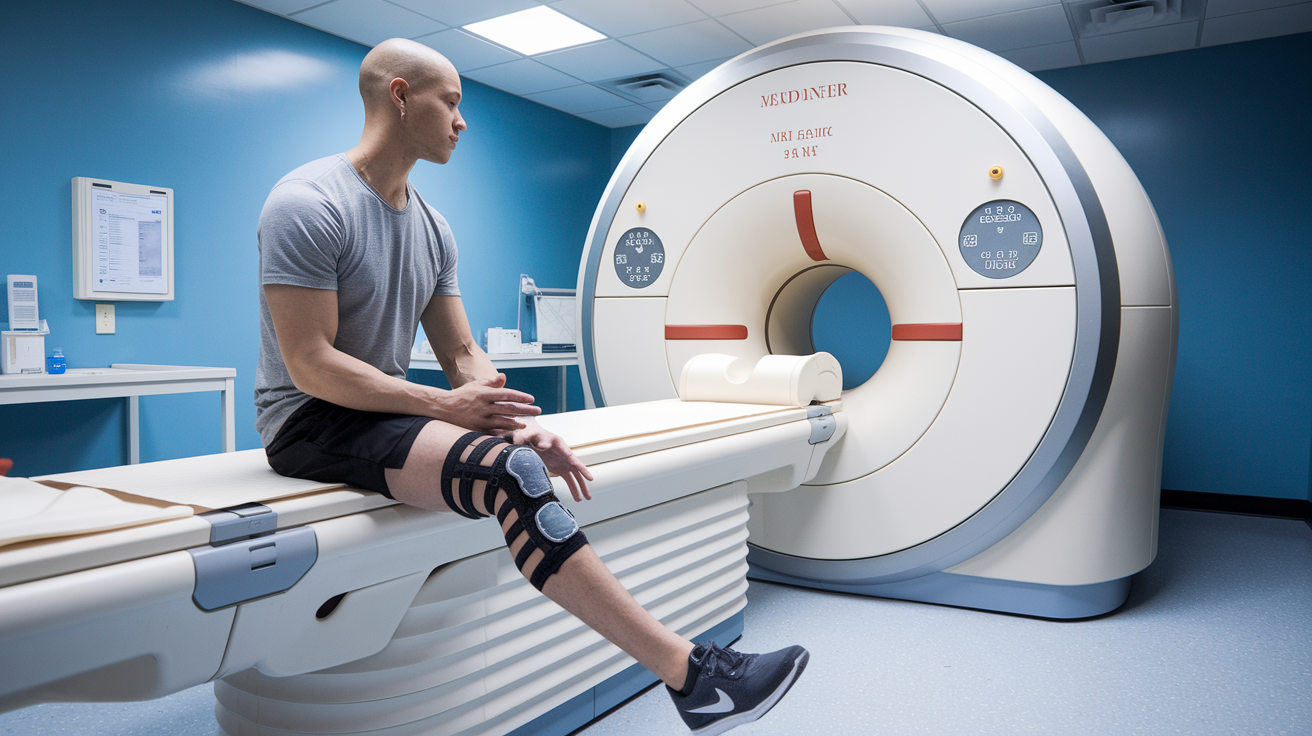

Would you spend a top pick on a player who’s already had two ACL surgeries? Teams are getting ruthless about that.
In 2026 the combine’s MRI carries more weight than a fast 40-yard dash.
This piece walks through the medical red flags most likely to push prospects down team boards: repeat ACLs, multi-ligament knee tears, major back problems, Achilles ruptures, and persistent soft-tissue strains.
It shows why those injuries change draft slots, career outlooks, and guaranteed money.
Key Medical Concerns Most Likely to Drop 2026 Draft Prospects
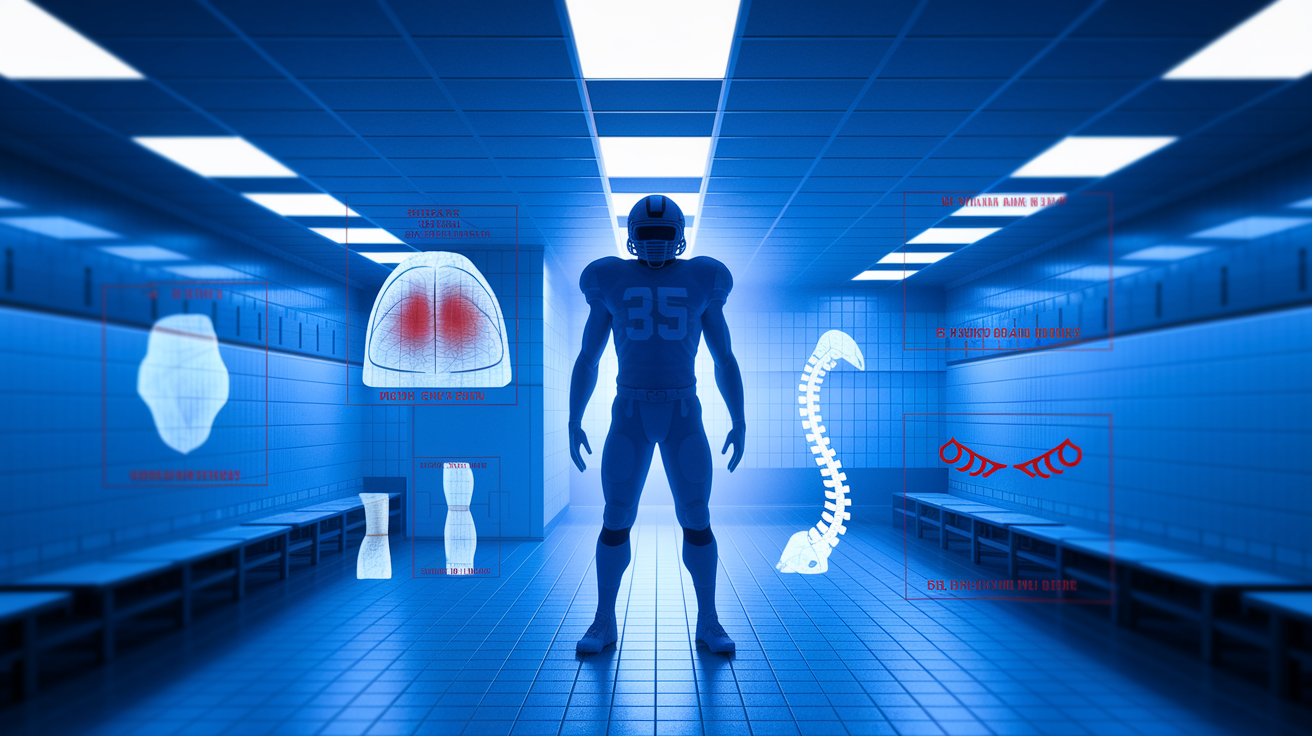
Shedeur Sanders has back problems on his medical file, and teams are watching to see if he can handle getting hit. Jalon Daniels missed 14 games over multiple years because of shoulder, back, and knee issues. Chris Bell tore his ACL in October, didn’t test at the combine, and now there’s questions about whether he’ll even be available his rookie season. Eli Raridon tore his ACL twice. Same knee. Within a year. Jordyn Tyson tore three ligaments back in 2022 (ACL, MCL, and PCL), and now he’s dealing with hamstring strains that keep coming back.
These guys are 50 million dollar investments in a billion dollar business. One knee surgery in college can knock you down two full rounds.
Multi ligament knee tears, repeat ACL surgeries, back injuries that need surgery, Achilles ruptures, chronic soft tissue strains. Those create the worst recurrence risk and the longest performance decline. A back injury that keeps a quarterback out for multiple games? That’s a red flag about whether his spine can handle NFL contact. Tearing your ACL twice on the same knee multiplies your chances of tearing it again and speeds up cartilage breakdown. Achilles tears in running backs threaten explosiveness even when rehab goes well. Hamstring strains that linger or keep popping up across multiple seasons mean there’s a structural problem or something off in how the guy moves, and pro workload is going to expose it.
Combine medical exams matter more than on field drills now. Teams run X rays, MRIs, flexibility tests to find problems with knees, backs, hips, the heart. Players who skip combine testing because of injury (Bell and Oscar Delp, for example) face more medical questions and wider projection ranges. Imaging that shows cartilage thinning, old surgical hardware, or incomplete healing can drop prospects a little, a lot, or completely off the board.
Five most common medical red flags expected to drop 2026 prospects:
- Multi ligament knee tears with arthritis risk down the road
- Repeat ACL surgeries on the same knee
- Back injuries that required surgery or caused missed time
- Achilles ruptures in skill position players
- Chronic hamstring or soft tissue strains with documented recurrence
Combined Injury Categories Most Likely to Affect 2026 Draft Stock
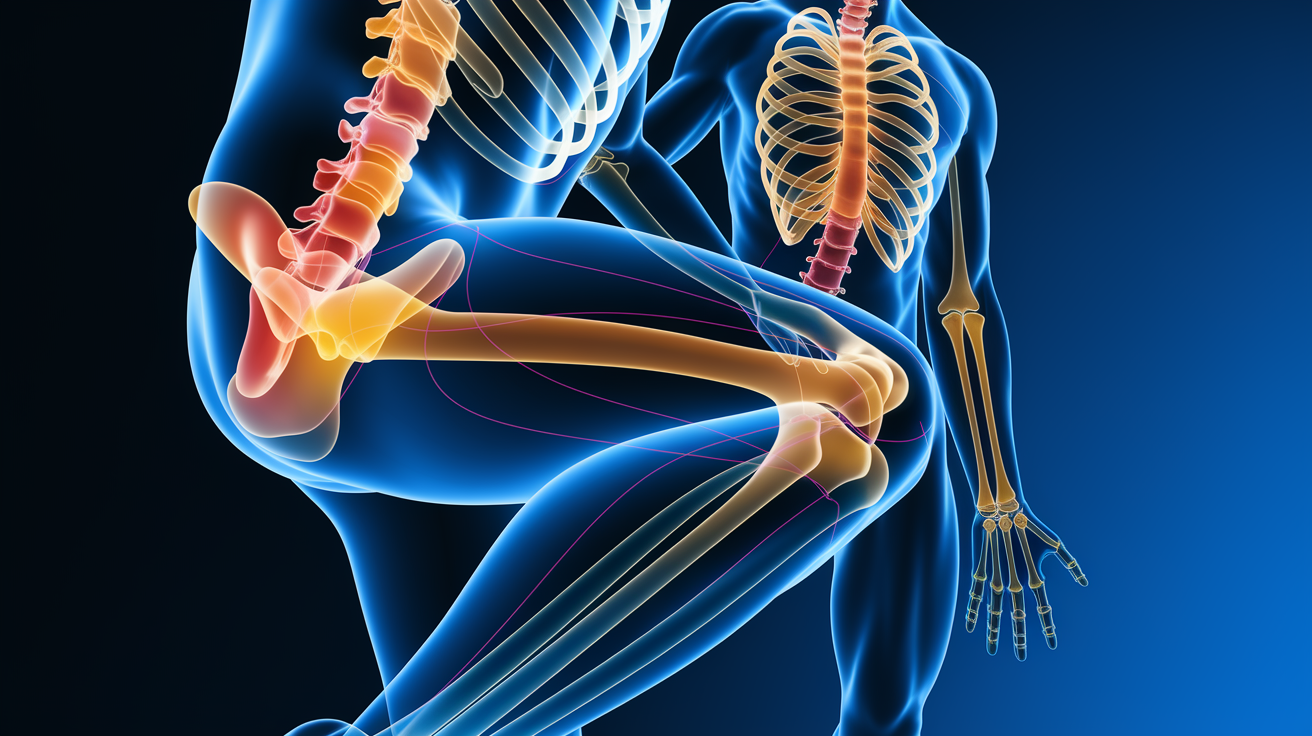
When you see injury patterns pile up across the lower body, that signals degeneration risk teams are projecting over a five to ten year window. A player with a prior knee surgery, then an ankle sprain, then recurring hamstring issues isn’t just unlucky. That’s compounding biomechanical stress. Cartilage breaks down faster when ligament damage changes how the joint moves, and once that degeneration starts, it doesn’t reverse. Early onset arthritis comparisons get thrown around. Todd Gurley’s post knee injury decline is the case study. Tyson’s 2022 ACL/MCL/PCL tear created long term structural problems even though he recovered functionally.
Spinal concerns carry the same weight. Garrett Nussmeier’s spinal cyst caused an abdominal problem that ended his 2025 season on November 8. Jalon Daniels missed ten total games starting from a 2023 training camp back injury, then had a minor knee procedure in February 2025 and a right shoulder issue in Week 13 of 2025. Each unrelated injury makes the next one more likely.
Isolated fractures heal with low long term problems if range of motion comes back. Nick Singleton’s fifth metatarsal Jones fracture and Oscar Delp’s hairline foot fracture are both considered reliable healing cases with minimal career risk. Carnell Tate’s lower body issue that cost three games and Denzel Boston’s one game absence fall into the low severity category. Compare that to degenerative risk injuries. Tyson’s three ligament knee tear missed an entire season, and the knee now has a higher chance of early arthritis that could shorten his prime. Bell’s October ACL tear will probably push his return to full speed into Year 2, and ACL reconstruction carries elevated re tear risk. Jadarian Price tore his Achilles at age 18 in summer 2022, missed the 2022 season, and despite full recovery retains lifetime elevated Achilles re injury risk that scouts factor into long term models.
Missed games, reinjury probability, projected decline. That’s the three part framework teams use to downgrade prospects. A player who missed four games for a shoulder injury, then ten for a back injury, then needed a knee procedure signals fragility. Achilles ruptures in running backs threaten explosiveness metrics that define NFL value. Price’s youth and modern rehab helped his return, but the injury still lowers ceiling confidence. Hamstring recurrence, as flagged in Tyson’s profile, is the most persistent soft tissue red flag because it means unresolved movement problems. Teams apply an “injury coefficient” to mock drafts that adjusts expected draft position downward based on these combined factors.
Specific 2026 Draft Prospects Facing Notable Medical Concerns
Shedeur Sanders has missed time before because of back issues, and teams are looking at his ability to absorb hits under NFL contact. Ty Simpson had a 2025 performance decline after a Week 9 back injury, then got a small rib fracture in the Rose Bowl that ended his game and limited the rest of his season. Garrett Nussmeier’s 2025 abdomen problem came from a spinal cyst that he tried to play through until an aggravation ended his season on November 8. Concern centers on oblique and torso rotation affecting throwing mechanics, though the cyst can be removed if it’s causing symptoms. Carson Beck had UCL repair in late 2024 but came back to full health for a strong 2025. UCL repairs have good long term outcomes with limited added performance risk. Jalon Daniels has the most complex profile: right throwing shoulder injury in 2022 cost four games, a back injury starting in 2023 training camp led to ten games missed total, a minor knee procedure in February 2025, plus a right shoulder issue in Week 13 of 2025. Two of those three injury categories raise future risk because of recurrence potential.
Jeremiyah Love is still the consensus RB1 with a relatively clean profile. A mild unspecified knee sprain near the end of 2024 with no offseason surgery and no lingering issues into 2025. Jadarian Price tore his Achilles in summer 2022 at age 18, missed the 2022 season, and fully recovered with no reported setbacks, but Achilles history adds elevated future risk. Nick Singleton got a fifth metatarsal Jones fracture during practice ahead of senior week. The injury is considered a mild long term hit compared to worse injuries like Lisfranc, but it still factors into medical modeling. Chris Bell tore his left ACL in October, missed combine and pro day testing, and recovery is expected to extend into his rookie season with a likely return to full speed by Year 2.
Jordyn Tyson’s 2022 knee injury tore ACL, MCL, and PCL, missing the 2023 season for recovery. He later got a 2024 clavicle fracture with minor long term effect, but the lingering hamstring strain is the standout recurring risk. The multi ligament knee tear is a major historical event that’s been functionally recovered from, yet it increases long term degenerative risk. Early onset arthritis likely later in career. Carnell Tate missed three games in 2025 with an undisclosed lower body injury and no surgery, likely creating minimal to moderate added risk. Denzel Boston missed one game with a lower body issue of low severity. Omar Cooper Jr. got a right ankle injury late in 2025 but played three weeks later in the Rose Bowl. Reports are ambiguous between ankle and knee, with the possibility of a high ankle sprain adding some risk. Eli Raridon had a second ACL tear within a year. Initial tear in high school, re tear soon after arrival at Notre Dame. Two ACL surgeries on the same knee are considered a significant elevated future risk despite subsequent productivity.
Kenyon Sadiq is the unanimous TE1 with a clean record aside from missing one game in 2025 for a mild lower body injury, presenting very low inherent risk. Oscar Delp played most of 2025 with a hairline foot fracture, skipped the NFL combine, but performed at his pro day in March 2026. Hairline fractures typically heal well and carry low long term risk.
How Medical Evaluations Shape Team Draft Boards in 2026

Combine medical exams are now elevated above on field drills in team valuation models. Teams run exhaustive medical tests including X rays, MRIs, and flexibility assessments to reveal issues with knees, backs, hips, or the heart. Maurice Hurst and Jeremiah Owusu Koramoah both had heart concerns during pre draft medical evaluations that changed their draft positions. Hidden findings from imaging (cartilage thinning, prior surgical hardware, incomplete ligament healing, structural asymmetries) can knock players off boards entirely or drop them multiple rounds. Medical exam results are treated as binary decision points. A single MRI showing cartilage deterioration in a knee that looked functional on tape can override elite film grades.
Psychological resilience after on field setbacks is tracked through interviews and background checks with college coaches and athletic trainers. Teams assess whether a prospect came back too quickly from injury, whether he showed pain tolerance that risked long term damage, or whether he was too cautious and delayed full recovery. Biomechanical movement analysis identifies non contact injury risk by measuring asymmetry in cutting mechanics, hip rotation, or landing patterns. Scheme adaptability during preseason contact is the true durability test. Prospects must prove they can absorb professional hitting volume without reinjury. A four year medical intervention history compiled from college athletic training records provides the data set teams use to model future injury probability.
Four Pillar Medical Screening Model
Biomechanical movement analysis uses motion capture technology and force plate testing to identify asymmetries or inefficiencies that increase non contact injury risk. Uneven hip mobility, favoring one leg during cuts, or compensatory gait patterns that overload specific joints. Psychological resilience checks involve structured interviews with team psychologists, background calls to college athletic staff, and behavioral assessments that measure how a player manages setback, follows rehab protocols, and handles pain or uncertainty during recovery. Scheme adaptability gets evaluated during private visits and preseason practices where teams simulate NFL contact volume and scheme complexity to test whether a player can execute under physical stress without reinjury or mental hesitation. Four year intervention history compiles every documented medical treatment (surgeries, injections, imaging studies, missed practices, training modifications) to establish injury frequency, recurrence patterns, and cumulative load on specific body systems.
Recovery Timelines and How They Alter Draft Evaluations
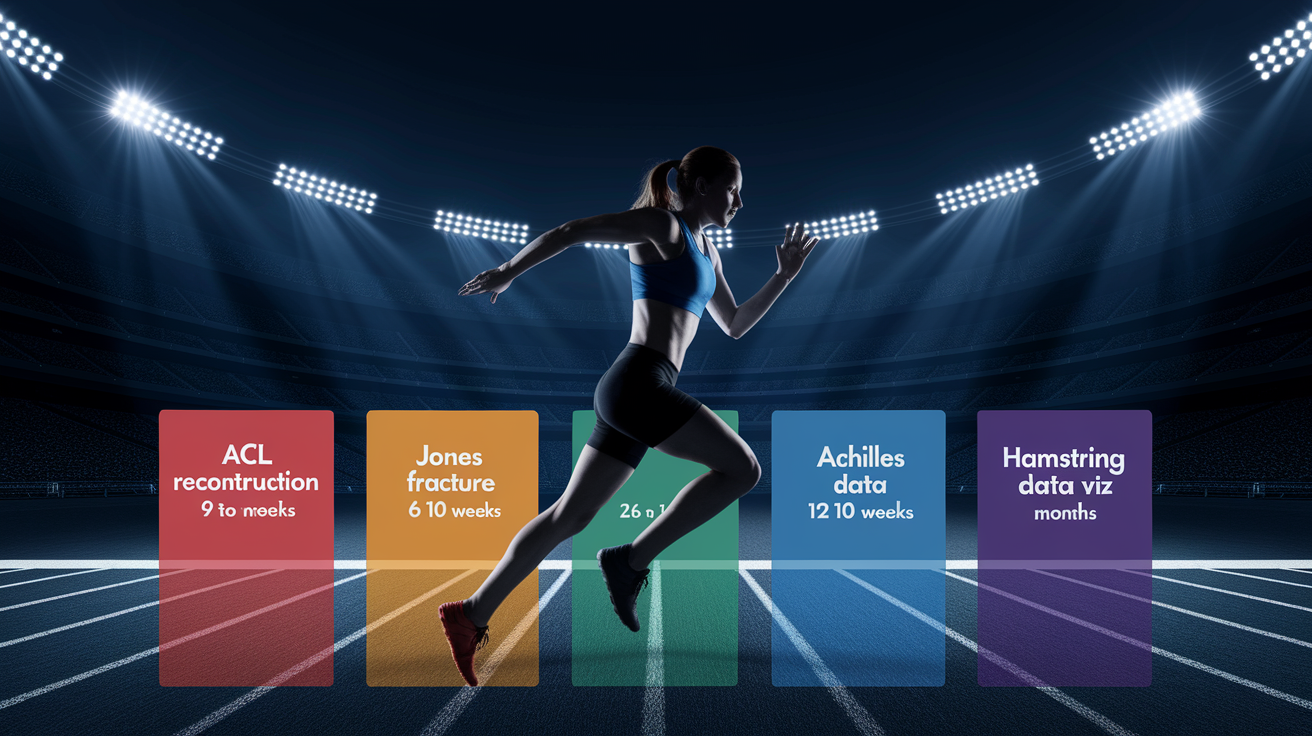
Modern medicine has shortened some previously career ending recovery windows to six months, but those timelines still shift rookie year production expectations and draft capital allocation. ACL reconstruction typically allows return to sport within nine to twelve months, meaning a player who tears his ACL in October (like Chris Bell) will miss combine testing, face restricted rookie minicamp participation, and likely reach full speed only in Year 2. That timeline pushes evaluators to discount Year 1 fantasy value and rookie contract contribution, dropping the player’s effective draft position. UCL repairs in quarterbacks, like Carson Beck’s late 2024 surgery, offer stable long term outcomes with minimal performance decline once healing completes, but the surgery still creates a gap year that delays development and raises questions about durability under NFL throwing volume.
Jones fractures in the fifth metatarsal heal reliably with low reinjury rates when properly managed, as seen in Nick Singleton’s case and historical comparisons to Derrick Henry’s 2021 fracture. Achilles ruptures present the longest and most uncertain recovery, especially in skill position players. Jadarian Price tore his Achilles at age 18 in summer 2022, benefited from youth and modern surgical techniques, and returned to full explosiveness, but the injury still carries elevated lifetime re tear risk that teams model into long term value projections. Hamstring strains that recur across multiple seasons (like Jordyn Tyson’s lingering issue) indicate biomechanical or strength imbalances that professional workload will continue to expose, creating persistent availability risk.
Recovery windows scouts commonly reference:
ACL reconstruction: 9 to 12 months to return, 18 to 24 months to full confidence and speed. Year 1 production often limited.
Achilles rupture: 12 to 18 months to return, with permanent elevated re tear risk and potential explosiveness decline in running backs and receivers.
UCL repair (elbow): 12 to 15 months for quarterbacks. Stable long term outcomes but creates development gap.
Jones fracture (fifth metatarsal): 6 to 10 weeks with surgical fixation. Reliable healing and low long term risk when managed correctly.
How Missed Testing, Combine Absences, and Pro Day Limitations Affect Draft Stock
Chris Bell missed both combine and pro day testing after his October ACL tear, and Oscar Delp skipped the combine but performed at his March 2026 pro day following a hairline foot fracture. Absence from athletic testing increases medical uncertainty and projection variance. Teams lose the ability to compare athletic benchmarks (40 times, vertical jump, shuttle drills) against positional norms, forcing reliance on film evaluation and subjective injury history interpretation. Missing combine testing signals delayed medical clearance, incomplete rehab, or undisclosed complications that weren’t resolved in time for February workouts.
Pro day attendance offers partial mitigation, but private settings lack the controlled environment and third party verification of combine testing. A prospect who participates in only position drills or skips explosion testing raises red flags about lingering pain, range of motion restrictions, or reinjury fear. Teams interpret missed testing as a risk amplification event. If the player can’t demonstrate full health in a low stakes workout, how will he respond to NFL contact and volume? That interpretation can drop a prospect one to two rounds or trigger requests for independent medical reviews before draft day.
Four ways missed testing impacts evaluations:
- Loss of objective athletic benchmarks that calibrate projection models and positional comparisons.
- Signal of delayed or incomplete recovery that raises questions about readiness for rookie minicamp and training camp.
- Increased reliance on medical imaging and team physician evaluations rather than functional performance data.
- Amplified variance in draft board placement across teams, creating wider ranges of expected draft position.
Historical Medical Cases NFL Teams Reference When Evaluating 2026 Prospects
Joe Theismann’s catastrophic 1985 leg fracture and Alex Smith’s 2018 compound leg fracture with life threatening complications are cited as precedents for why medical scrutiny now drives evaluations. Both injuries ended promising seasons instantly and required multi year recovery windows, with Smith’s case involving 17 surgeries and a near amputation. Teams use those examples to justify conservative risk modeling. Even low probability catastrophic outcomes carry such high financial and competitive cost that avoidance becomes the priority. Todd Gurley’s early onset arthritis after a college knee injury shortened his prime and is now used as a comparison case for prospects with multi ligament tears, like Jordyn Tyson, whose 2022 ACL/MCL/PCL injury creates similar degenerative risk.
Maurice Hurst and Jeremiah Owusu Koramoah both had heart concerns during pre draft medical evaluations that dropped their draft positions despite strong film grades. Hurst’s case involved an undiagnosed heart condition discovered at the 2018 combine that caused him to fall from projected first round status to the fifth round. Owusu Koramoah’s medical flags in 2021 led to questions about cardiovascular health that depressed his draft stock despite elite athleticism. Both cases reinforced the principle that hidden medical findings revealed during combine testing can override years of on field production. Derrick Henry’s 2021 Jones fracture is referenced as a benchmark for recovery from fifth metatarsal injuries. Henry returned to elite performance after surgical fixation, providing a positive comp for prospects like Nick Singleton facing the same injury.
Laremy Tunsil dropped a few picks in the 2016 draft due to late red flag issues, and La’el Collins went undrafted in 2015 after pre draft red flags unrelated to injury emerged. These cases demonstrate that non injury medical or behavioral concerns can create similar draft day drops. Teams now apply the same risk aversion framework to injury history, personality flags, and legal issues, treating all three as potential threats to the 50 million dollar investment a first round pick represents.
Talent vs. Medical Risk: How Teams Calculate 2026 Draft Drop Scenarios

Teams treat prospects as major financial assets in a billion dollar business, and injury coefficient models are now incorporated into mock drafts to adjust expected draft position downward based on medical history. A player projected as a first round talent with a clean medical record may drop to the third round if he carries a history of knee surgeries, back issues, or soft tissue recurrence. Teams quantify that risk by modeling reinjury probability, expected missed games over a four year rookie contract, and long term performance decline. The calculation balances upside (film grades, athletic testing, positional value) against the likelihood that injury will prevent the player from reaching that upside or shorten his productive window.
Teams with top ten picks face the highest scrutiny because early round investments carry guaranteed money and roster spot opportunity cost. Some organizations respond by trading down to acquire proven veterans and avoid medical risk entirely. Others accumulate additional draft assets to hedge the risk of selecting an injury prone quarterback or skill player, spreading financial exposure across multiple picks. Mock drafts and trade chatter in March 2026 reflect this dynamic. Teams are either moving up for the lowest risk option or collecting picks to absorb the variance of a high upside, high medical concern prospect. Sometimes the lowest risk player is preferred even if upside is lower, because conservative decision making protects front office job security and cap space flexibility.
Medical Risk Adjustment Factors
Reinjury probability is calculated using historical data on injury type, player age at first injury, surgical outcomes, and documented recurrence rates across similar cases. A player with one prior ACL tear carries roughly 15 to 20 percent elevated risk of future knee injury. A player with two ACL tears on the same knee, like Eli Raridon, carries significantly higher risk. Positional exposure measures how much contact and collision volume a player will face in his NFL role. Quarterbacks absorb fewer hits than running backs, tight ends face more in line blocking than slot receivers, and edge rushers endure repetitive joint stress that accelerates wear. Contract risk modeling projects the expected value of a rookie deal against the probability the player misses games or declines early, then discounts draft position accordingly. A running back with an Achilles tear may be valued two rounds lower than film suggests because the position’s short career window and injury history combine to reduce expected contract ROI.
Final Words
In the action: we named the biggest red flags — Sanders, Daniels, Raridon, Bell and Tyson — and explained why repeat ACLs, multi-ligament tears, back issues and Achilles problems scare teams. We also covered how combine medicals, missed testing and imaging push players down draft boards.
This affects recovery timelines, contract math and how teams value upside versus risk. But it’s not the end — many prospects rehab and return to form. Remember, medical concerns that could drop 2026 draft prospects can dent a rookie payday, not a whole career, so there’s still hope.
FAQ
Q: Which medical concerns are most likely to drop 2026 draft prospects?
A: The medical concerns most likely to drop 2026 draft prospects are multi‑ligament knee tears, repeat ACLs, Achilles ruptures, major back problems, and chronic soft‑tissue issues; teams may slide players two full rounds for serious knee surgery.
Q: Which specific prospects face notable medical red flags?
A: The prospects facing the biggest 2026 medical red flags include Shedeur Sanders (back history), Daniels (shoulder/back/knee), Raridon (repeat ACL), Bell (recent ACL and missed testing), and Tyson (multi‑ligament knee plus hamstring/clavicle issues).
Q: Which injuries carry the highest recurrence and long-term decline risk?
A: The injuries with highest recurrence and long-term decline risk are multi‑ligament knee tears, repeat ACLs, Achilles ruptures, recurrent hamstring problems, and significant spinal/back injuries that can reduce explosiveness and career length.
Q: How do combine medicals, missed testing, and imaging shape draft boards?
A: Combine medicals, missed testing, and imaging shape draft boards by exposing hidden problems, increasing uncertainty when players skip tests, and often prompting teams to downgrade or demand clearer recovery timelines.
Q: How do teams evaluate medicals during pre-draft exams?
A: Teams evaluate medicals during pre-draft exams using X‑rays, MRIs, CT when needed, team physician checks, rehab progress, and biomechanics to balance imaging findings against projected availability and surgical history.
Q: What is the Four-Pillar Medical Screening Model?
A: The Four‑Pillar Medical Screening Model describes biomechanics, psychological resilience checks, scheme adaptability, and a four‑year intervention history as the main areas teams use to judge a prospect’s durability.
Q: How do recovery timelines alter draft evaluations?
A: Recovery timelines alter draft evaluations by shifting value—short, predictable recoveries keep stock steadier, while long or unclear rehab windows often lead teams to lower grades or wait for proven availability.
Q: What common recovery windows do scouts use for major surgeries?
A: Scouts typically use these recovery windows: ACL about 9–12 months, Achilles roughly 9–12+ months, UCL (elbow) around 12–18 months, and common fractures about 6–8 months, with individual variation.
Q: How does missing the combine or pro day affect a prospect’s stock?
A: Missing the combine or pro day affects a prospect’s stock by signaling delayed medical clearance, increasing projection variance, and often causing teams to move the player down or require extra guarantees.
Q: What historical medical cases do teams reference when evaluating 2026 prospects?
A: Teams reference historical cases like Joe Theismann, Alex Smith, Todd Gurley, plus past draft medical drops (Hurst, Owusu‑Koramoah) to model worst‑case outcomes and long‑term degeneration risks.
Q: How do teams weigh talent versus medical risk when setting draft strategy?
A: Teams weigh talent versus medical risk by modeling reinjury probability, positional exposure, contract risk and upside—often trading down, adding veterans, or using conditional deals to protect the franchise investment.
Q: What factors adjust medical risk on draft boards?
A: Medical risk adjustments on draft boards come from reinjury probability, position wear, age, surgical history, total games missed, and how much guaranteed money a team is willing to risk.