


Think the 2026 linebacker class is all Ohio State? Not quite.
Arvell Reese and Sonny Styles lead the group, but the class runs deep through day two and three.
This piece breaks down the top college linebackers, lays out a clear tiered ranking, and explains the measurables and production scouts value.
If you want to know who can start right away, who needs development, and which names to track before draft weekend, April 23–25, 2026, it’s your quick guide.
Early 2026 Linebacker Prospect Overview and Top Rankings
The 2026 NFL Draft linebacker class sits firmly behind two elite Ohio State prospects while offering solid depth across day two and three. Arvell Reese and Sonny Styles headline a position group that blends rare athletic traits with proven college production. Behind them sits a cluster of starters and specialists spread across multiple tiers. Draft weekend runs April 23–25, 2026, and consensus rankings already separate the class into clear layers.
Reese appears on most boards as a top five player overall. An elite athlete with exceptional strength and upside as a versatile defensive weapon, though his coverage skills are still developing. Styles follows closely, an attacking downhill linebacker with excellent anticipation and strong movement skills but similarly unfinished in coverage. After those two, Georgia’s CJ Allen projects as a physical, reliable middle linebacker with strong run defense fundamentals and limited length but enough flashes in coverage to start in the league. Behind that first tier, prospects like Texas Tech’s Jacob Rodriguez (elite football IQ but limited range and power), Cincinnati’s Jake Golday (intriguing length and athleticism with developmental instincts), and Missouri’s Josiah Trotter (physical downhill fit in a 3-4) round out the day two conversation.
Early first round projections center on Reese and Styles, with Allen sliding in as a late first or early second possibility depending on team needs. Evaluators lean heavily on college production, athletic testing thresholds, injury status, and scheme fit when building these rankings. The positional draft capital typically sends three to six linebackers into round one in a strong year.
Top 10 linebacker prospects for the 2026 NFL Draft:
- Arvell Reese, Ohio State – projected first round, elite athlete with rare strength and versatility
- Sonny Styles, Ohio State – projected first round, attacking downhill playmaker with excellent anticipation
- CJ Allen, Georgia – projected late first or early second round, physical MIKE with reliable run defense
- Jacob Rodriguez, Texas Tech – projected second or third round, high football IQ but limited athletic ceiling
- Jake Golday, Cincinnati – projected second or third round, long and athletic with developmental upside
- Josiah Trotter, Missouri – projected third round, physical downhill fit for 3-4 schemes
- Kyle Louis, Pittsburgh – projected third round, undersized but explosive nickel/sub package defender
- Anthony Hill Jr., Texas – projected third round, athletic WILL best suited for 4-3 space roles
- Keyshaun Elliott, Arizona State – projected mid to late rounds, developmental or scheme specific projection
- Deontae Lawson, Alabama – projected fourth or fifth round, undersized but experienced rotational linebacker
Detailed Profiles of Leading 2026 NFL Draft Linebackers

Each top linebacker profile combines measurable data, multi year college statistics, scouting grades, strengths and weaknesses, injury history, and scheme fit projections to give a complete picture of draft value. The ideal linebacker body for NFL evaluators sits between 6’1″ and 6’4″ and between 225 and 255 pounds. Testing targets include a 40 yard dash under 4.6 seconds, a three cone drill under 7.2 seconds, and a vertical jump above 32 inches. Production metrics include total tackles, solo tackles, tackles for loss, sacks, interceptions, passes defended, and forced fumbles across both the 2024 and 2025 college seasons.
Scouting reports break down on field traits like block deconstruction, pursuit angles, blitz timing, zone coverage instincts, and cleanup reliability, then assign a numeric grade and list clear strengths and weaknesses. Each profile also includes an NFL player comparison to help contextualize projection and role fit, along with injury history showing the type, date, surgery status, and expected return timeline. Medical flags like season ending ACL tears or recurring shoulder issues weigh heavily in final draft capital.
The 2026 class shows a clear pattern. Elite athletes with downhill playmaking ability but developmental needs in coverage experience, anticipation, and in some cases physical length or power. Several prospects project as immediate three down starters while others fit best as sub package specialists, rotational pieces, or special teams contributors until they refine technique and instincts. Fantasy and IDP projections depend on expected snap share, tackle ceiling, and pass rush upside in year one.
Profiles will be updated weekly during the college season and daily during the February to April pre draft process to capture combine and Pro Day numbers, medical updates, and shifts in mock draft consensus.
What Measurables Matter for Top LB Prospects
Height and weight establish baseline durability and role fit. Arm length and wingspan influence ability to shed blocks and disrupt passing lanes. A 40 yard dash time separates space linebackers from box only thumpers, and the three cone drill and short shuttle measure lateral quickness and change of direction speed critical for coverage assignments. Vertical jump and broad jump reveal explosiveness and closing burst. Bench press reps indicate core strength and stamina through contact.
What Production Metrics Tell Evaluators Most
Total tackles show volume and involvement. Solo tackle rate reveals cleanup ability and assignment discipline. Tackles for loss and sacks demonstrate penetration and disruption behind the line, while interceptions and passes defended signal coverage awareness and ball skills. Forced fumbles highlight physicality and finishing through contact. Missed tackle rate (when available) exposes technical flaws that testing alone can’t reveal.
Common Strengths/Weakness Patterns in the 2026 Class
Top prospects share elite athleticism and strong run defense fundamentals but often need refinement in coverage technique, play recognition, and consistent gap discipline. Length and power limitations appear in mid round prospects, while undersized linebackers offset size with exceptional instincts or explosiveness. Developmental players show intriguing measurables or production spikes but require scheme specific fits or additional coaching to become reliable starters.
| Player | School | Strength Snapshot | Weakness Snapshot | Projected Round |
|---|---|---|---|---|
| Arvell Reese | Ohio State | Elite athlete, exceptional strength, versatile weapon | Coverage still developing, needs consistent technique | 1st |
| Sonny Styles | Ohio State | Attacking downhill, excellent anticipation, strong movement | Coverage experience limited, play recognition inconsistent | 1st |
| CJ Allen | Georgia | Physical MIKE, reliable run defense, flashes in coverage | Limited length, lacks elite range | 1st–2nd |
| Jacob Rodriguez | Texas Tech | Elite football IQ, strong instincts, high floor | Limited range and power, ceiling concerns | 2nd–3rd |
| Jake Golday | Cincinnati | Intriguing length, athleticism, starter potential | Instincts need work, anticipation inconsistent | 2nd–3rd |
| Kyle Louis | Pittsburgh | Explosive, effective in space, versatile sub package fit | Undersized, struggles vs blockers | 3rd |
Full 2026 Linebacker Rankings and Tier System

The complete linebacker board for 2026 breaks down into four clear tiers based on projected draft capital, immediate impact potential, and scheme versatility. Tier one represents elite prospects expected to go in the first round or early second round. Players with rare athletic traits and three down starter projection. Tier two includes solid day two starters who might need a year to develop or fit specific schemes but offer clear NFL value. Tier three covers mid to late day two picks who project as rotational contributors or specialists with upside. Tier four comprises day three prospects who fill depth charts and contribute on special teams while competing for situational snaps.
Predictive rankings blend college production over multiple seasons, combine and Pro Day measurables, market sentiment from major draft outlets, and positional scarcity to forecast how teams will value each prospect on draft night. Reese sits at number two overall on aggregated big boards, Styles at number four, Allen at 18, Rodriguez at 45. The tier structure extends through 32 listed inside linebacker prospects with additional hybrid edge/linebacker players tracked separately.
Sample tier groupings for 2026 linebacker prospects:
- Tier 1 (Elite / First Round Projection): Arvell Reese, Sonny Styles, CJ Allen (late first possibility)
- Tier 2 (Day Two Starters / Rounds 2–3): Jacob Rodriguez, Jake Golday, Josiah Trotter, Kyle Louis, Anthony Hill Jr.
- Tier 3 (Day Two Depth / Rounds 3–4): Keyshaun Elliott, Deontae Lawson, Lander Barton, Justin Jefferson
- Tier 4 (Day Three Depth / Rounds 4–7): Bryce Boettcher, Taurean York, Jimmy Rolder, Aiden Fisher, Red Murdock
- Tier 4 continued (Special Teams / Rounds 5–7): Owen Heinecke, Karson Sharar, Jack Dingle, Scooby Williams
- Tier 4 continued (Depth / Rounds 5–7): Quinn Urwiler, Mohamed Toure, Desmond Purnell, Jaden Keller
- Tier 4 continued (Late Day Three / Round 7 or UDFA): Chase Wilson, Cole Kozlowski, Declan Williams, Mason Woods
Historical draft data shows three to six linebackers selected in round one during linebacker rich years. Six to ten in rounds two and three combined. The remaining 10 to 20 prospects spread across day three depending on class depth. The 2026 cycle projects as moderately strong at the top with two clear first round talents, solid depth in rounds two through four, and a long tail of developmental and special teams contributors filling out the back half of the board.
Breakdown of 2026 Inside vs Outside Linebacker Roles
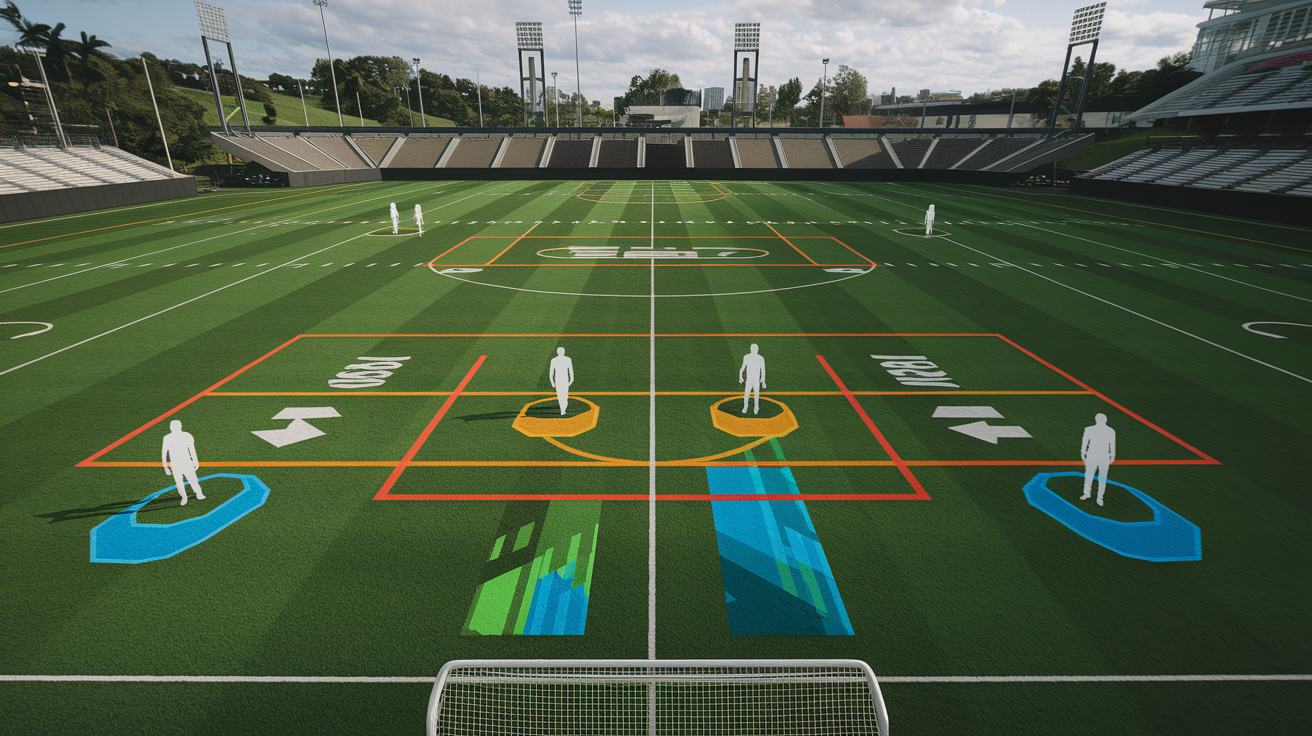
Inside linebackers typically operate as gap filling middle linebackers who take on blocks, diagnose runs, and handle short area coverage assignments. Outside linebackers in most modern schemes play smaller, faster roles emphasizing coverage and run and chase duties. In a traditional 4-3 defense, the MIKE lines up in the middle and directs the front seven. The SAM aligns to the strong side (where the tight end lines up) and plays more physical. The WILL sits on the weak side (away from the tight end) to pursue and cover. In a 3-4 scheme, off ball linebackers handle gap fills and coverage while edge rushers occupy the outside linebacker spots as pass rushing hybrids.
The box area, defined as roughly five to eight yards behind the line of scrimmage between the offensive tackles, is where traditional inside linebackers earn their pay. Stopping runs and blitzing through gaps. Hybrid linebacker/edge prospects blur the line between pass rusher and coverage player, expected to drop into zone, blitz the quarterback, and occasionally play off ball depending on down and distance. Strong side roles key to tight end alignment and require more physical block shedding ability. Weak side roles emphasize pursuit speed, lateral range, and coverage instincts.
Many of the top 2026 prospects project as MIKE or WILL linebackers in 4-3 schemes. A few like Trotter fit best as traditional 3-4 inside linebackers. Others like Hill Jr. profile as space WILLs who avoid heavy block engagement. Understanding role distinctions matters because scheme fit directly impacts draft capital. Some teams prioritize thumpers who handle two gap assignments while others value sideline to sideline athletes who can match up with running backs and tight ends in coverage.
Athletic Testing Benchmarks for 2026 LB Prospects

Combine and Pro Day testing between February and March 2026 will clarify which prospects possess the athletic traits that translate to three down NFL roles and which fit better as situational contributors. A 40 yard dash time between 4.45 and 4.80 seconds shows the speed to cover ground and match running backs in space. Anything under 4.6 seconds flagged as plus and sub 4.5 times considered elite for the position. The three cone drill measures change of direction ability and hip fluidity critical for zone drops and man coverage, with times under 7.2 seconds considered strong and anything below 6.9 seconds marking elite lateral quickness.
Vertical jump above 32 inches demonstrates explosiveness and closing burst. Broad jump results reveal lower body power and ability to cover distance quickly when filling gaps or closing on ball carriers. Bench press reps at 225 pounds indicate upper body strength and stamina through contact. Eighteen or more reps considered impressive for off ball linebackers who must shed blocks and finish tackles consistently. Shuttle drills and positional work during on field sessions also provide insight into footwork, mirror ability, and instincts that raw numbers alone can’t capture.
| Drill | Ideal Range | What It Measures | Draft Impact |
|---|---|---|---|
| 40 Yard Dash | 4.45–4.60 seconds | Straight line speed and closing ability | Separates space LBs from box only players; sub 4.6 boosts stock significantly |
| 3 Cone Drill | <7.2 seconds (elite <6.9) | Change of direction, hip fluidity, lateral quickness | Critical for coverage projection; poor times limit three down upside |
| Vertical Jump | 32+ inches | Explosiveness, closing burst, leaping ability | Signals high end athleticism; helps in contested catches and disruption |
| Broad Jump | 120+ inches (10 feet) | Lower body power, ability to cover ground | Strong indicator of gap filling speed and overall explosiveness |
| Bench Press | 18+ reps at 225 lbs | Upper body strength, stamina through contact | Important for block shedding and finishing tackles; less critical than speed work |
Production Metrics and Tape Evaluation for 2026 Linebackers

Film evaluation separates prospects who accumulate stats from those who play the position at a high level. Evaluators focus on block deconstruction technique, pursuit angles, blitz timing, zone coverage instincts, man coverage ability, and cleanup reliability when breaking down tape. Key statistics include total tackles, solo tackles, tackles for loss, sacks, interceptions, passes defended, and forced fumbles across the 2024 and 2025 college seasons. Career totals provide context for consistency and durability. High tackle for loss rates and quarterback pressures signal impact playmakers who disrupt offenses behind the line. Interception and pass breakup totals reveal ball skills and coverage awareness.
Solo tackle percentage shows whether a linebacker finishes plays independently or relies on teammates to clean up. Missed tackle rate (when tracked) exposes technical flaws that testing alone can’t reveal. Ideal linebackers combine high involvement (total tackles), high efficiency (solo tackle rate, low missed tackles), and high disruption (tackles for loss, sacks, forced fumbles) across multiple seasons against quality competition. Production against Power Five opponents and in playoff or bowl games adds weight to projections. Inflated numbers against weaker competition require deeper film study to validate.
Tape also reveals traits that statistics can’t capture. Disciplined gap fits, ability to diagnose and react quickly, physicality through contact, and the instincts to anticipate plays before they develop. Evaluators watch for linebackers who consistently align correctly, trigger downhill with confidence, shed blocks with proper hand placement and leverage, and finish tackles with sound fundamentals rather than arm tackles or missed opportunities.
Run Defense Fundamentals
Elite run defenders read offensive line movements and backfield flow instantly. Triggering downhill to fill assigned gaps before blockers can establish position. Proper block deconstruction involves using hands to control the blocker’s chest plate, maintaining leverage with a low pad level, and shedding to the ball carrier with violent separation moves. Pursuit angles separate average linebackers from sideline to sideline playmakers. The best take efficient paths that cut off running lanes rather than chasing from behind. They finish with wrap tackles that secure ball carriers rather than glancing blows that allow extra yards.
Coverage Evaluation Traits
Zone coverage requires vision to read the quarterback’s eyes, depth discipline to maintain proper spacing, and awareness to pass off crossing routes and sink to high percentage throwing windows. Man coverage demands mirror ability to stay in phase with running backs and tight ends through their routes, hip fluidity to flip and run vertically, and competitive toughness to contest catches at the catch point. The best coverage linebackers combine patience in their drops with quick trigger to break on throws. They show consistent ball skills, getting hands up in throwing lanes, tracking the ball in the air, and making plays on catchable passes.
Pass Rush/Blitz Assessment
Blitzing linebackers need to time their movements to arrive as the ball is snapped. Use speed and angles to avoid blockers. Convert pressure into disruption by affecting the quarterback’s timing or driving him off his spot. Effective blitzers disguise their intentions pre snap, threaten multiple gaps to freeze blockers, and finish with proper tackling technique even when arriving at full speed. Pass rush moves like swim, rip, and bull rush separate impact blitzers from those easily absorbed by offensive linemen. The ability to convert pressures into sacks or forced fumbles dramatically raises draft value.
Sleeper and Small School 2026 Linebacker Prospects
Mid to late round linebacker sleepers typically fall into a few archetypes. High testing athletes from small schools who lacked elite competition. High production players whose size or speed limits projection. Late blooming prospects who flashed only in their final season. Scheme specific fits who excel in one role but lack versatility. Injury rebound candidates returning from missed time. Special teams aces who offer core value even if they never start. Historical draft classes include 10 to 20 day three linebackers, with one or two emerging from smaller conferences to outperform their draft position based on athletic upside or production spikes that evaluators missed.
The 2026 inside linebacker list includes names from Northern Illinois, Incarnate Word, and Kent State alongside Power Five standouts. Suggesting depth beyond the top tier and opportunity for teams willing to dig into smaller school tape and regional scouting reports. Sleeper profiles emphasize traits that translate regardless of competition level. Elite testing numbers, high tackle for loss rates, ball production (interceptions and forced fumbles), and clear technical improvements from junior to senior seasons.
Common sleeper linebacker archetypes to watch:
- Athletic freaks from FCS or Group of Five schools who post elite combine numbers but faced weaker competition
- Undersized high motor players with exceptional instincts and tackle efficiency who need scheme specific fits
- Late season breakout performers who earned All Conference honors only in their final year
- Injury rebound candidates with strong film from earlier seasons now returning to full health
- Special teams standouts who excel on kickoff and punt coverage units and offer immediate core value
- Scheme specific fits who dominate in one system (3-4 ILB, 4-3 WILL) but lack versatility for multiple fronts
Mock Draft Trends and Landing Spot Projections for 2026 Linebackers
Consensus mock drafts aggregate projections from three to six prominent draft analysts to derive expected draft ranges and team fits for each prospect. Early 2026 mocks show Reese and Styles as first round possibilities with Allen sliding into the late first or early second round depending on team needs. Rodriguez, Golday, and Trotter appear consistently in mid round projections (rounds two through four). Lawson and Elliott fall into late day two or early day three territory based on size, scheme fit, or developmental timelines. Mock trends shift throughout the pre draft process as combine results, Pro Days, private workouts, and medical reports reshape evaluations.
Team fits depend on scheme, immediate need, and roster construction. Linebacker needy franchises prioritize different traits based on their defensive philosophy. Some teams run 3-4 fronts that demand physical inside linebackers who can take on blocks and fill gaps. Others use 4-3 schemes that value speed and coverage ability in their Will and Mike linebackers. Hybrid defenses that mix personnel and use sub packages on most snaps prioritize versatility, looking for linebackers who can blitz, cover, and play the run across multiple alignments.
Landing spots also depend on draft capital and positional value. Teams picking in the top 10 rarely invest in off ball linebackers unless the prospect is truly elite. Teams in the middle and late first round might grab a three down starter if value aligns. Day two picks typically target immediate starters or high upside developmental prospects. Day three selections focus on depth, special teams, and scheme specific role players who can contribute immediately in limited snaps.
Typical team archetypes with 2026 linebacker needs:
- Teams lacking a true MIKE leader who can direct the defense and handle play calling duties
- 3-4 defenses needing physical gap fillers who can take on offensive linemen and stop the run
- 4-3 schemes looking for sideline to sideline athletes who excel in pursuit and coverage
- Hybrid defenses prioritizing versatile linebackers who can rush, cover, and play multiple positions
- Teams with aging veteran linebackers who need immediate succession plans or competition
- Special teams focused franchises seeking core contributors who can cover kicks and punts at a high level
- Win now contenders looking for day two starters who can contribute immediately in year one
- Rebuilding teams willing to draft developmental prospects with long term upside and patience
Methodology Behind 2026 Linebacker Rankings

Draft rankings blend multiple weighted categories to produce a composite grade that forecasts how teams will value each prospect on draft night. Typically using a 0 to 100 numeric scale or a five tier grading system. Production metrics account for college statistics over multiple seasons, including tackles, tackles for loss, sacks, interceptions, and forced fumbles. With adjustments for level of competition and strength of schedule. Athletic testing includes combine and Pro Day results across the 40 yard dash, three cone drill, shuttle, vertical jump, broad jump, and bench press. Positional benchmarks separate elite traits from average or below average measurables.
Positional value considers how teams historically allocate draft capital to off ball linebackers versus edge rushers, cornerbacks, and offensive skill positions. Scheme fit evaluates whether a prospect projects as a three down starter in multiple systems or a niche role player limited to specific fronts. Injury history tracks missed games, surgeries, and recovery timelines. Season ending injuries or recurring issues lower grades significantly. Film evaluation captures intangibles like instincts, play recognition, technique, and competitive toughness that statistics and testing can’t fully measure.
Common scouting pitfalls include overvaluing size and undervaluing instincts. Mistaking high tackle totals for actual impact when a linebacker is cleaning up plays rather than creating disruption. Projecting athletic testing without confirming that speed and agility translate to on field performance. Historical first round linebacker comparisons help contextualize projections, showing which traits and production profiles have led to NFL success and which red flags have derailed careers despite strong measurables or college résumés.
Final Words
Reese, Styles and Allen are driving early conversation — we ranked the top 10, broke down measurables, and flagged scout notes on coverage, run defense and testing. We also set up tiered boards and early first‑round projections.
The guide explains MIKE vs WILL roles, what film and combine numbers matter, and the sleeper archetypes to watch. Mock trends link names to likely team fits.
This gives a clear early map of the 2026 nfl draft linebackers class and what to watch through the combine and spring games. Stick with it — the class should only get more interesting.
FAQ
Q: Who are the top linebacker prospects in the 2026 NFL Draft?
A: The top linebacker prospects in the 2026 NFL Draft include Arvell Reese from Ohio State, Sonny Styles from Ohio State, and CJ Allen from Georgia as first-round candidates. Other highly ranked prospects include Jacob Rodriguez (Texas Tech), Jake Golday (Cincinnati), Josiah Trotter (Missouri), Kyle Louis (Pitt), Anthony Hill Jr. (Texas), Keyshaun Elliott (Arizona State), and Deontae Lawson (Alabama).
Q: When is the 2026 NFL Draft scheduled to take place?
A: The 2026 NFL Draft is scheduled to take place April 23–25, 2026, with linebacker prospects competing for selection across three rounds during that three-day event.
Q: What measurables do scouts look for in linebacker prospects?
A: Scouts look for linebackers standing 6’1″ to 6’4″ and weighing 225–255 pounds, with 40-yard dash times between 4.45 and 4.80 seconds, 3-cone drills under 7.2 seconds, vertical jumps above 32 inches, and at least 18 bench press reps.
Q: How do inside linebackers differ from outside linebackers in the 2026 class?
A: Inside linebackers in the 2026 class focus on gap-filling and run defense in the box area 5–8 yards behind the line, while outside linebackers emphasize coverage, run-and-chase ability, and sometimes hybrid pass-rush duties depending on scheme fit.
Q: What production metrics matter most for linebacker draft evaluations?
A: The production metrics that matter most for linebacker draft evaluations include total tackles, solo tackles, tackles for loss, sacks, interceptions, pass breakups, forced fumbles, and high TFL rates that indicate impact playmaking ability.
Q: Which linebacker prospects are projected as first-round picks in 2026?
A: Linebacker prospects projected as first-round picks in 2026 include Arvell Reese and Sonny Styles, both from Ohio State, along with CJ Allen from Georgia, based on consensus rankings combining athletic testing, college production, and scheme versatility.
Q: What are the key strengths of top 2026 linebacker prospect Arvell Reese?
A: Arvell Reese’s key strengths include elite athleticism and explosive movement skills, though scouts note he is still developing his coverage abilities and will need refinement in zone drops and man-to-man assignments at the next level.
Q: How do athletic testing results impact linebacker draft stock?
A: Athletic testing results significantly impact linebacker draft stock, especially for space linebackers, with strong 40-yard dash times, 3-cone drills, and vertical jumps directly influencing draft capital and team interest during combine and Pro Day evaluations in February and March 2026.
Q: What weaknesses do evaluators commonly find in 2026 linebacker prospects?
A: Evaluators commonly find weaknesses including limited coverage range, undersized frames for physical run defense, developmental instincts in zone responsibilities, restricted lateral agility, and inconsistent tackling technique among 2026 linebacker prospects depending on individual skill sets.
Q: Are there sleeper linebacker prospects in the 2026 draft class?
A: Sleeper linebacker prospects exist in the 2026 draft class, typically emerging from small conferences and mid-major programs with 10–20 Day 3 linebackers expected to be selected, featuring athletic upside or late-career production spikes that warrant attention.
Q: What NFL teams are expected to target linebackers in 2026?
A: NFL teams expected to target linebackers in 2026 include those lacking MIKE leadership, needing hybrid edge-linebacker versatility, requiring coverage specialists for passing downs, or seeking physical run defenders to anchor their defensive fronts and second-level play.
Q: How do rankings determine linebacker tiers in the 2026 class?
A: Rankings determine linebacker tiers in the 2026 class by separating prospects into Tier 1 elite first-rounders, Tier 2 Day 1-2 starters, Tier 3 Day 2 rotational contributors, and Tier 4 Day 3 developmental projects based on production and measurables.