

Which closers are actually moving before the deadline — and which names are just noise?
A handful of late-inning arms — Kyle Finnegan, David Bednar, Ryan Helsley, Aroldis Chapman and others — are popping up in trade chatter and free-agency whispers as teams juggle contracts, injuries, and playoff hopes.
This post sorts high-probability moves from mid-tier rumors, explains why each reliever might be on the block, and lays out the key signs to watch before July 31.
Current Rumored Closer Movement: The Latest High‑Probability and Newly Updated Reports
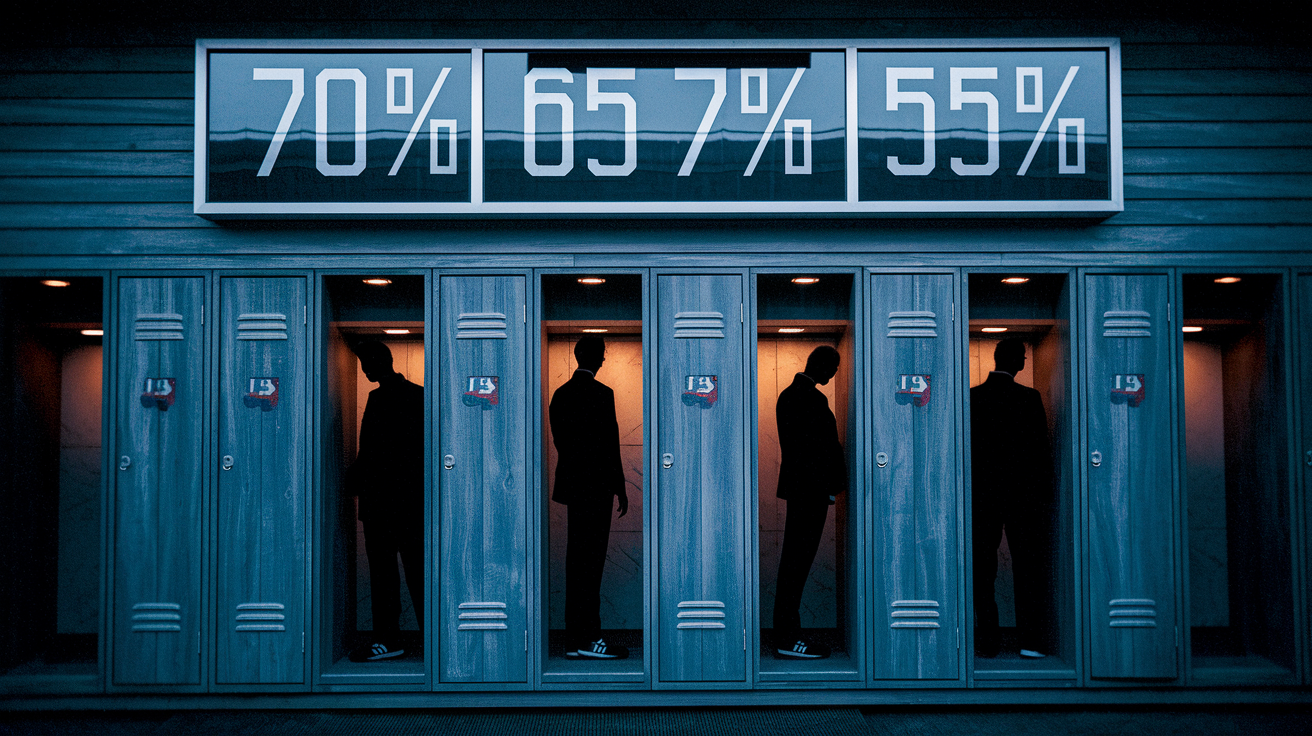
Kyle Finnegan’s sitting at 70% odds after the Nationals fired both their GM and manager. That kind of organizational reset puts his 1 year, $6 million deal squarely in play. David Bednar’s close behind at 65%, with the Pirates holding a 1 year, $5.9 million contract and one arbitration year left, making him a controlled asset that could actually bring back real prospect value. Ryan Helsley rounds out the top tier at 55% after the Cardinals stumbled to 15 and 18 since June 1st, falling to 1.5 games from the Wild Card and forcing St. Louis to decide whether to hold or flip the $8.2 million closer.
Aroldis Chapman’s name surfaced late after the Red Sox positioned Jordan Hicks as a fallback closer option, even though Boston sits just 1 game back of the Wild Card. Chapman’s 37, earning $10.75 million, and having a career year. That makes him a coveted rental if Boston decides to sell. Shelby Miller’s status took a sharp turn when he landed on the IL with a forearm injury, casting doubt over what was previously a clean 1 year, $1 million deal and dropping Arizona 5.5 games out of the Wild Card with four teams to leapfold.
The most significant recent shifts include:
Chapman’s rising availability despite Boston’s playoff proximity, driven by internal succession planning
Miller’s injury cloud turning a probable trade into a medical question mark
Finnegan’s odds holding steady even though no interest materialized at last year’s deadline or in the offseason
Helsley’s stalled extension talks all but confirming he’ll test free agency after 2025, raising trade pressure now
High-Probability Closer Trade Rumors: Profiles and Why They’re Available
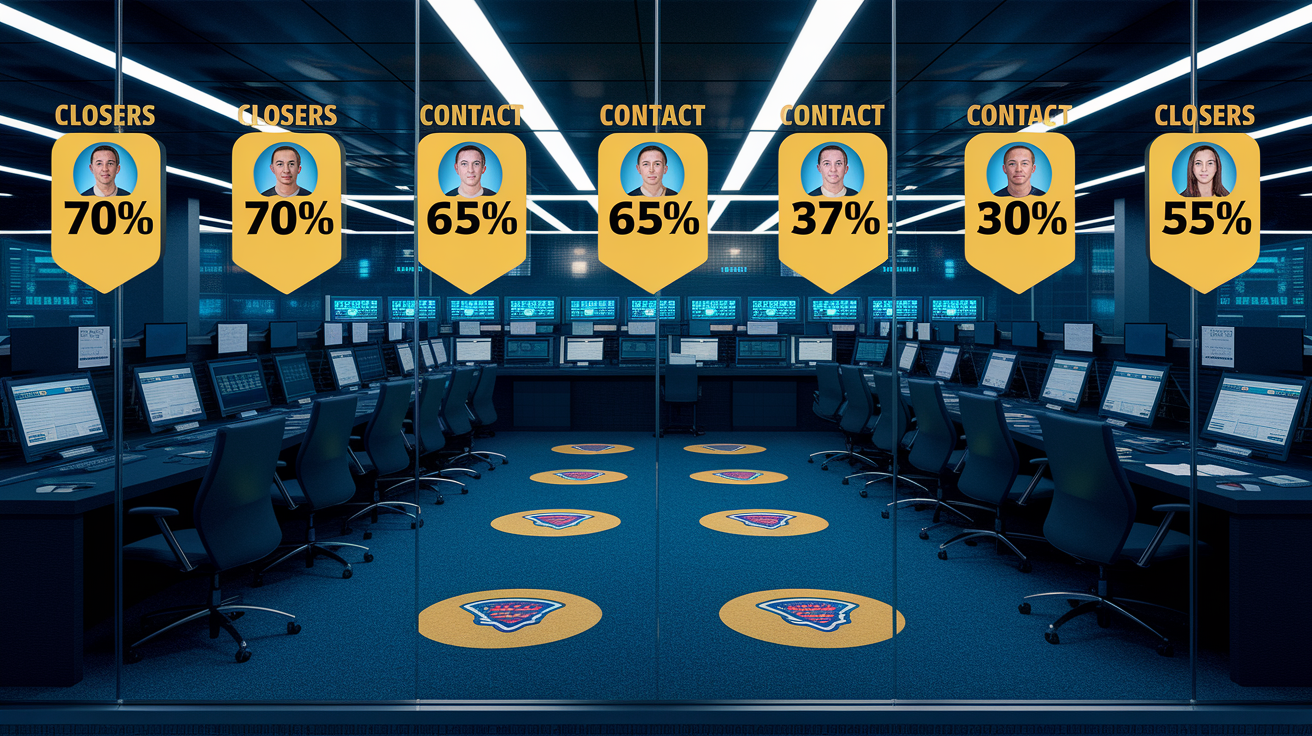
Five closers sit above 50% trade likelihood. That threshold reflects a combination of expiring contracts, organizational turmoil, and teams sliding out of playoff contention. Each carries a distinct profile, contract status, and set of trade complications that explain why front offices are actively shopping or quietly listening on their closer.
These aren’t speculative whispers. Multiple reports confirm that contending teams have already reached out on at least three of these five names. The math for selling clubs is straightforward when you’re holding an expiring deal and sitting outside the postseason picture.
Shelby Miller
Miller signed a 1 year, $1 million contract and was set to become a free agent in 2026. That made him the cleanest rental flip on the board until a forearm injury sent him to the IL. Arizona sits 5.5 games out of the Wild Card with four teams ahead, and the front office already signaled they’re willing to move pieces if the playoff door closes. The injury changes everything. Teams won’t trade meaningful prospects for a reliever with a murky health timeline, and the Diamondbacks can’t showcase him if he’s not throwing. If he returns clean and Arizona keeps losing, he’s back to 70% odds. If the forearm lingers, he’s off the board entirely.
Kyle Finnegan
Finnegan’s 1 year, $6 million deal would normally make him a clean flip, but the complication is the market. No trade interest showed up at last year’s deadline. None appeared in the offseason. The Nationals fired their GM and manager, which typically accelerates a sell off, yet Finnegan still hasn’t drawn reported bids. The 70% odds reflect Washington’s organizational chaos and the certainty that they’ll sell anyone not nailed down. But the actual trade might require the Nationals to lower their ask or eat salary. If a contender loses a closer to injury in the next two weeks, Finnegan becomes the easiest stopgap available.
David Bednar
Bednar’s the rare high probability trade candidate with control beyond 2025. He’s earning $5.9 million on a 1 year deal, with one arbitration year left before hitting free agency in 2027. That extra year of control raises his trade value and his asking price. The Pirates are open to an extension. Bednar’s a Pittsburgh native. The team’s floated long term talks, but nothing has materialized. If he’s still a Pirate on July 31st at 6 PM, it’s because Pittsburgh got an extension done or because contenders balked at the prospect cost. At 65% odds, the bet is that contenders will pay the premium for a closer they can keep through 2026.
Aroldis Chapman
Chapman’s situation is the cleanest proof that organizational fit matters more than standings. Boston sits 1 game back of the Wild Card, yet the Red Sox are openly discussing Jordan Hicks as a closer replacement. That only happens when a team is preparing to move its current closer. Chapman’s 37, earning $10.75 million, and having a career year. That makes him the most coveted rental arm available. The Red Sox front office knows they can flip Chapman for prospects and still stay in the Wild Card race with Hicks closing. If Boston falls to 2 or 3 games back by mid July, Chapman’s gone.
Ryan Helsley
Helsley’s 55% odds rest entirely on the Cardinals’ June collapse. St. Louis went 15 and 18 since June 1st and now sits 1.5 games from the Wild Card. Close enough to buy but sliding fast enough to sell. Helsley’s earning $8.2 million with no extension talks reported, and every indication points to him testing free agency after 2025. The Cardinals have to decide whether a 1.5 game gap justifies holding a rental closer or whether they flip him now and restock the farm. If St. Louis loses five of their next seven, Helsley’s odds jump to 70%. If they win six of eight, he stays put and closes out the season.
Mid-Probability Rumors: Contenders Weighing Whether to Move Their Closers
The 35 to 45% tier represents the messy middle. Closers on teams close enough to the playoffs that selling feels premature but far enough out that holding might waste a trade chip.
These five names appear in rumor cycles not because their teams want to move them, but because contending clubs keep calling to check availability:
Raisel Iglesias (45% odds, Braves): $16 million salary in the final year of his deal, Atlanta 10.5 games out, 35 years old, potential trade and re-sign candidate if a contender believes they can lock him up beyond 2025.
Kenley Jansen (40% odds, Angels): $10 million contract, chasing Lee Smith on the all time saves list with just 16 saves to go, but a career low 24% strikeout rate is raising value questions among teams that need swing and miss late inning arms.
Robert Suárez (40% odds, Padres): $9.2 million salary with a 2 year, $16 million opt in clause he’s likely to decline, 34 years old, considered the 4th or 5th best reliever on San Diego’s roster behind Jason Adam, Jeremiah Estrada, and Adrian Morejon.
Pete Fairbanks (35% odds, Rays): $4 million contract with a $7 million club option for 2026, already at 34.2 innings pitched against a career high 45.1, and Raynaud’s syndrome limits his effectiveness in cold weather games, complicating his fit for October buyers.
Jhoan Duran (35% odds, Twins): $4.125 million salary with two arbitration years until 2028 free agency, 27 years old, Minnesota 4 games out with five teams ahead, any trade would require a top 100 prospect return and the Twins would only move him if they fall completely out.
Raisel Iglesias
Iglesias represents the cleanest trade and extend scenario in this tier. At 35, he’s old enough that Atlanta won’t block a trade for sentimental reasons, but good enough that a contender could flip him at the deadline and immediately negotiate a 1 or 2 year extension. The Braves are 10.5 games out, functionally eliminated, and Iglesias is earning $16 million in a contract year. The complication is finding a match. Teams that need a closer right now might not want to pay the extension premium. Teams willing to extend might prefer younger arms in free agency this winter.
Kenley Jansen
Jansen’s chase for Lee Smith creates an awkward trade dynamic. He needs 16 saves to pass Smith on the all time list. That means he wants to close games, not set them up. It limits his market to teams that need a primary closer and are comfortable with a 36 year old whose strikeout rate has cratered to 24%, his lowest mark in a full season. The Angels are out of contention and Jansen’s earning $10 million, but his age, declining stuff, and personal milestone make him a tough sell unless a contender loses its closer to injury and needs a warm body with name recognition.
Robert Suárez
Suárez has the leverage of an opt out and the trade value of a middle reliever. San Diego views him as the 4th or 5th best arm in the bullpen. That means the Padres would move him for the right return but won’t give him away. He’s earning $9.2 million and can opt into a 2 year, $16 million deal, but he’s 34 and likely opts out to test free agency. A contender trading for Suárez is renting him for two months, not buying long term control. The Padres know it. If San Diego stays in the playoff race, he’s untouchable. If they slide, he’s available, but the return will be modest.
Pete Fairbanks
Fairbanks has already thrown 34.2 innings against a career high 45.1, and the Rays are acutely aware of reliever workload limits. His $4 million contract comes with a $7 million club option for 2026, giving Tampa Bay control but also creating trade leverage if they want to move him now and avoid the decision later. The bigger issue is Raynaud’s syndrome. It limits blood flow to his fingers in cold weather and makes him a risky fit for October baseball in northern cities. A West Coast contender or a dome team could overlook it, but it narrows his market and drops his likelihood below 40%.
Jhoan Duran
Duran’s 27, under control through 2028, and one of the hardest throwers in baseball. The only reason he’s even in trade conversations is that Minnesota’s 4 games out with five teams ahead and may decide to reset rather than chase a Wild Card. Any trade would cost a top 100 prospect, minimum. The Twins would only pull the trigger if they fall to 6 or 7 games back by mid July. At 35% odds, the bet is that Minnesota stays close enough to hold him but doesn’t get hot enough to buy. If the Twins go on a run, his odds drop to zero. If they collapse, he’s the best controlled closer on the market.
Low-Likelihood but Still-Whispered Closers: What’s Fueling the Buzz?

Six closers sit in the 10 to 30% range. Names that appear in rumor roundups because contenders keep asking but trades remain unlikely. The whispers exist because every closer is theoretically available at the right price, but the asking prices here don’t match the market.
Emilio Pagán sits at 30% despite the Reds being 4.5 games from the Wild Card, mostly because Cincinnati has Terry Francona managing and Francona led teams historically buy at the deadline rather than sell. Félix Bautista’s returning from Tommy John surgery and earning just $1 million with two arbitration years left, but the Orioles are 7.5 games out and Bautista’s medicals are still being monitored, making him a hold rather than a trade chip. Emmanuel Clase represents the biggest name in this tier. A 27 year old closer with club options through 2028 and just $8 million owed over the next two years. But Cleveland’s only 5.5 games back and Cade Smith’s ready to step into the ninth if Clase gets moved, keeping his odds at 20%.
Carlos Estévez has a 2 year, $22.2 million deal with a $13 million club option for 2027, and the Royals are 4 games out with four teams ahead. Close enough that Kansas City won’t sell unless they fall apart. Mason Miller’s the Athletics’ best trade chip. A 26 year old under control through 2030 and earning just $765,000. But Oakland traded Lucas Erceg last year despite the same 2030 control, proving they’ll move anyone if the return is right. Camilo Doval sits at 10% because the Giants are currently in a playoff spot, but if San Francisco falls out, Doval’s $4.53 million salary and two remaining arbitration years make him movable, with Randy Rodríguez, Tyler Rogers, and Ryan Walker ready to step in.
| Name | Contract Status | Trade Probability |
|---|---|---|
| Emilio Pagán | 1 year, $8M, FA 2026 | 30% |
| Félix Bautista | $1M, 2 arb years, FA 2028 | 25% |
| Emmanuel Clase | 2 years, $8M + options to 2028 | 20% |
| Carlos Estévez | 2 years, $22.2M + option 2027 | 20% |
| Mason Miller | $765K, 4 arb years, FA 2030 | 15% |
| Camilo Doval | $4.53M, 2 arb years, FA 2028 | 10% |
Free Agency Whispers: Closer Targets Expected to Hit the Market Soon
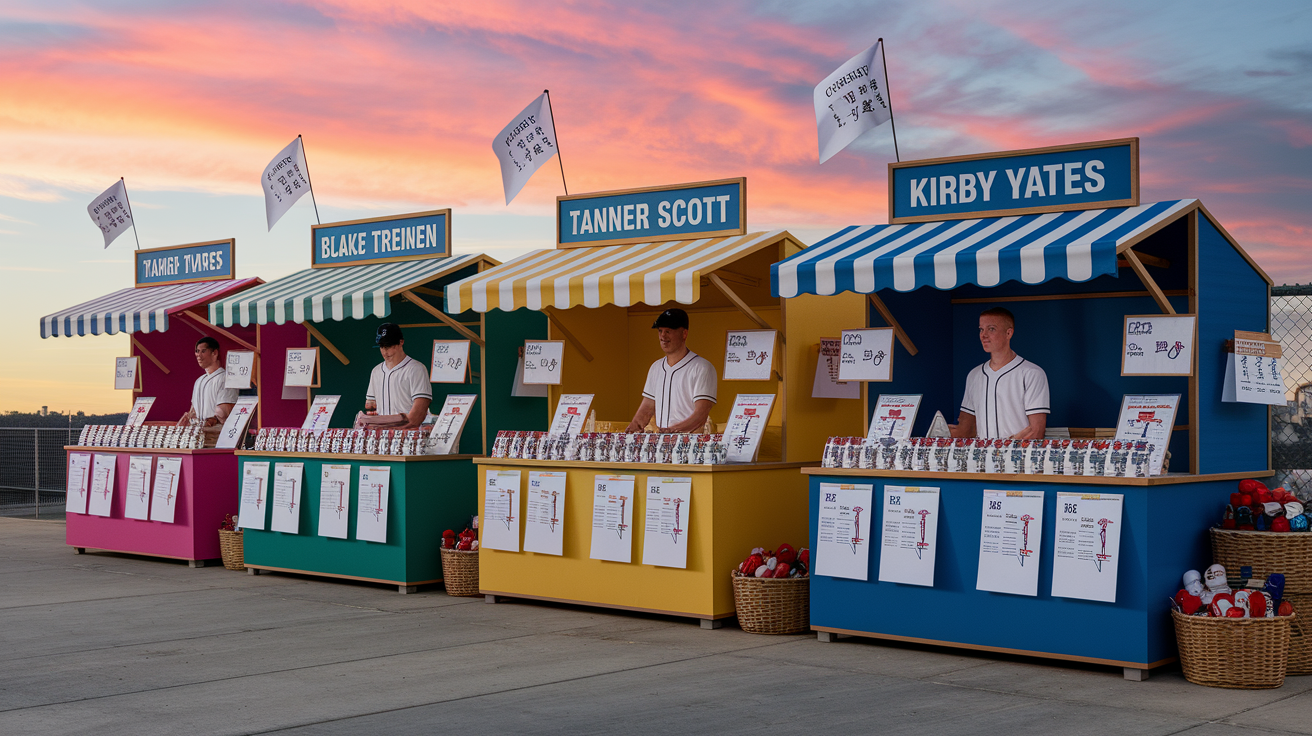
Three closers are drawing early free agent whispers as teams prepare for the post deadline market. Blake Treinen, Tanner Scott, and Kirby Yates represent the top tier of available late inning arms once the offseason opens. Contenders are already modeling payroll scenarios to see if they can afford a multi year closer rather than trading prospects at the deadline.
Blake Treinen
Treinen posted a 1.93 ERA in 2024 with just one regular season save, but Dave Roberts used him as the closer in the postseason. That October usage is what contending teams will pay for. He’s 36, owns a 2.78 ERA over the past 10 years, and last closed full time in 2019 when he saved 38 games with a 0.78 ERA in Oakland. The whisper around Treinen is that he wants one more closing job before he retires. A team that strikes out in the trade market could offer him a 1 year deal with a high leverage role and the ninth inning when he’s sharp. The contract will be short, but the money will be real if a playoff team needs late inning insurance and doesn’t want to part with prospects.
Tanner Scott
Scott posted a 1.75 ERA across 72 innings in 2024, struck out batters at a 10.5 K/9 rate, and saved 22 games between Miami and San Diego. He threw 4.1 scoreless postseason innings with 7 strikeouts, proving he can handle October pressure. Miami traded him to the Padres at the deadline, where he worked setup behind Robert Suárez. But Scott’s track record says he’s a closer, not a setup man. The free agent market will treat him like one. Two consecutive years of elite production put him in line for a multi year deal, probably in the 2 to 3 year range with an average annual value around $10 to $12 million, depending on how many teams lose out on the top trade targets and pivot to free agency.
Kirby Yates
Yates posted a 1.17 ERA across 61.2 innings in 2024, struck out 85 batters, and saved 33 games. His most since 2019 when he recorded 44 saves. He’s entering his age 38 season, coming off a 3.28 ERA in 2023 that looked like a decline year, and carries a history of injuries that will limit contract length no matter how good the 2024 numbers look. The whisper is that Yates will command the highest annual salary of the three but on the shortest deal. A 1 year prove it contract in the $8 to $10 million range with performance incentives and a vesting option for 2027 if he hits games finished or save thresholds. Teams that need a closer right now and don’t want to wait for the trade deadline will circle Yates as the safest short term bet.
Non-Closers Gaining Closer-Level Trade Rumors
Ten high leverage relievers who don’t currently close games are appearing in the same rumor cycles as the names above. Either because they have closing experience, convertible stuff, or roles as the best available arm on a selling team’s roster.
Dennis Santana, Phil Maton, and Chris Martin represent veteran setup men with closing upside if a contending team wants to build bullpen depth rather than pay the premium for a true closer. Seranthony Domínguez and Gregory Soto have both closed games in the past and could step back into the role for a team that loses its primary closer mid season. Scott Barlow saved 24 games in 2022 and still has the profile to close if needed, making him a fallback option for teams that strike out on the top tier names.
Jake Bird, JoJo Romero, Danny Coulombe, and Paul Sewald round out the list as controllable relievers under arbitration or team friendly deals who can work the seventh and eighth innings and give a contender flexibility if their closer falters. These names won’t headline a trade announcement, but they’ll be the second or third arm included in a package, or the backup plan if the primary target gets injured before the deadline.
Dennis Santana, Phil Maton, Chris Martin: veteran setup depth with closing upside, low cost options for teams that want bullpen insurance without paying for a marquee name.
Seranthony Domínguez, Gregory Soto: former closers who can reclaim the role if a contender’s ninth inning arm gets hurt or falters in August and September.
Scott Barlow: 24 saves in 2022 still on his résumé, making him a credible fallback closer for a team that misses on the top tier.
Jake Bird, JoJo Romero, Danny Coulombe, Paul Sewald: controllable arms under team friendly deals who add bullpen flexibility and could close in an emergency, often included as secondary pieces in larger packages.
Breakout relievers with swing and miss stuff: teams hunting strikeout arms for October will target these names even without closing experience, betting they can convert them to high leverage roles.
Arbitration eligible relievers: players with 1 to 3 years of control left offer the best value for contenders that want bullpen help beyond a two month rental.
How Market Dynamics Shape Closer Rumors and Free Agency Buzz
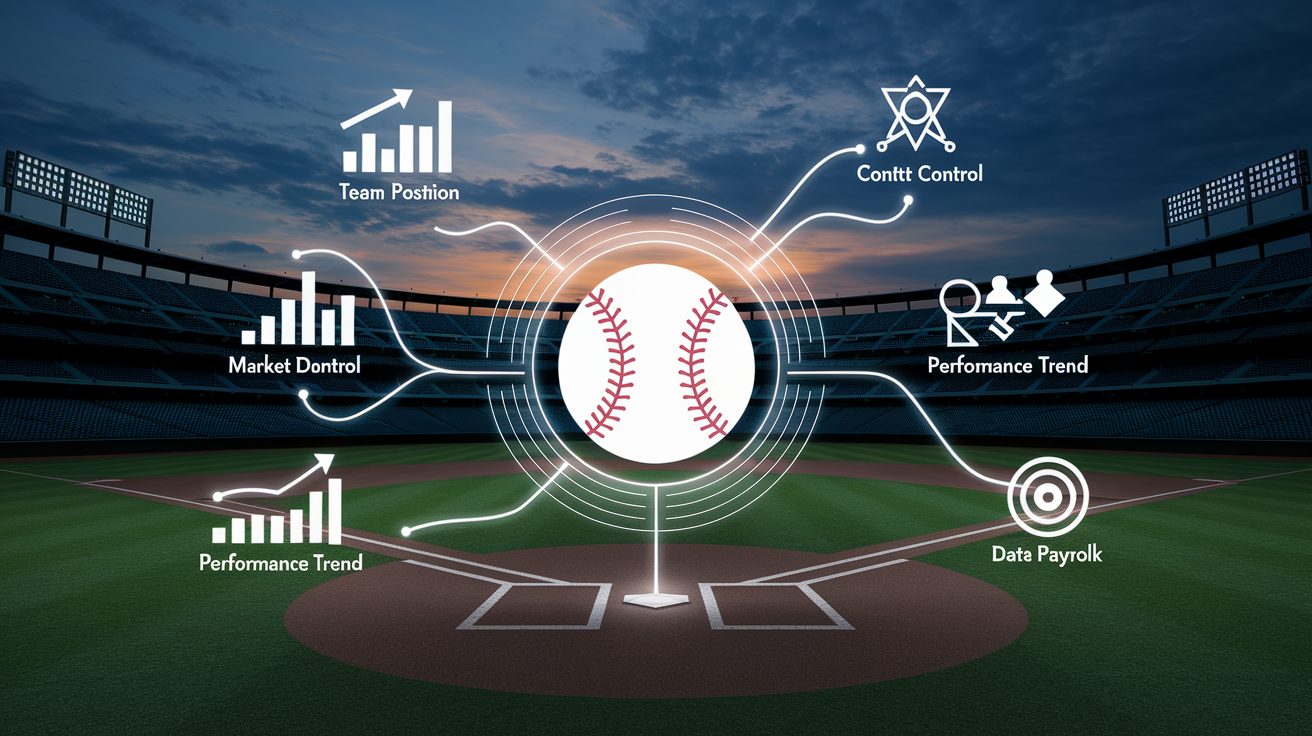
Trade costs for proven closers typically range from 1 to 3 top 100 prospects, with the exact return determined by contract control, recent performance, and the buyer’s desperation level. A rental closer on an expiring deal commands less than a closer with multiple arbitration years. A closer throwing a sub 2.00 ERA commands more than one struggling through a 3.50 ERA even if the underlying peripherals look identical. Teams buying at the deadline are also modeling salary retention, with sellers often eating 25 to 40% of a closer’s remaining salary to lower the prospect cost and make the trade easier to justify.
Performance volatility is the single biggest driver of rumor intensity. A closer who blows three saves in a week sees his trade value crater, while a closer who converts eight straight opportunities in June can turn a 30% trade probability into a 60% probability overnight. Front offices watch not just ERA and saves, but hard contact rates, walk trends, and velocity changes. Relievers break suddenly and teams don’t want to trade for a closer who’s about to fall apart. Playoff probability affects willingness to buy or sell more than any other variable. A team 2 games out will hold every asset. A team 6 games out will sell everything. The teams at 3.5 or 4 games back are the ones generating the most rumors, because they’re the ones most likely to pivot from buyer to seller or vice versa in a single weekend.
Payroll flexibility determines which teams can even enter the bidding. A closer earning $10 million in the second half might cost a contender $5 million after prorating and salary retention, but that $5 million still has to fit under the luxury tax threshold or the team’s internal budget. Front offices often kill trades in the final hour because the money doesn’t work. Contract control beyond 2025 fundamentally changes the negotiation. A closer under team control through 2027 or 2028 isn’t a rental, he’s a long term asset, and the prospect cost reflects that difference.
| Market Driver | Impact on Trade Likelihood |
|---|---|
| Team Position (games back) | Buyers within 3 games hold assets; sellers 6+ games out move everyone; 3.5 to 5 games = highest rumor activity |
| Contract Control (years remaining) | Rentals cost 1 to 2 mid tier prospects; 2+ years of control cost 2 to 3 top 100 prospects; 4+ years require elite prospect packages |
| Performance Trend (last 30 days) | Hot closer sees trade odds rise 15 to 20%; struggling closer sees odds drop 20 to 30%; volatility creates fast moving rumor windows |
| Payroll Flexibility (luxury tax, budget) | High salary closers require retention to expand buyer pool; teams near tax threshold often exit negotiations late; budget teams target arbitration eligible arms |
Final Words
Games are moving fast: we focused on the most likely closer moves — Kyle Finnegan, David Bednar and Ryan Helsley — plus the mid- and low-probability names, free-agent buzz, non-closer targets and how market forces matter.
Quick take: Finnegan and Bednar lead the chatter, Helsley’s real, Chapman and Shelby Miller show fresh shifts, and control/salary will shape deals.
Which closers are being linked to trade rumors and free agency whispers? Mainly Finnegan, Bednar and Helsley, with Chapman and Miller also in the mix — good options for teams hunting late-inning help.
FAQ
Q: Which MLB players are rumored to be traded and who’s on the MLB trade block?
A: The MLB players rumored to be traded and on the block include closers Kyle Finnegan (≈70% likelihood), David Bednar (≈65%), Ryan Helsley (≈55%), plus Aroldis Chapman and Shelby Miller.
Q: Who are the best unsigned free agents in the MLB?
A: The best unsigned free agents right now include closers Blake Treinen (2024 ERA 1.93), Tanner Scott (2024 ERA 1.75, strong strikeout rate), and veteran Kirby Yates (2024 ERA 1.17).
Q: What did the Blue Jays predict for the blockbuster trade?
A: The Blue Jays reportedly predicted the blockbuster trade would center on late‑inning help — a proven closer or high‑leverage reliever to strengthen bullpen depth for a playoff push.