
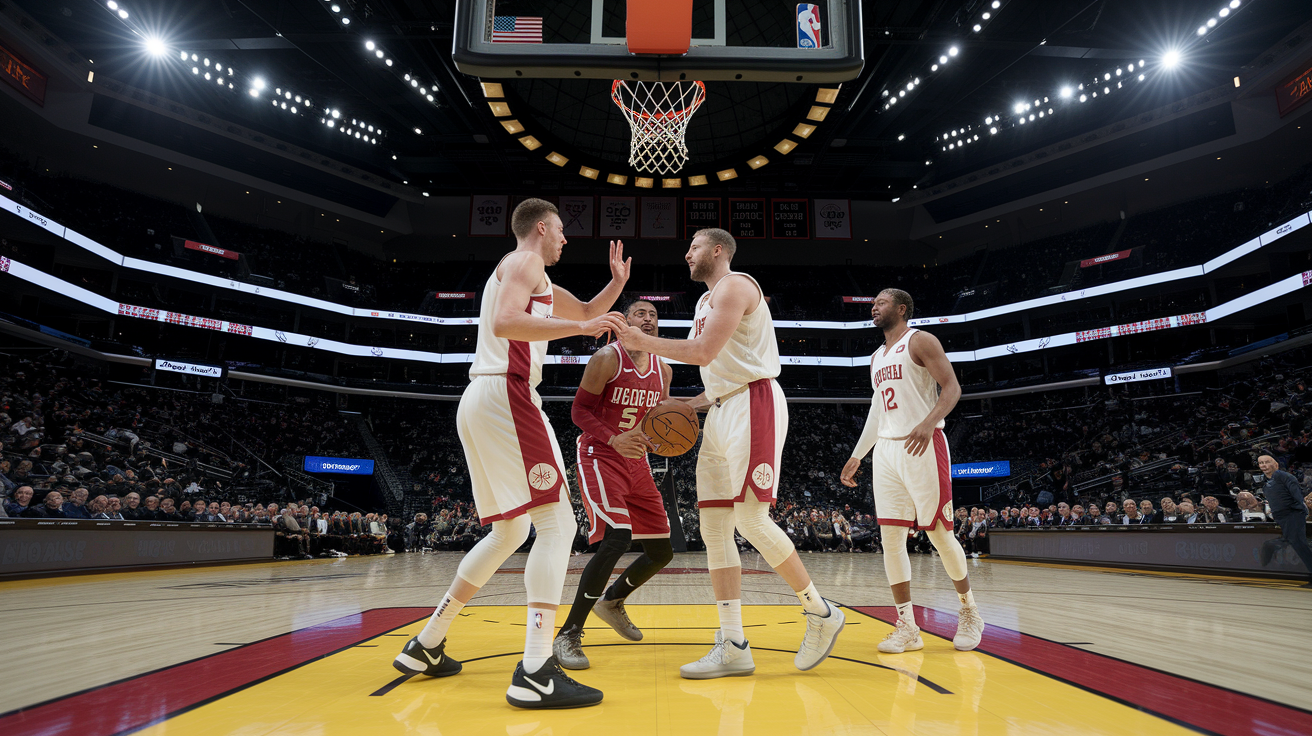

Which comment turned a game into a grudge match?
Trash talk has sparked some of the NBA’s fiercest rivalries, and a single jab often did more damage than a bad loss.
From Larry Bird’s cold confidence to Kevin Garnett’s personal barbs and Draymond Green’s heated outbursts, those moments made matchups personal and sometimes changed series results.
This piece breaks down the key trash-talk incidents that escalated rivalries, why they mattered, and what came next.
We’ll point out the games that led to shoves, suspensions, and long-lasting hate, and what it taught teams about keeping the peace.
Early High‑Profile Trash‑Talk Flashpoints
Larry Bird built his legend as much with his mouth as with his shooting touch. Before the three-point revolution became mainstream, Bird would tell defenders exactly where he planned to score, then deliver. During the 1986 NBA Finals against the Houston Rockets, Bird reportedly walked past the Rockets bench and asked, “Which one of you is guarding me tonight?” before dropping 29 points in Game 6. His verbal jabs weren’t just bravado. They were calculated tactics designed to unsettle opponents and assert dominance before the ball even left his hands.
Michael Jordan took trash talk to an even sharper edge. He studied opponents’ weaknesses and exploited them verbally during games, turning personal insults into competitive fuel. Jordan didn’t wait for reporters to ask about rivalries. He created them on the floor through relentless verbal attacks that forced defenders to either respond physically or mentally collapse. When he told Muggsy Bogues, “Shoot it, you f—ing midget,” during a 1995 playoff game, Bogues later admitted the comment affected his confidence for years.
These early flashpoints established a blueprint for how trash talk could escalate beyond gamesmanship into genuine animosity. Bird’s Celtics and Jordan’s Bulls didn’t just win championships. They psychologically dominated opponents through a combination of elite play and brutal verbal warfare. The personal nature of their insults transformed ordinary matchups into vendetta games, where every possession carried the weight of wounded pride and the desire for retribution. What started as competitive banter in the 1980s became a core element of how NBA rivalries formed and intensified.
Michael Jordan vs. Reggie Miller: Verbal Sparks That Ignited Hostility
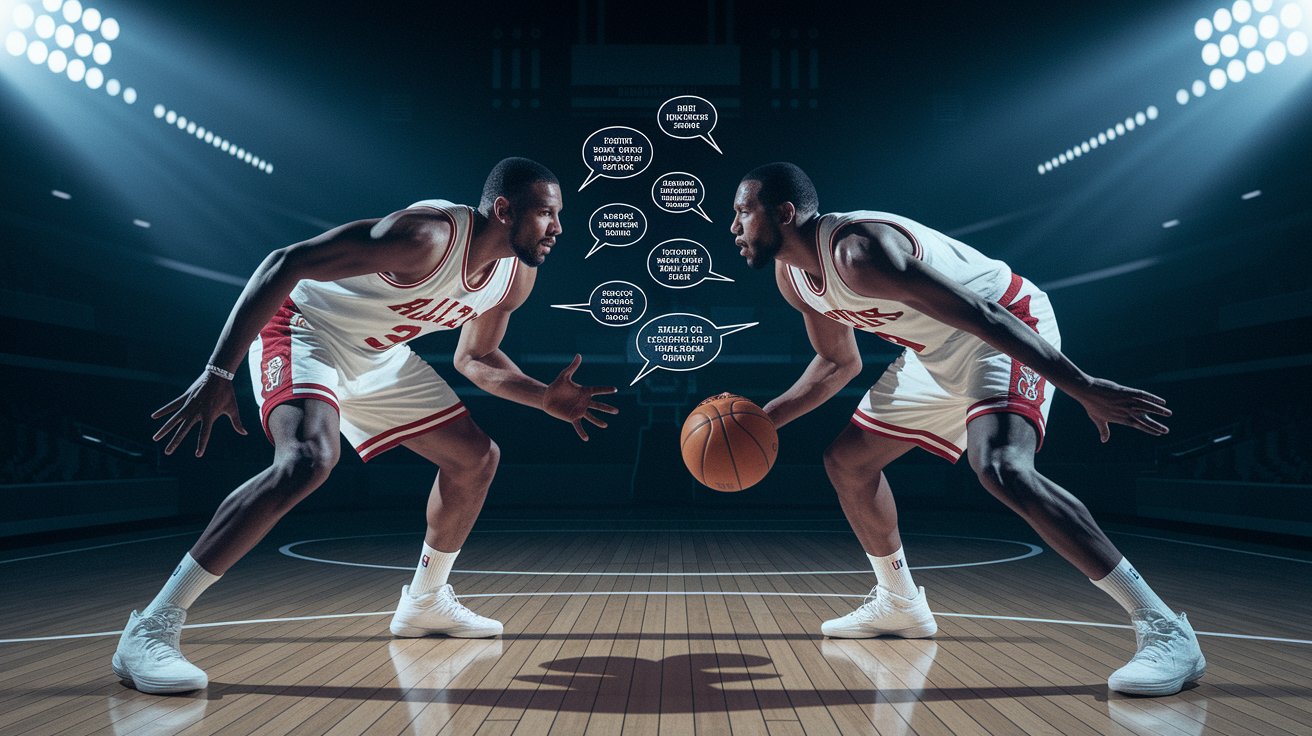
The Bulls vs. Pacers rivalry exploded into one of the NBA’s most bitter feuds largely because Jordan and Miller refused to stop talking. During a 1993 playoff game, Miller scored 25 points in the fourth quarter and celebrated by making a throat slash gesture at Jordan, escalating a series of verbal exchanges that had been building throughout the season. Jordan responded by targeting Miller in every subsequent matchup, turning their encounters into personal wars that extended far beyond basketball strategy.
Miller didn’t back down. He once told Jordan during a game, “I’m the best shooter in the league,” prompting Jordan to guard him personally and limit him to single digit scoring in the next quarter. The verbal battles became so intense that teammates on both sides anticipated physical altercations every time the two teams met. Their feud reached a peak during the 1998 Eastern Conference Finals when Jordan shoved Miller during a dead ball, drawing a technical foul but sending a clear message that the rivalry had crossed into genuine hostility.
Key Rivalry Escalating Moments
1993 Eastern Conference Finals: Miller’s 25 point fourth quarter followed by throat slash gesture directly at Jordan’s bench.
1995 Regular Season: Jordan told Miller, “You’re not on my level,” after blocking his shot, leading to a shoving match that cleared both benches.
1998 Playoff Game 4: Miller scored and immediately ran past Jordan yelling, “That’s what I do,” prompting Jordan to demand the ball and score on five straight possessions.
Post retirement comments: Miller later admitted Jordan’s trash talk “lived rent free in my head for years,” confirming the psychological damage extended beyond their playing days.
Larry Bird’s Most Infamous Verbal Ambushes
Bird transformed the art of calling his shot into a weapon that demoralized entire rosters. During the 1988 Three Point Contest at All Star Weekend, Bird walked into the locker room before the competition and asked the other participants, “Who’s coming in second?” He then won the contest for the third consecutive year. His ability to predict success and then execute made opponents question whether they ever had a real chance.
The most devastating Bird trash talk often came mid game against individual defenders. Xavier McDaniel, a physical forward known for his own intimidation tactics, guarded Bird during a crucial 1987 matchup. Bird calmly told McDaniel exactly where he would take the final shot, describing the spot on the floor and the move he would use. When the play unfolded precisely as Bird predicted, a right wing jumper over McDaniel’s outstretched hand for the game winner, McDaniel later said it “messed with my head for the rest of the season.”
Bird’s verbal dominance intensified Celtics rivalries because he made opponents feel powerless. Clyde Drexler once recalled Bird telling him during a playoff game, “You can’t guard me, and your team knows it.” The comment wasn’t screamed or aggressive. Bird delivered it matter of factly while jogging back on defense, which somehow made it worse. Drexler’s Trail Blazers lost that series, and the memory of Bird’s calm certainty stayed with Portland players for years, fueling a resentment that carried into future meetings and defined the Celtics vs. Blazers dynamic throughout the late 1980s.
Kevin Garnett’s Cross‑the‑Line Insults and Their Fallout

Kevin Garnett built a reputation for trash talk that went beyond competitive banter into deeply personal territory. During a 2013 playoff series between the Knicks and Celtics, Garnett allegedly told Carmelo Anthony that his wife “tastes like Honey Nut Cheerios,” referring to Anthony’s then wife La La. The comment crossed every unwritten boundary in NBA trash talk, transforming what had been a standard playoff matchup into a personal vendetta that required security intervention when Anthony tried to confront Garnett after the game.
The fallout from Garnett’s insult extended far beyond that single series. Anthony waited for Garnett outside the Celtics’ team bus, forcing security and coaches to intervene before a physical altercation occurred. The incident became national news, with analysts debating whether Garnett’s style of trash talk had finally gone too far. The rivalry between the two players never cooled. Years later, Anthony still referenced the incident in interviews, and the two avoided each other in retirement, showing how verbal warfare can create lasting personal animosity that outlives on court competition.
Aftermath of the Garnett vs. Anthony Incident
League officials privately warned teams about players attempting to engage opponents in non public areas, citing the bus confrontation as a security concern.
Anthony received backlash for his reaction but maintained Garnett “brought families into it,” which violated an unspoken player code.
Knicks vs. Celtics matchups for the next two seasons drew increased media attention and security presence due to expected retaliation attempts.
Kobe Bryant vs. Dwight Howard: Insults That Intensified Their Clash
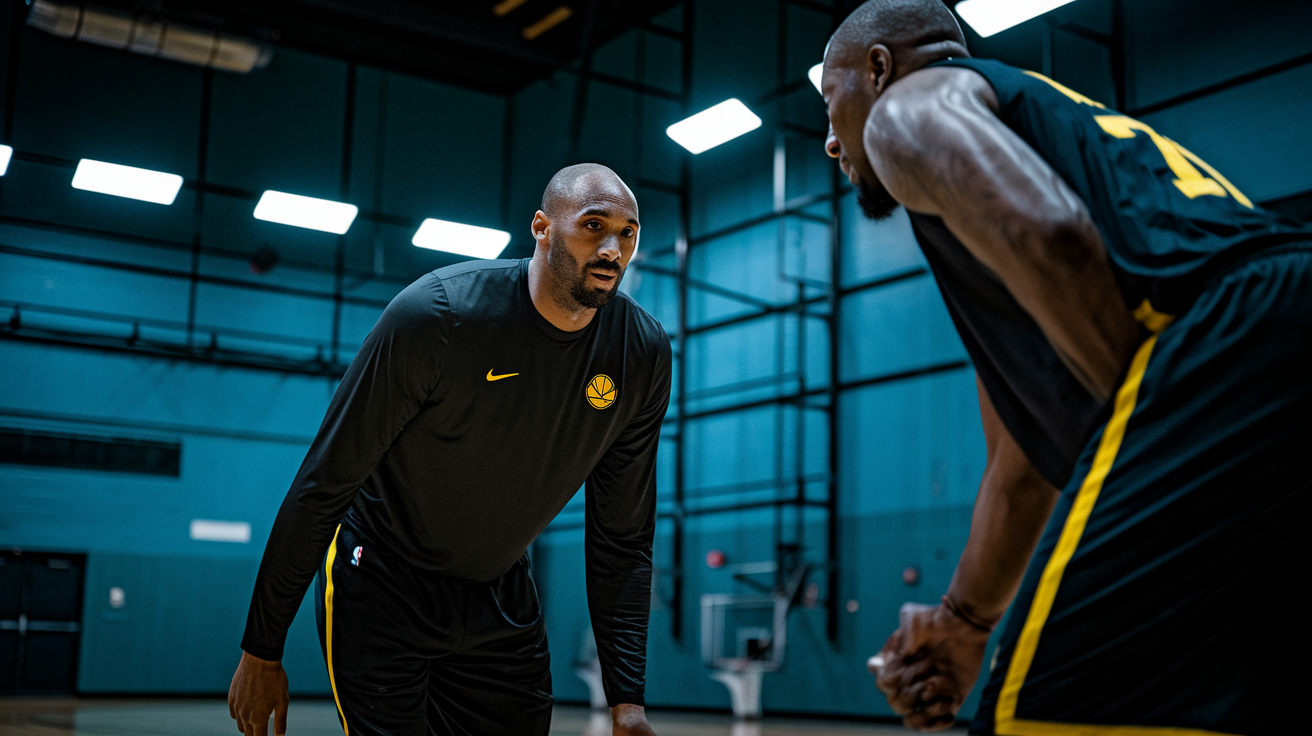
The Lakers’ 2012 to 2013 season collapsed under the weight of internal tension, much of it stemming from Kobe Bryant’s open contempt for Dwight Howard’s work ethic and mentality. During one practice, Bryant reportedly called Howard “soft” directly to his face in front of teammates, a brutal assessment that confirmed the rumors of their fractured relationship. Howard’s defensive posture immediately changed. He became visibly frustrated in games, his effort fluctuated, and the chemistry the Lakers desperately needed never materialized.
Bryant’s trash talk toward Howard wasn’t limited to private settings. During a nationally televised game against the Clippers, cameras caught Bryant glaring at Howard after a defensive breakdown and mouthing what appeared to be profanity laced criticism. Howard responded by demanding fewer post touches and eventually requesting a trade after just one season, citing an unworkable dynamic with Bryant. The verbal attacks didn’t just damage one season. They created a lasting rift that both players referenced for years, with Howard later admitting Bryant’s constant verbal jabs “made me not want to be there” and Bryant dismissing Howard as someone who “didn’t have the killer mentality required to win.”
Draymond Green’s Verbal Warfare and Modern Rivalries
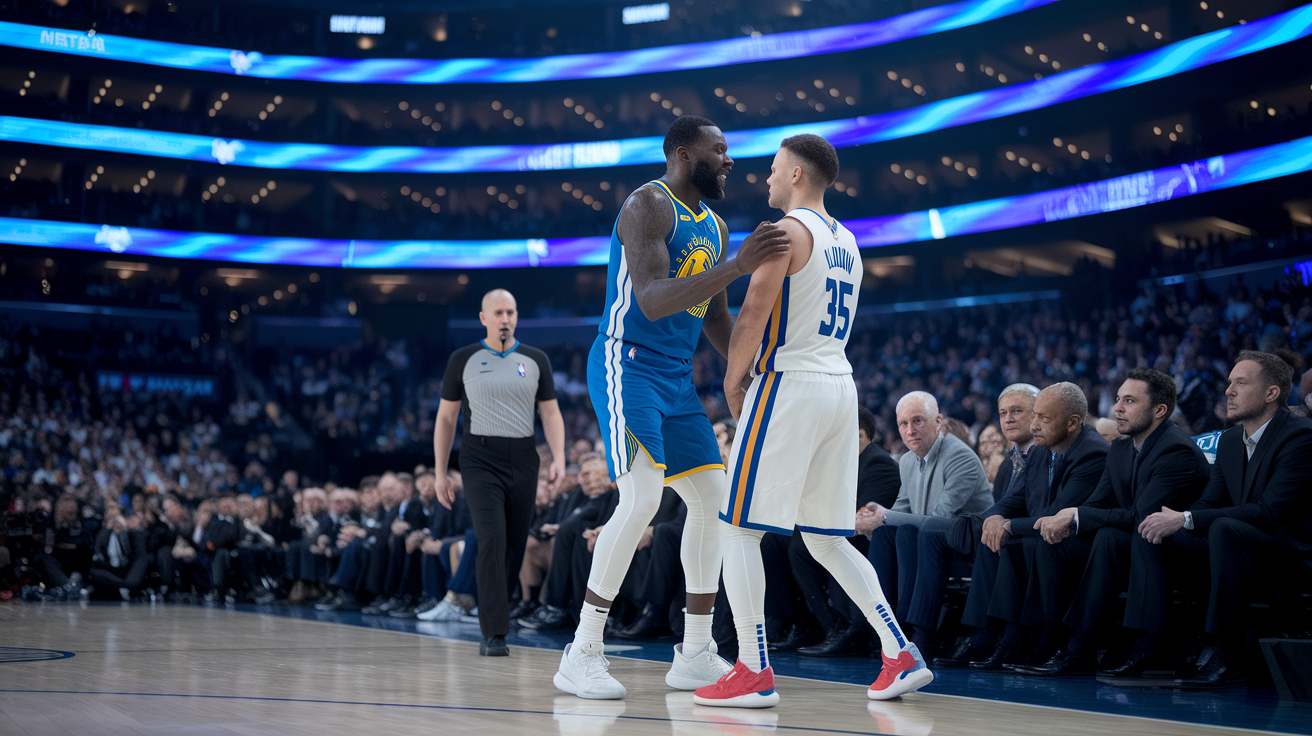
Draymond Green turned trash talk into a core component of the Warriors’ championship identity, and nowhere was that more evident than during the 2016 NBA Finals against Cleveland. After Game 3, Green and LeBron James had a verbal exchange that escalated into Green being assessed a flagrant foul following a review. Green later downplayed the incident, but reports suggested he told James, “You’re a b—-,” which contributed to mounting tensions that culminated in Green’s one game suspension for accumulating too many flagrant points.
Green’s suspension for Game 5 shifted the entire series. The Cavaliers won that game and carried momentum through Games 6 and 7 to capture Cleveland’s first NBA championship. The Warriors blamed Green’s verbal aggressiveness for costing them a title, while Green maintained he was simply competing the way he always had. The incident redefined the Warriors vs. Cavaliers rivalry, transforming it from a competitive Finals matchup into a bitter grudge series that extended through multiple championship meetings.
Beyond LeBron, Green targeted nearly every opponent he faced. He told Russell Westbrook during a 2018 game, “You’re not that guy anymore,” after a turnover, sparking a prolonged verbal battle that required referee intervention. Green’s approach to trash talk wasn’t strategic subtlety. It was loud, public, and designed to provoke immediate emotional reactions. His willingness to absorb technical fouls and suspensions in pursuit of psychological advantages made him one of the most polarizing figures in modern basketball, and his verbal warfare directly escalated rivalries with the Cavaliers, Thunder, Rockets, and Clippers throughout the Warriors’ championship runs.
How Trash‑Talk Continues to Shape NBA Competition
Trash talk remains embedded in NBA culture because it works. Players use verbal attacks to gain psychological edges, disrupt opponents’ focus, and assert dominance in ways that don’t show up in box scores. The league has tried to limit egregious personal insults through fines and suspensions, but the practice persists because competitive athletes instinctively search for any advantage. Modern players like Draymond Green, Patrick Beverley, and Jimmy Butler carry forward the tradition established by Bird, Jordan, and Garnett, ensuring that verbal warfare continues to define how rivalries form and intensify.
The media amplifies every trash talk incident, turning brief exchanges into multi day storylines that fuel public interest and create narratives around upcoming matchups. Social media allows fans to dissect and debate every comment, replay every insult, and build anticipation for the next encounter between feuding players. This cycle ensures that trash talk incidents don’t fade. They become permanent fixtures in rivalry histories that players reference years later and fans use to rank the all time great feuds.
League Wide Effects of Trash Talk Culture
Increased playoff ratings and ticket sales for rivalry matchups that feature documented trash talk history between star players.
Higher technical foul and ejection rates during games between teams with established verbal feuds, requiring additional referee attention.
Lasting player legacies shaped partly by trash talk prowess, with figures like Bird and Jordan celebrated for verbal dominance alongside championship success.
Final Words
In the heat of playoff battles and mid-game exchanges, words often became weapons — think Bird, Jordan, Garnett, Kobe and Draymond. This piece ran through early flashpoints, the Jordan‑Miller sparks, Bird’s cold-blooded lines, Garnett’s personal digs, Kobe‑Howard tensions and Draymond’s Finals volleys.
Those Player trash-talk incidents that escalated NBA rivalries didn’t just rile opponents — they changed prep, fueled media storylines, and gave fans must-see moments. It’s messy sometimes, but it’s part of what keeps the games electric and worth watching.
FAQ
Q: Why is 69 not allowed in the NBA?
A: The number 69 isn’t officially banned in the NBA, but it’s effectively avoided because teams and the league steer clear of sexually suggestive or offensive numbers, so no player wears it in practice.
Q: What is the greatest player rivalry in NBA history?
A: The greatest player rivalry is widely considered Magic Johnson vs. Larry Bird, whose 1980s battles reshaped the league, drew huge TV audiences, and defined Lakers-Celtics competition for a decade.
Q: Which NBA player has autism?
A: No high-profile NBA player has publicly confirmed an autism diagnosis; autism status is usually private, and while athletes discuss learning differences, confirmed cases in the league are rare or unreported.
Q: What was the infamous NBA brawl between players and fans?
A: The infamous brawl was the “Malice at the Palace” on November 19, 2004 — Pacers vs. Pistons — which spilled into the stands and led to long suspensions and tighter security.